Travel & outdoors
Hiking and camping with your dog: a Canadian summer trail guide and packing list
How far your dog can hike, what to pack, what to do about wildlife, and the checks to do when you get home.
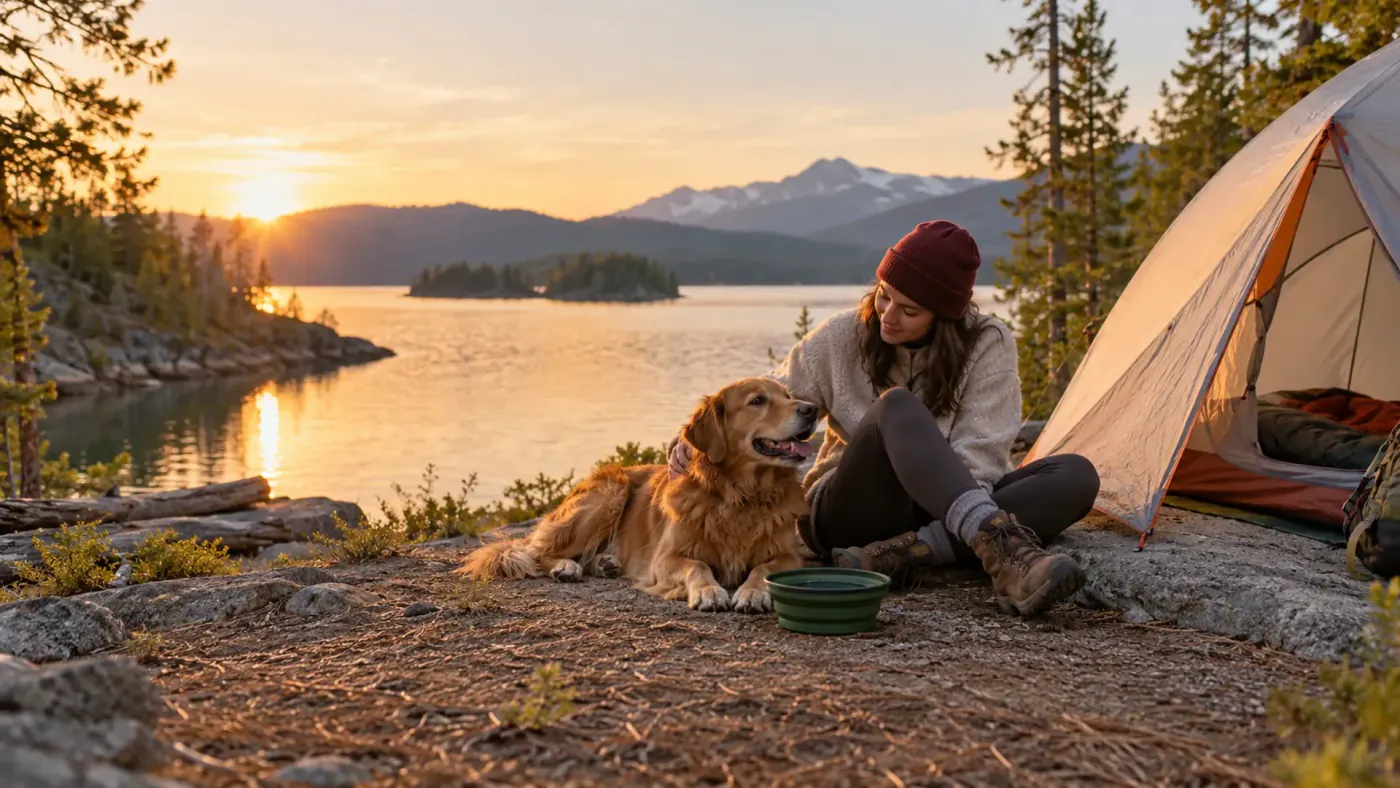
AI-generated illustration. Product photos on our product pages are real photos of what ships.
The short answer
- Build up distance gradually. A dog who does 45-minute walks isn't ready for a 20 km hike.
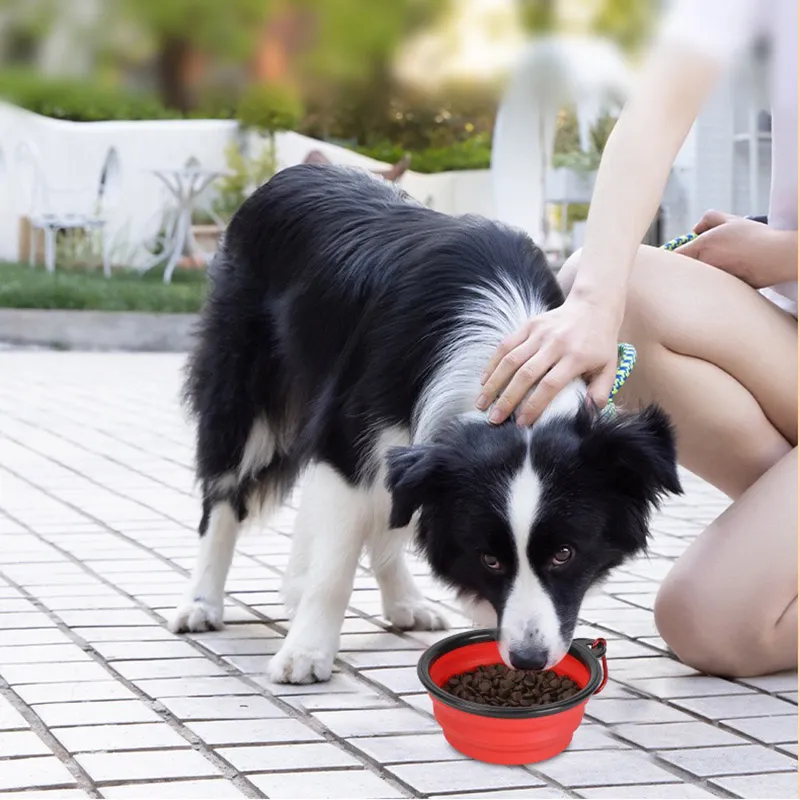
- Carry about 50 ml of water per kg of dog for a half-day hike, and offer it every 20 to 30 minutes.
- Keep dogs on leash on the trail: it's the rule in national parks, and it protects them from wildlife.
- At home, check for ticks, cuts on pads, burrs and grass seeds, especially between the toes and in the ears.
On this page (7 sections)
Build up to it
The packing list
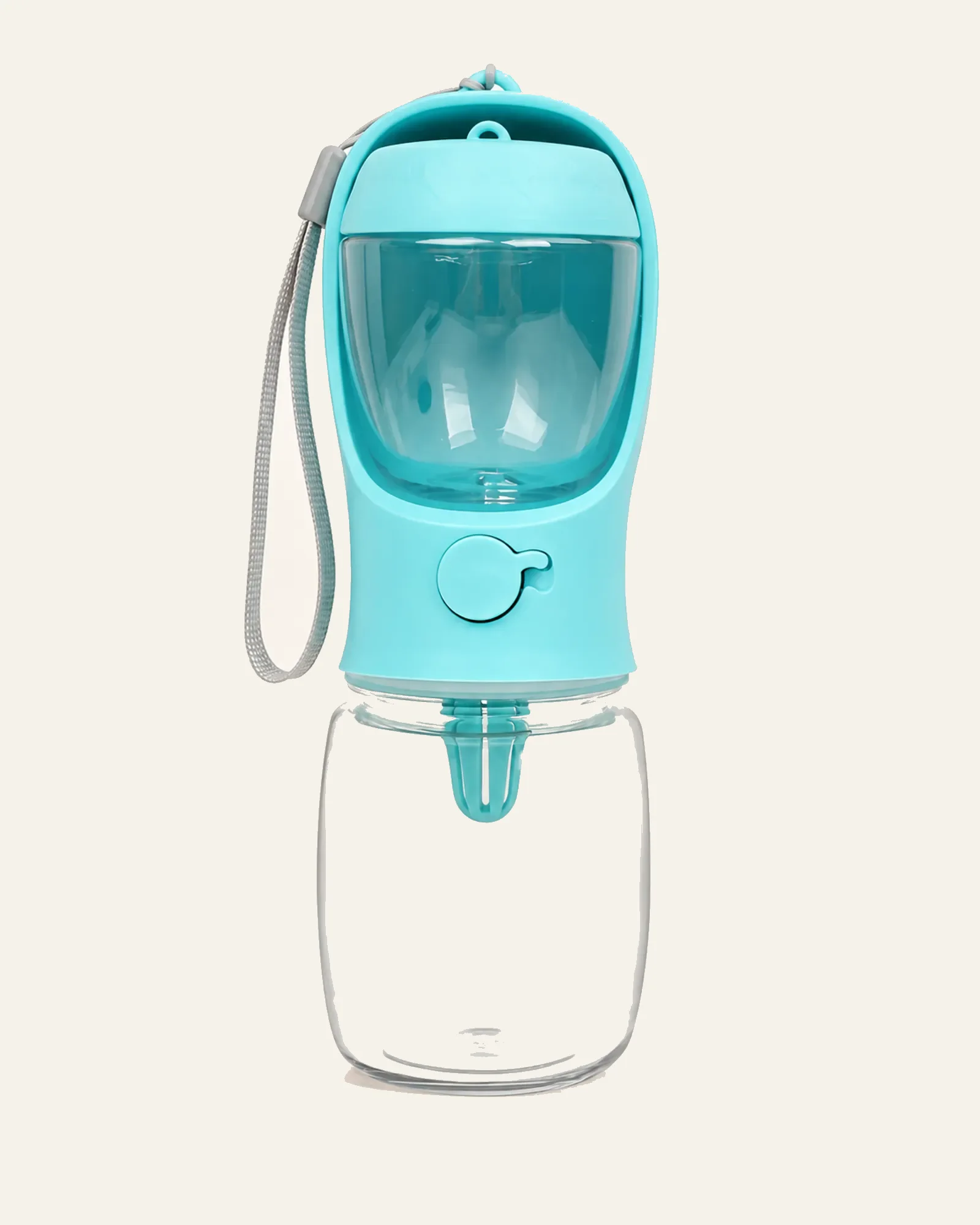
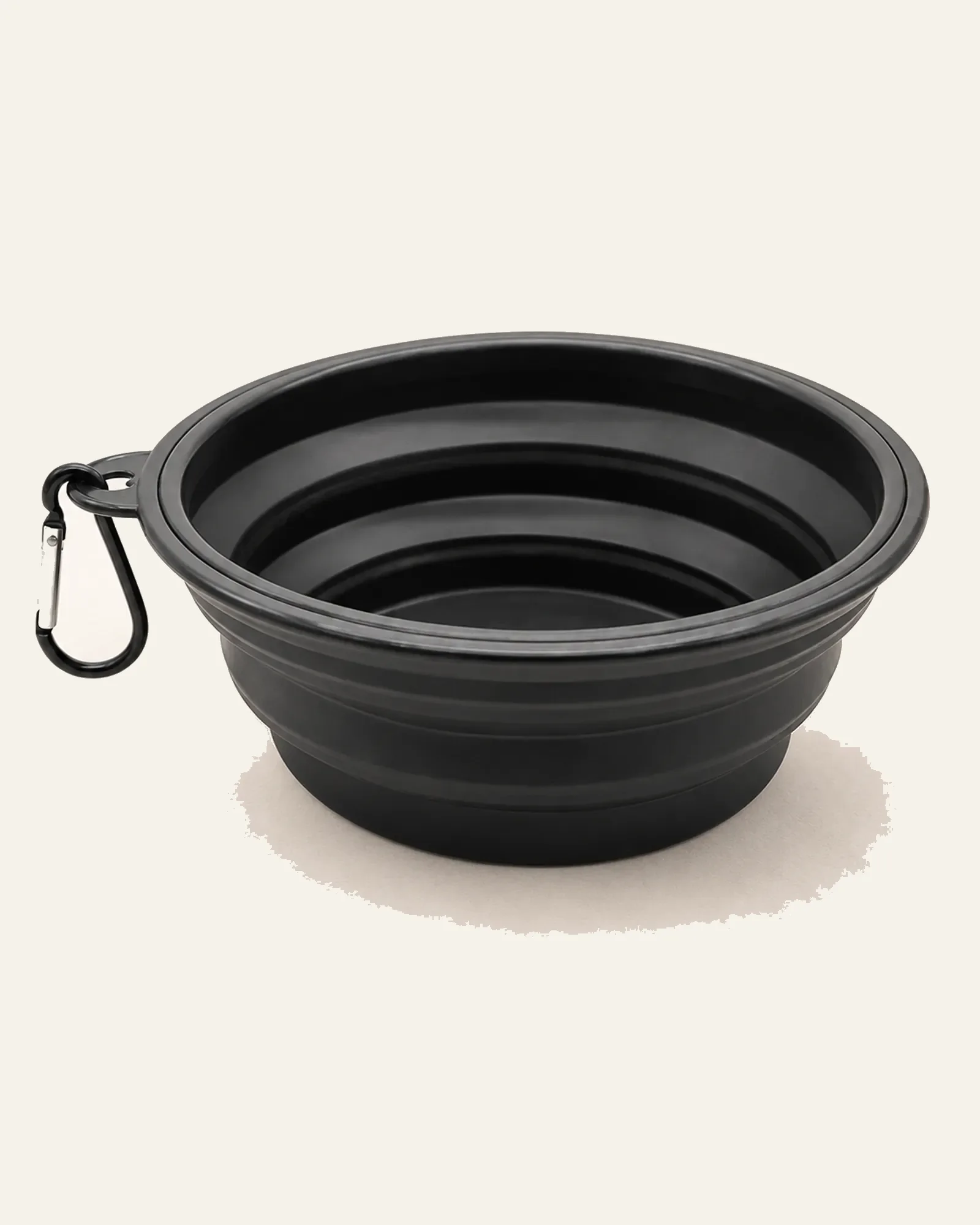
- Water: about 50 ml per kg of dog for a half-day, plus a bowl
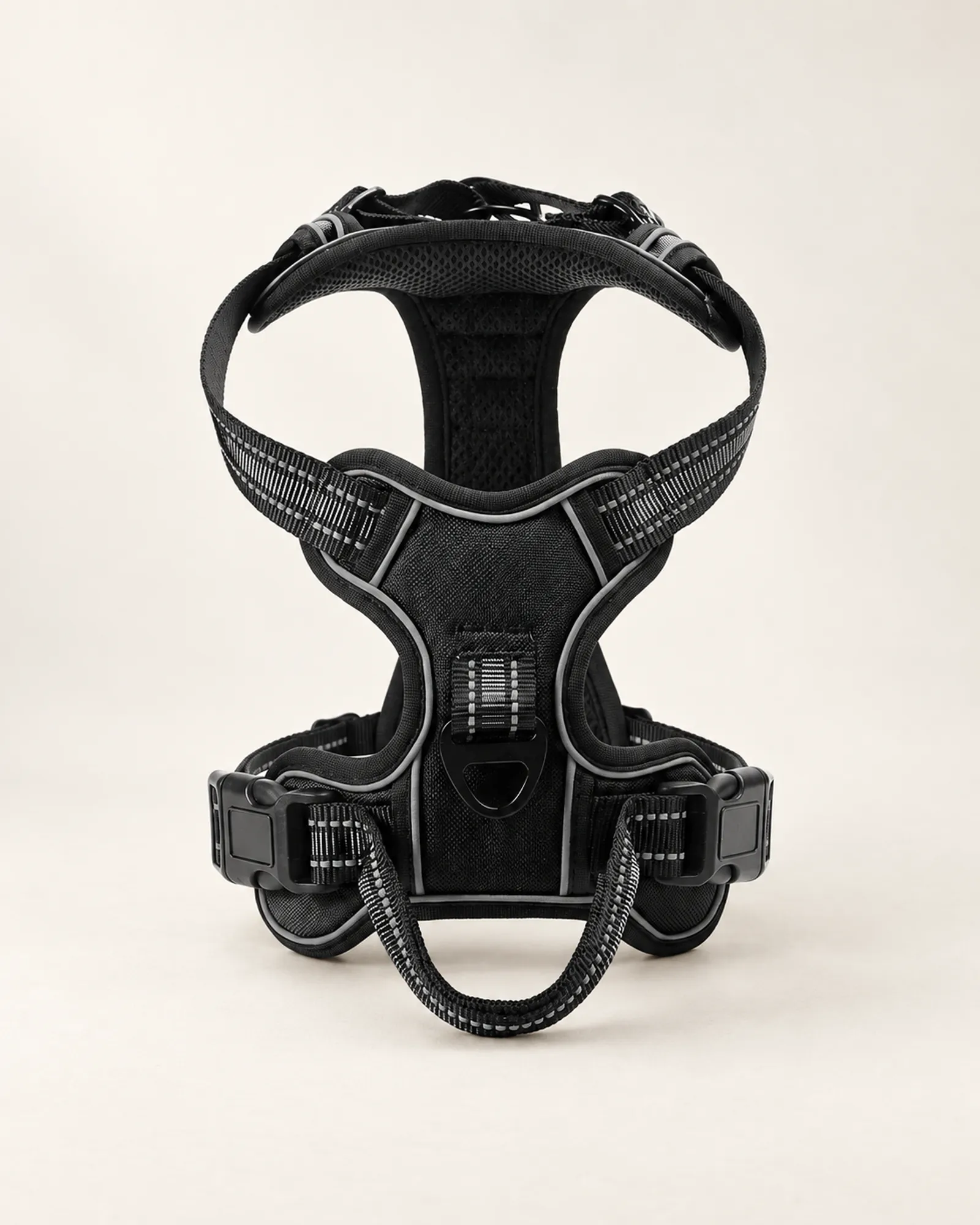
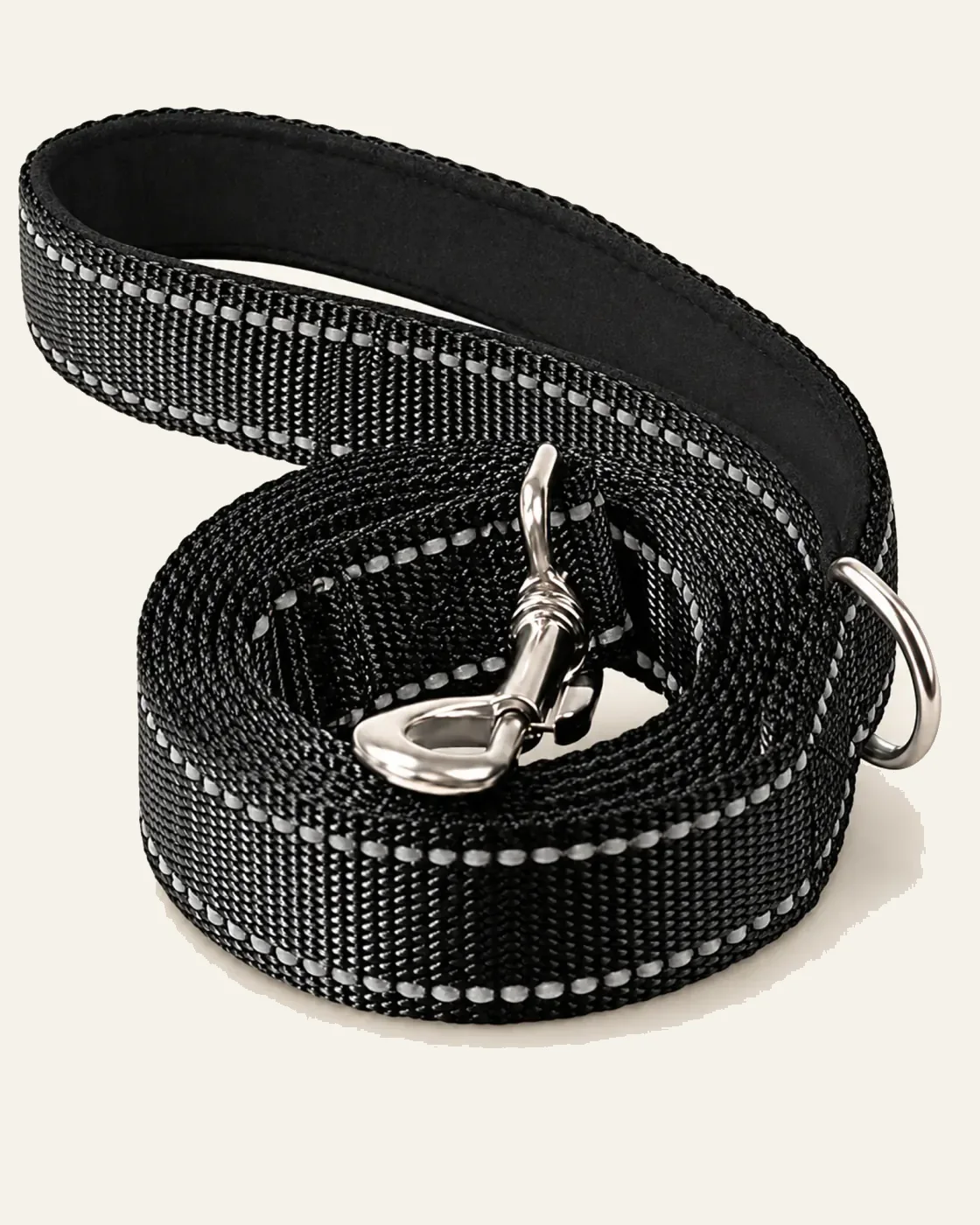
- Harness and a leash of 3 m or less (the national parks rule)
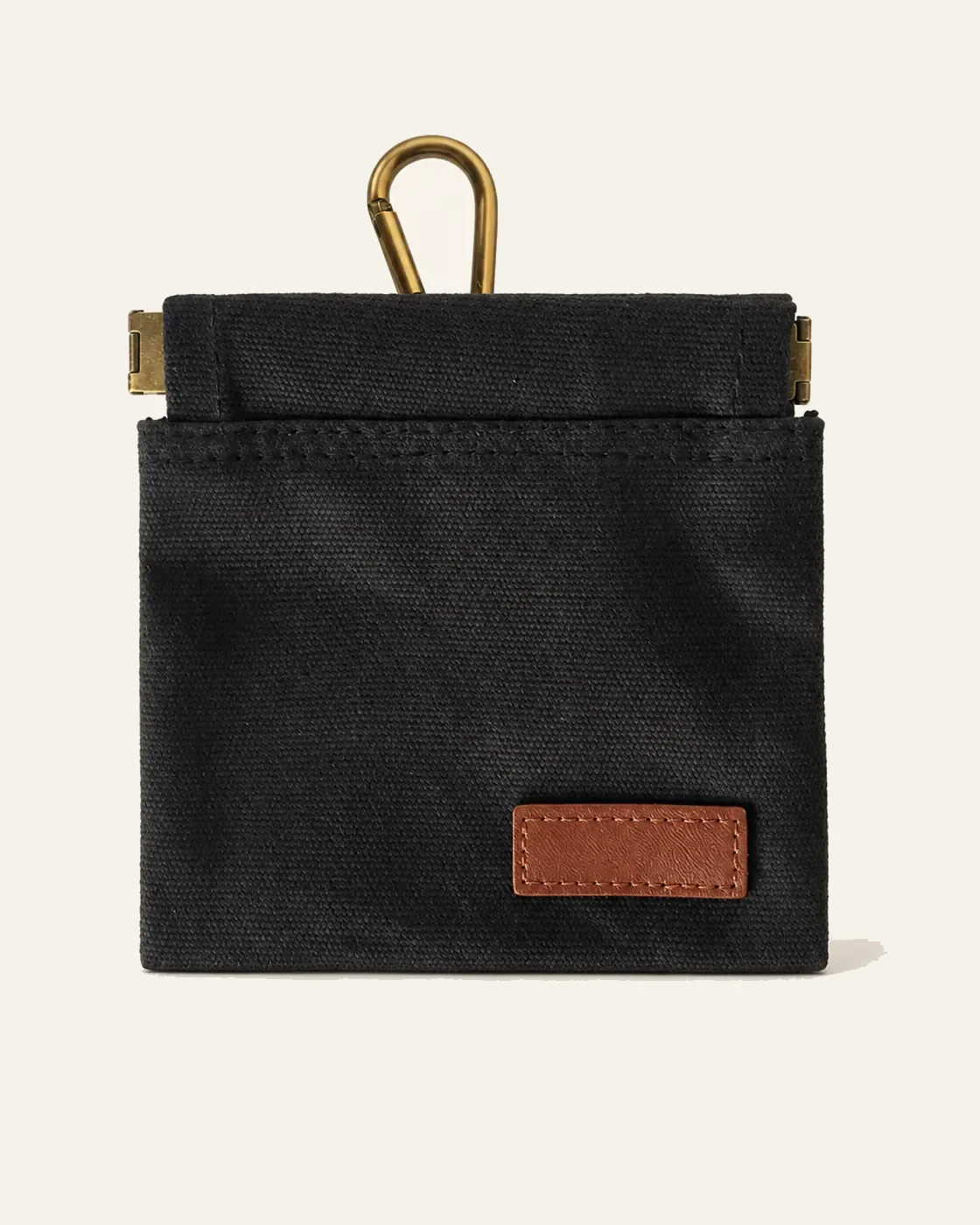
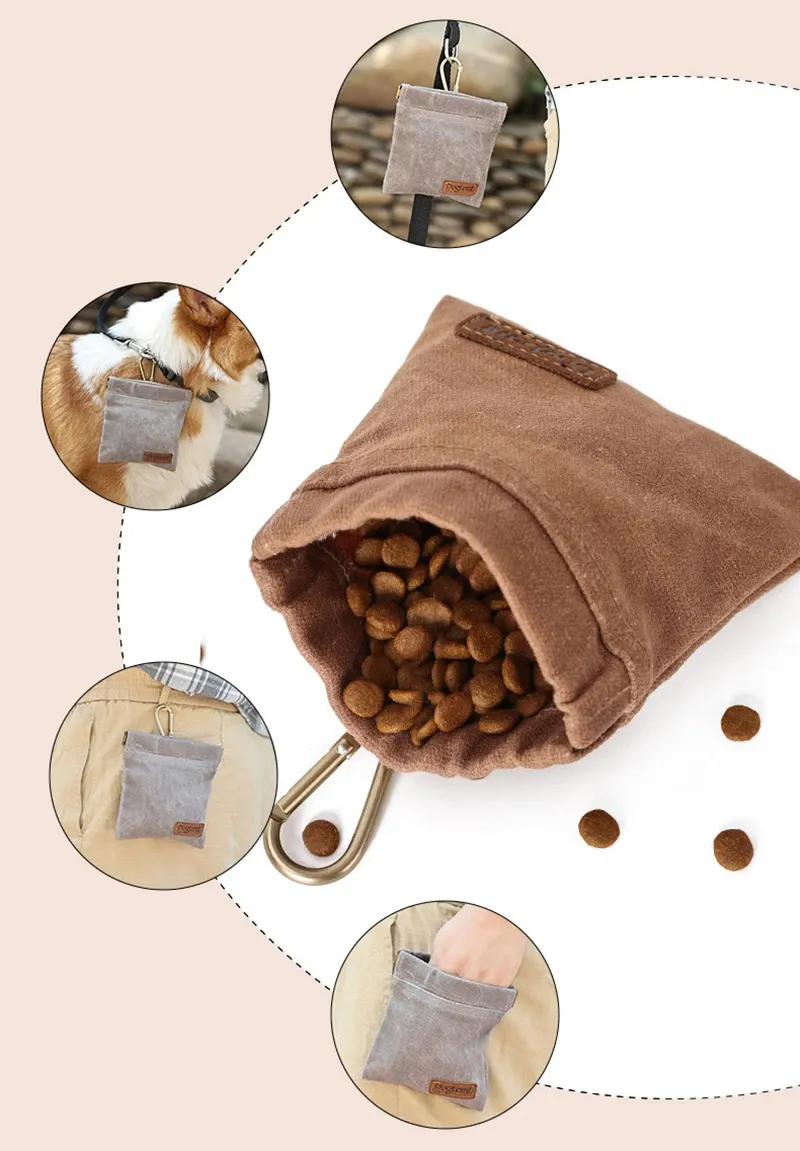
- Treats for recall and energy, in a pouch you can reach one-handed
- Poop bags, and a plan to pack them out
- ID tag with your phone number, and up-to-date microchip details
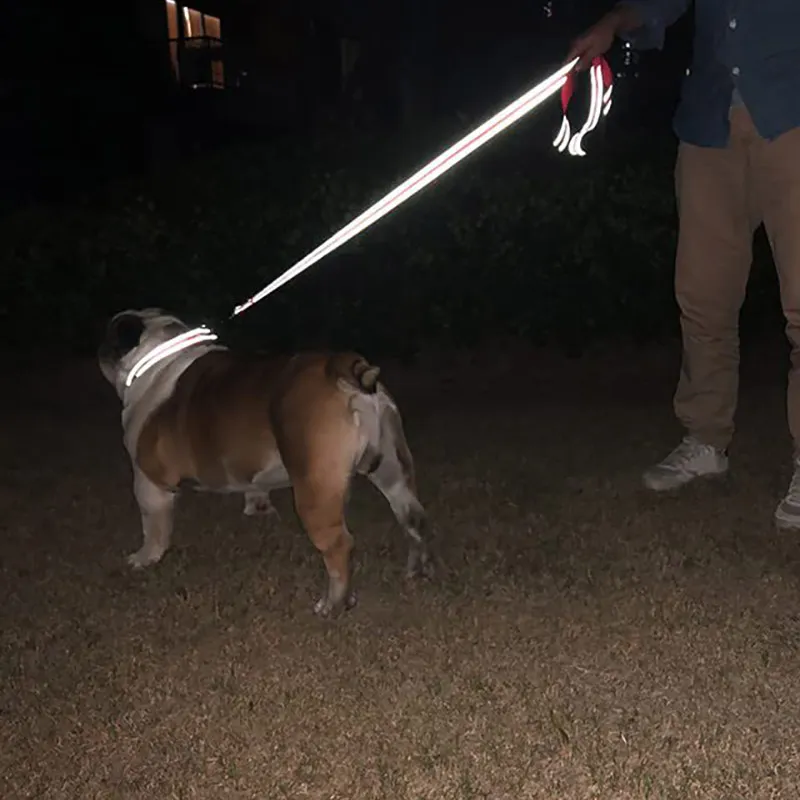
- A light if there's any chance you'll finish after dusk
- First-aid basics: gauze, self-adhering wrap, tweezers or a tick tool, and your vet's number. See our full first-aid kit checklist
- Towel for the car
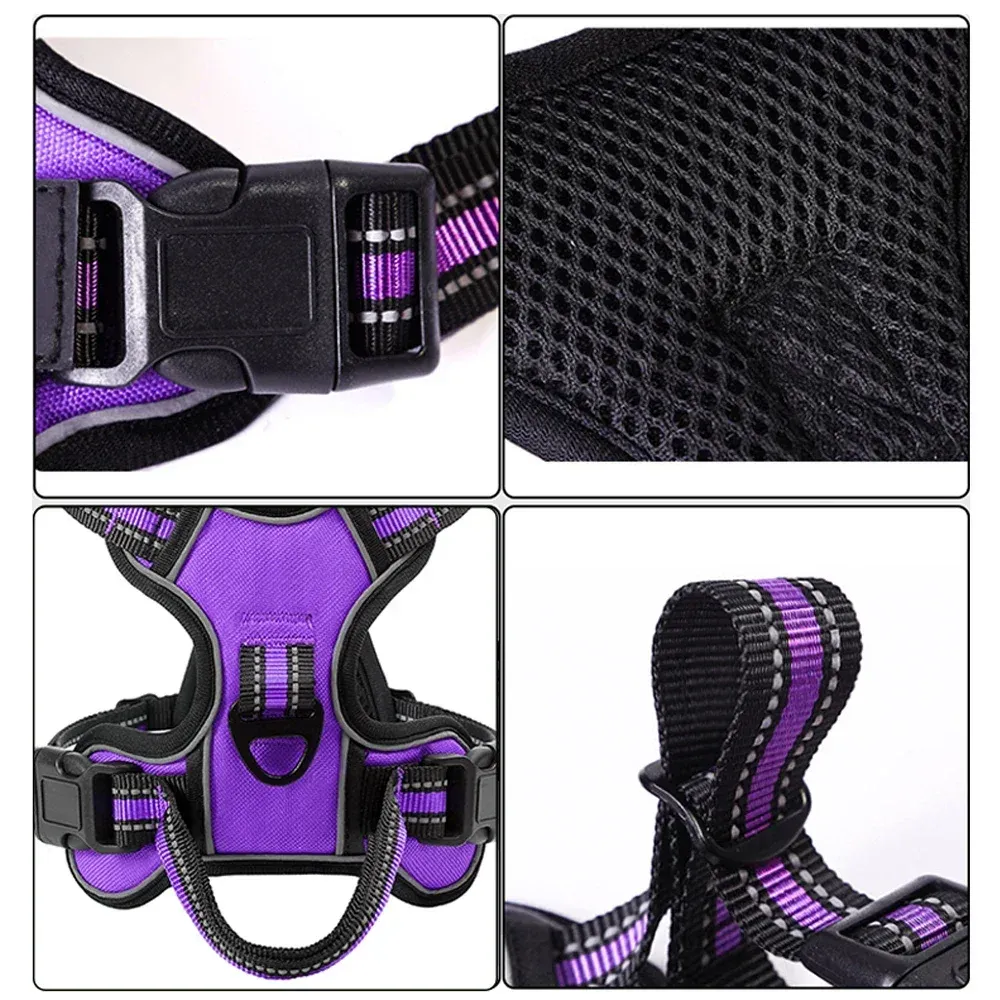
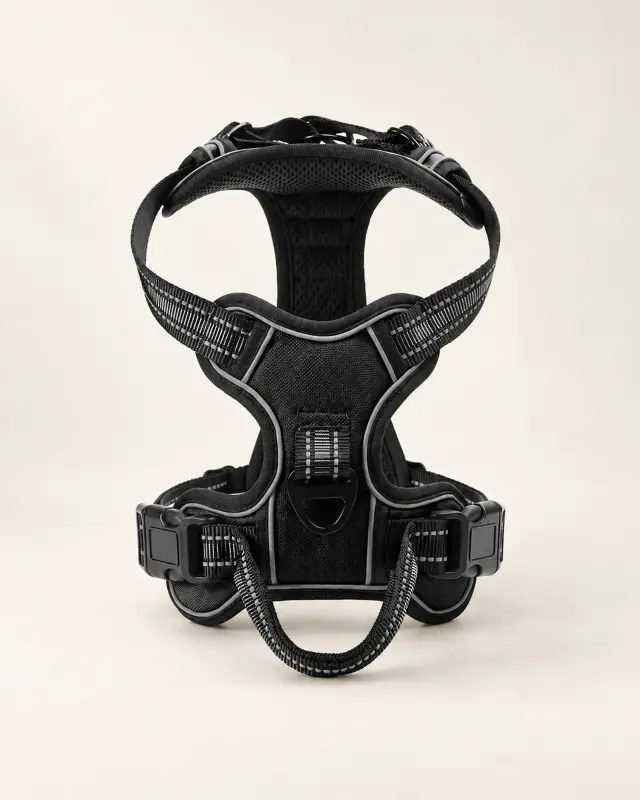 In our shopTrailhead Padded HarnessPadded and adjustable, with a top grab handle for helping them over logs and rocks.$39.00Shop
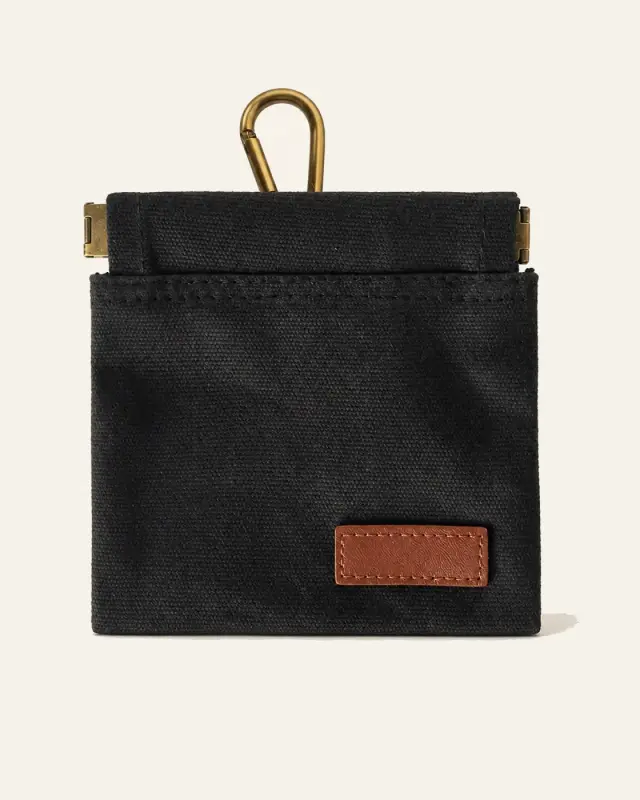 In our shopTrail Treat PouchSprings open with one hand and snaps shut so treats stay in. Clips to a belt loop or bag with a brass carabiner.$24.00Shop
Water and heat
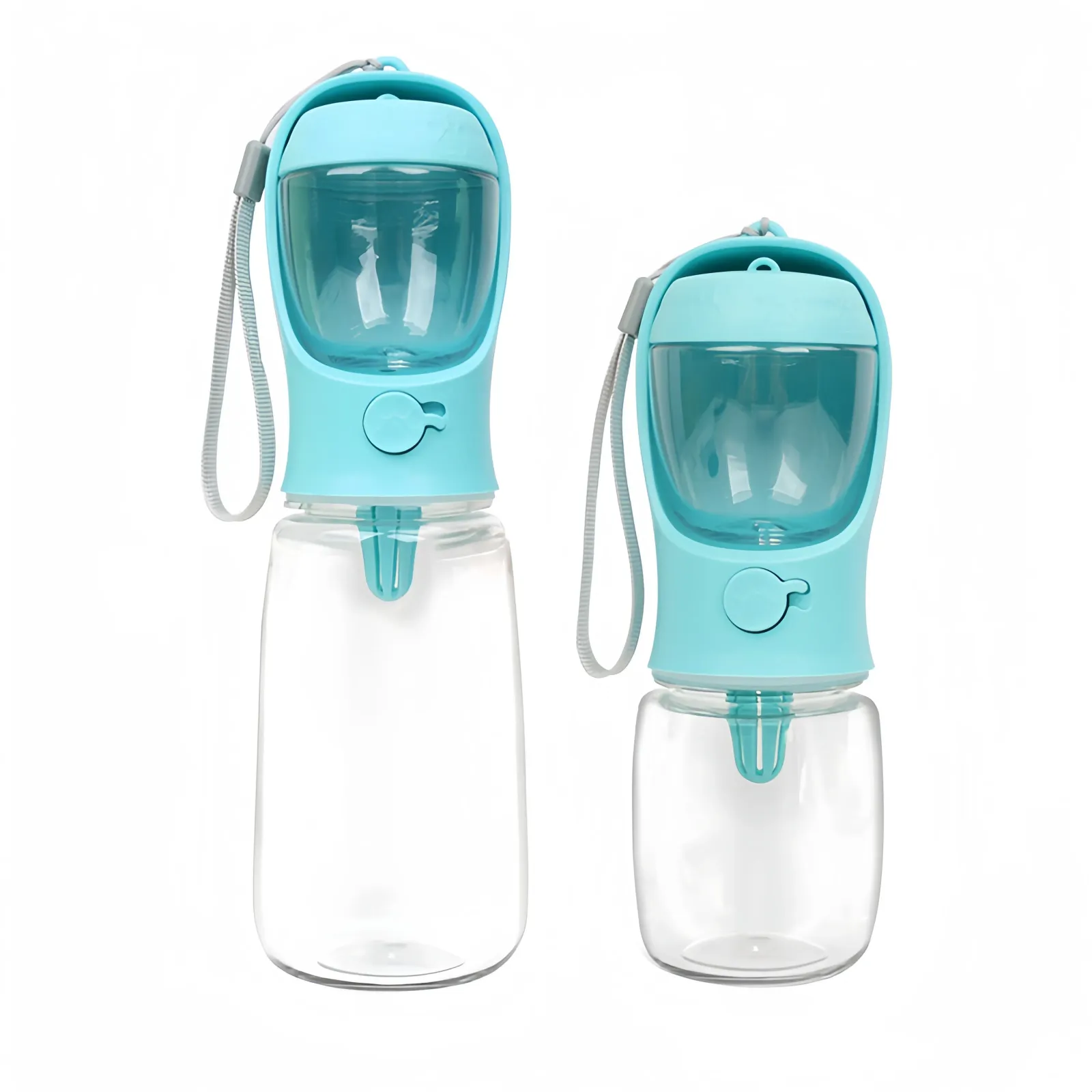
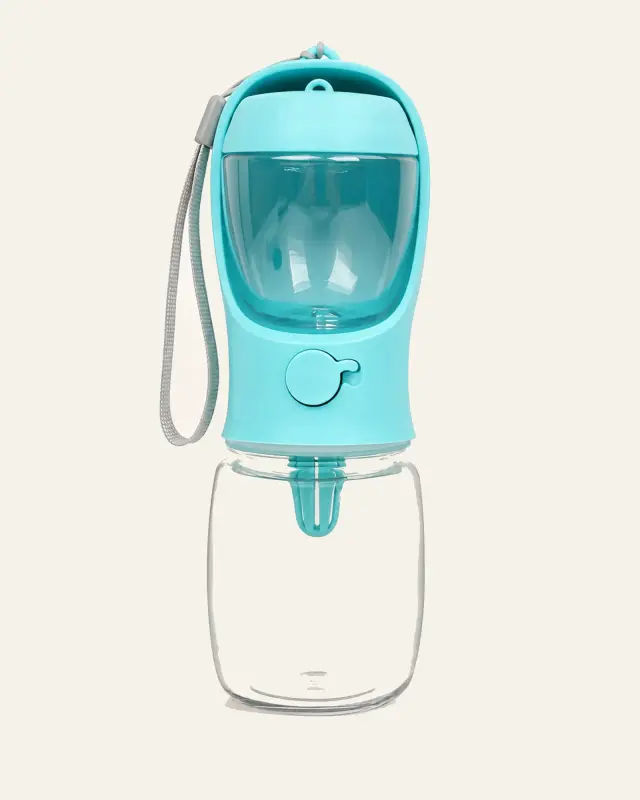 In our shop2-in-1 Walk BottleWater, a treat compartment and a drinking trough in one bottle, with a carry lanyard.From $39.00Shop
Wildlife
- Bears: a dog running loose can lead an angry bear straight back to you. Keep dogs leashed and close, make noise on blind corners, and carry bear spray where recommended.
- Porcupines: curious dogs get a face full of barbed quills. That means a vet visit, not pliers.
- Coyotes and cougars: keep small dogs close, especially at dawn and dusk.
- Ticks: check after every hike. Our tick guide shows you where.
Leash rules and trail manners
At the campsite
- Keep dogs leashed or tethered. Bring a long line for the site if it's allowed.
- Store dog food like your own: locked away from wildlife, never in the tent.
- Bring their bed or a mat. Nights get cold, even in July.
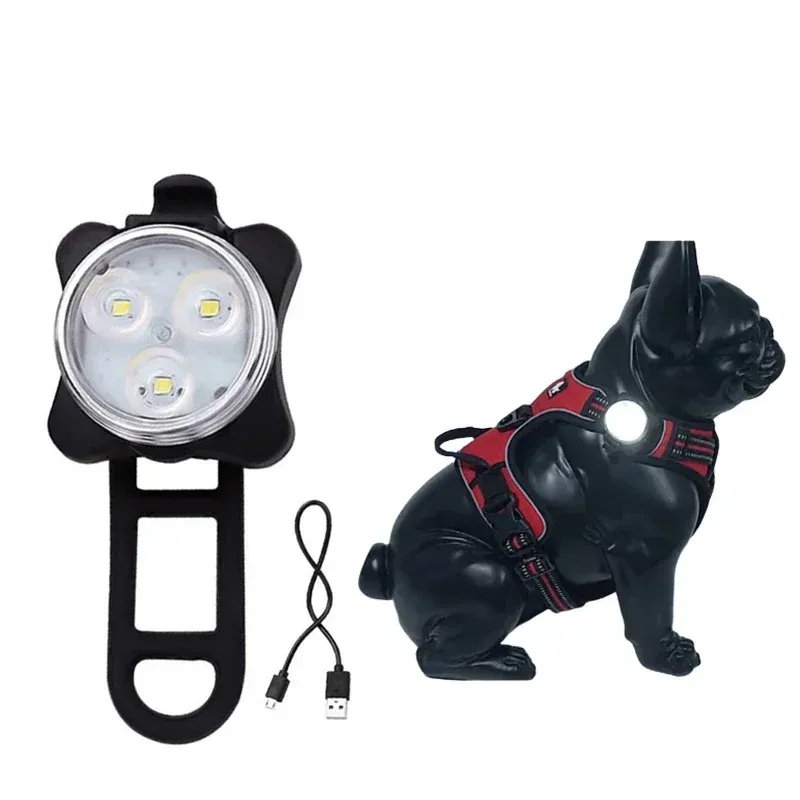
- Clip a light to their harness after dark so you can see them around the fire.
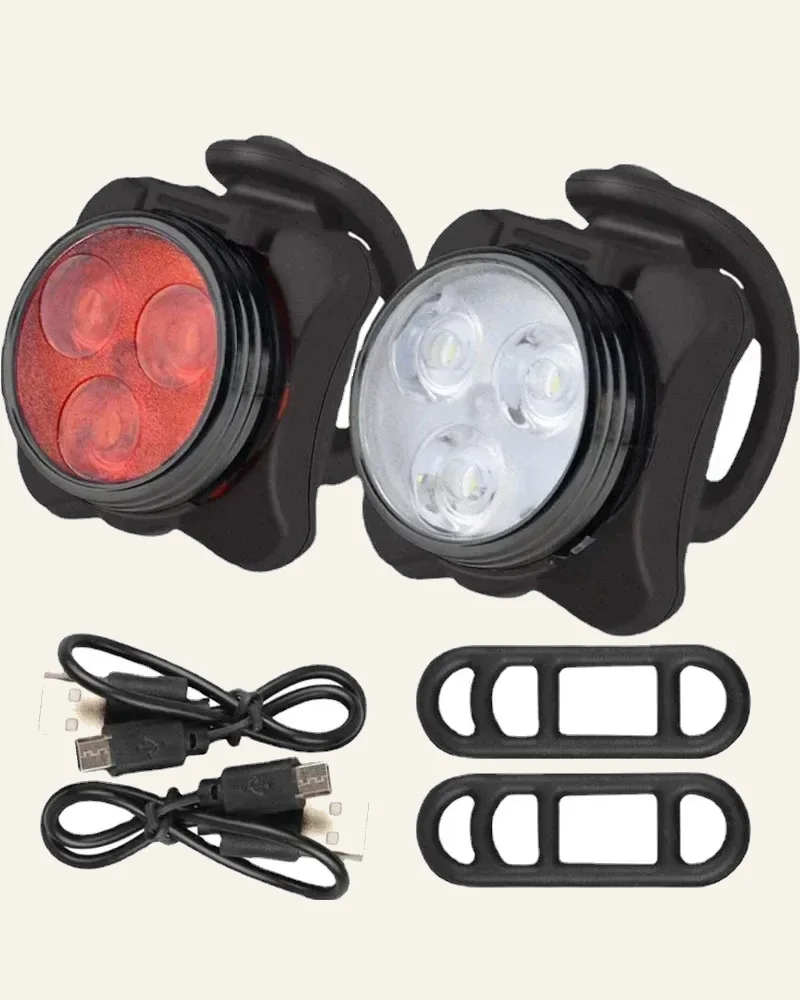
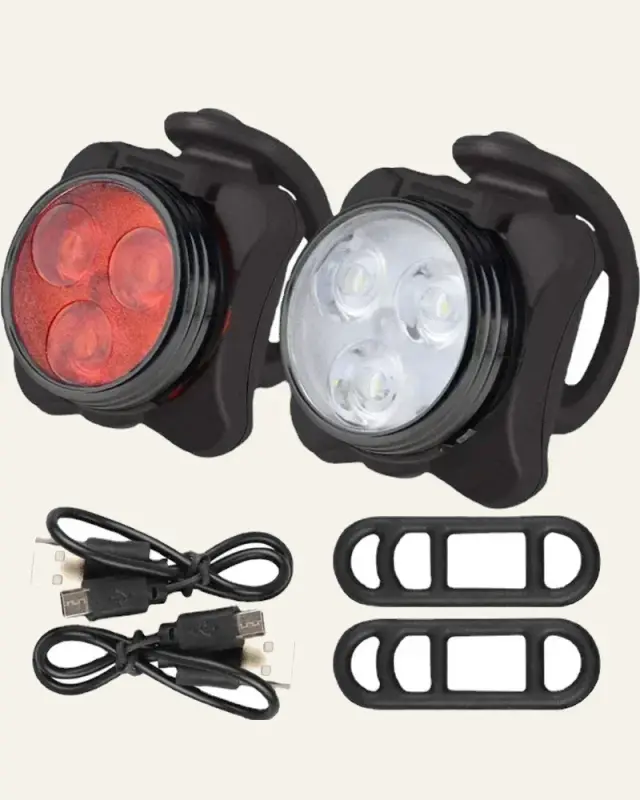 In our shopClip-On Safety LightFour light modes, USB rechargeable. You'll always know where they are after dark.$21.00Shop
When you get home
Questions people ask
How far can my dog hike?
Are dogs allowed in Canadian national parks?
What should I do if my dog gets quilled by a porcupine?
Sources we checked
- Parks Canada: Dogs in Parks Canada's protected places
- Government of Canada: Protect your pets from ticks and Lyme disease
- Cornell Riney Canine Health Center: Heatstroke, a medical emergency
Written by Northern Wag in Calgary and checked against the sources above. This is general information, not veterinary advice: if you're worried about your dog, call your vet.
Keep reading
All guides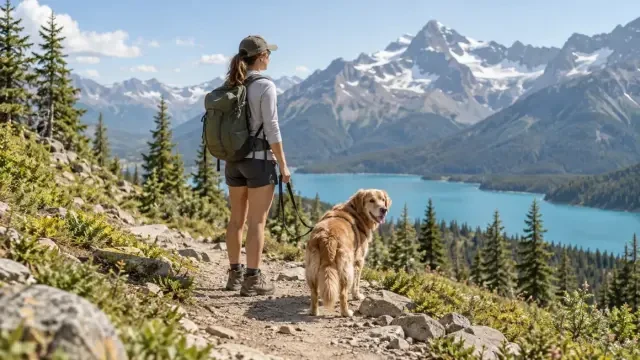
Travel & outdoors4 min read
Bringing your dog to Banff, Jasper and other national parks: the rules and a day-hike kit
The 3-metre leash rule, why it matters with bears and elk, trail etiquette, and a day-hike kit for your dog.
Travel & outdoors4 min read
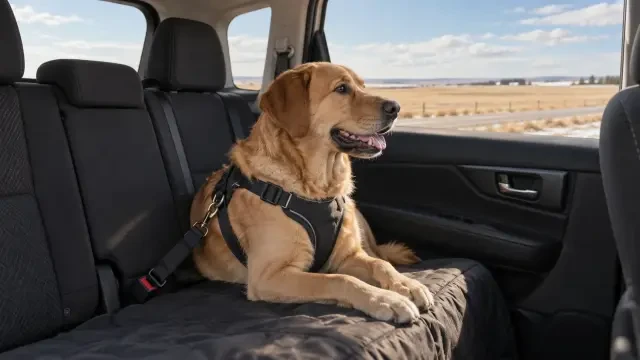
Road trips with your dog in Canada: the law, the gear and the stops
What the law says about dogs in cars, the honest truth about tethers and crash safety, and a packing list for the drive.
Walks & training4 min read
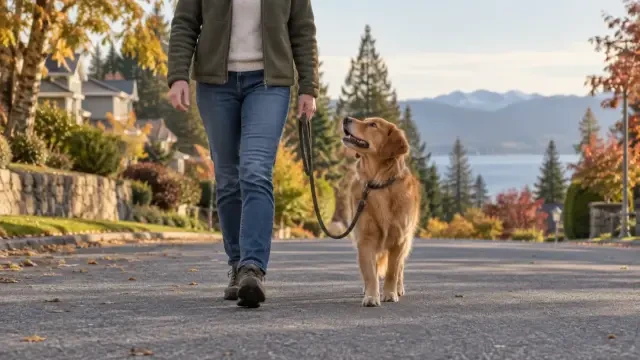
How to stop your dog pulling on the leash (without yanking)
The stop-and-go method, rewarding the right spot, what gear helps (and what doesn't), and a two-week plan.