Health & safety
Ticks and Lyme disease in dogs in Canada: checks, removal and prevention
Ticks aren't just a summer problem. How to do a two-minute tick check, remove one safely, and what to ask your vet.
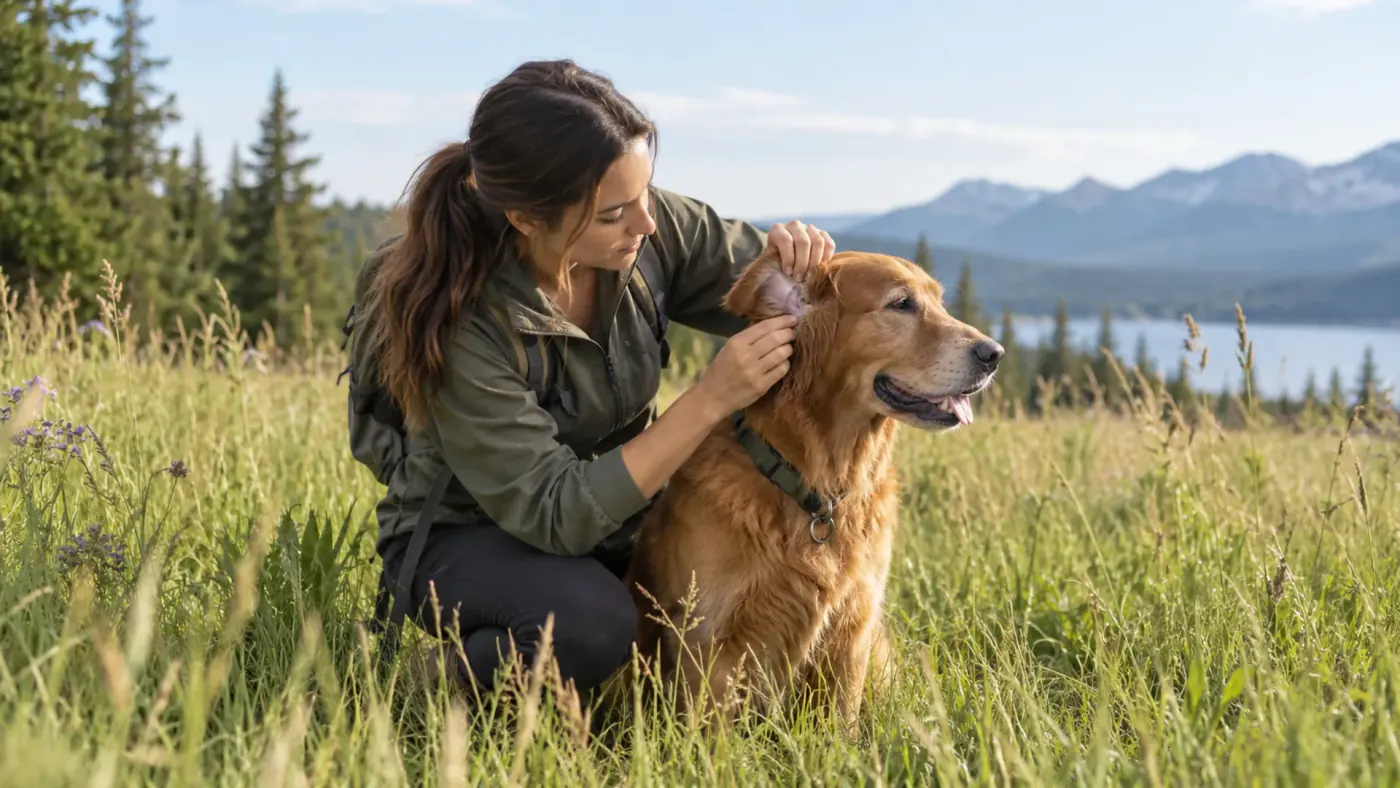
AI-generated illustration. Product photos on our product pages are real photos of what ships.
The short answer
- Blacklegged ticks, which can carry Lyme disease, are spreading across southern Canada.
- Ticks can be active whenever it's above freezing, so spring and fall count as tick season too.
- Check your dog after every walk in woods, long grass or leaf litter: head, ears, neck, armpits, groin and between the toes.
- Remove ticks with fine-point tweezers, pulling slowly and steadily straight out. Ask your vet about tick prevention and the Lyme vaccine.
On this page (4 sections)
Where and when ticks are found
The two-minute tick check
- Around and inside the ears
- Head, face and around the eyes
- Neck and under the collar or harness
- Armpits and chest
- Groin and belly
- Between the toes and pads
- Under the tail
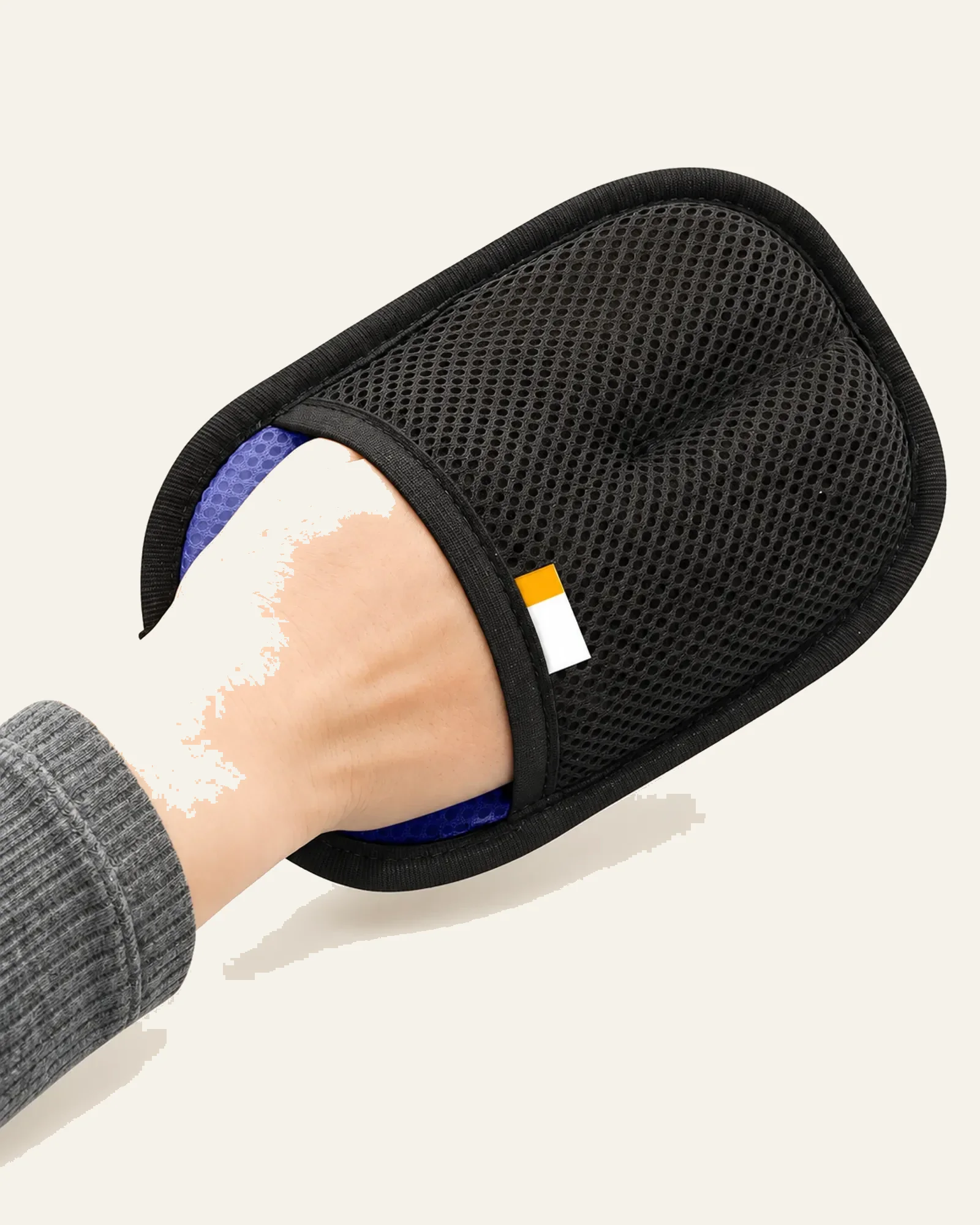
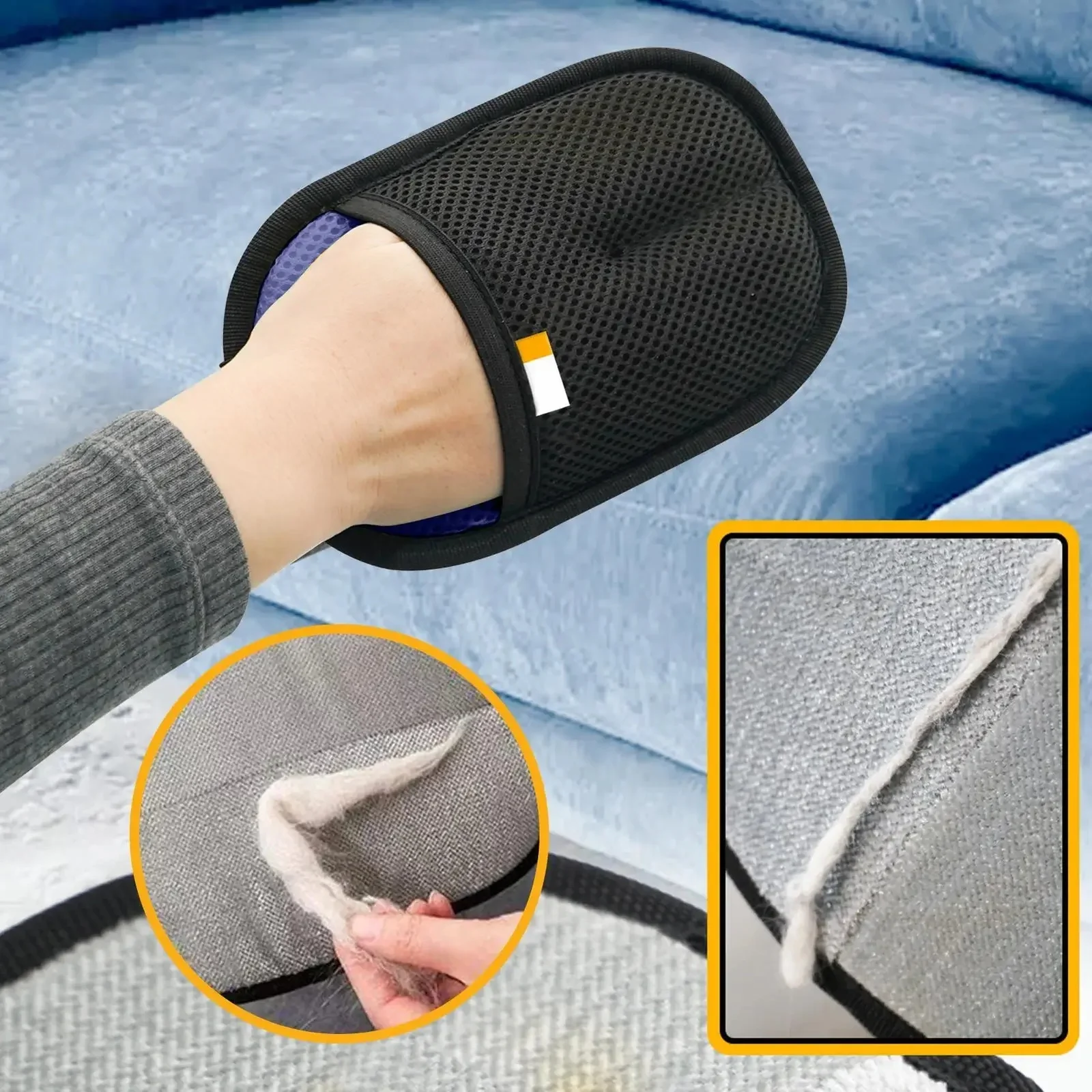
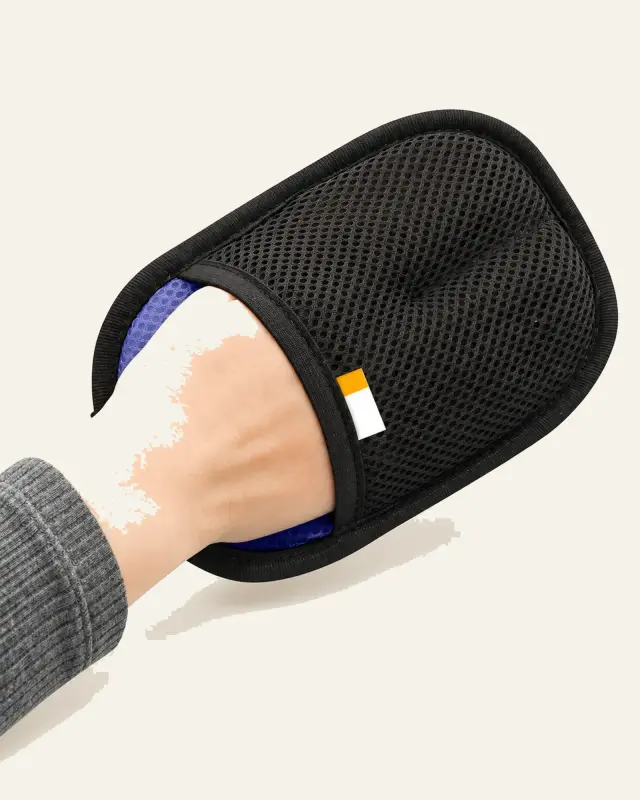 In our shopFur-Lift Grooming GloveMesh grooming gloves (a pair): run them over the whole body and feel for bumps as you go.$26.00Shop
How to remove a tick
- 1Use clean, fine-point tweezers or a tick-removal tool.
- 2Grasp the tick as close to the skin as possible.
- 3Pull slowly and steadily straight out. Don't twist, squeeze or crush it.
- 4Wash the bite area with soap and water or an alcohol-based sanitizer.
- 5Put the tick in a sealed bag or container and note the date. Your vet or local public health unit may want to identify it.
Prevention: talk to your vet
- Tick-prevention products (chews, topicals or collars) kill or repel ticks. Which one is right depends on your dog's health, age and where you live.
- The Lyme vaccine is available for dogs and may be recommended in high-risk areas.
- Keep your yard less tick-friendly: mow the grass and clear leaf litter and brush.
Questions people ask
Can my dog give me Lyme disease?
What are the signs of Lyme disease in dogs?
Should I burn off a tick or cover it in petroleum jelly?
Sources we checked
- Government of Canada: Protect your pets from ticks and Lyme disease
- Government of Canada: Lyme disease prevention toolkit
- Canadian Parasitology Expert Panel: Ticks and mites
Written by Northern Wag in Calgary and checked against the sources above. This is general information, not veterinary advice: if you're worried about your dog, call your vet.
Keep reading
All guides
Health & safety3 min read
Frostbite and hypothermia in dogs: the signs and what to do
How to recognise frostbite and each stage of hypothermia, safe first steps while you call the vet, and what not to do.
Health & safety4 min read
Dog first-aid kit checklist: what to pack for home, car and trail
Everything to put in a dog first-aid kit, what each item is for, and the numbers to keep with it.

Health & safety3 min read
Walking your dog in the dark: how to be seen from a block away
From November most walks happen in the dark. How reflective gear and lights work, and a simple setup that makes you both visible.