Health & safety
Frostbite and hypothermia in dogs: the signs and what to do
How to recognise frostbite and each stage of hypothermia, safe first steps while you call the vet, and what not to do.
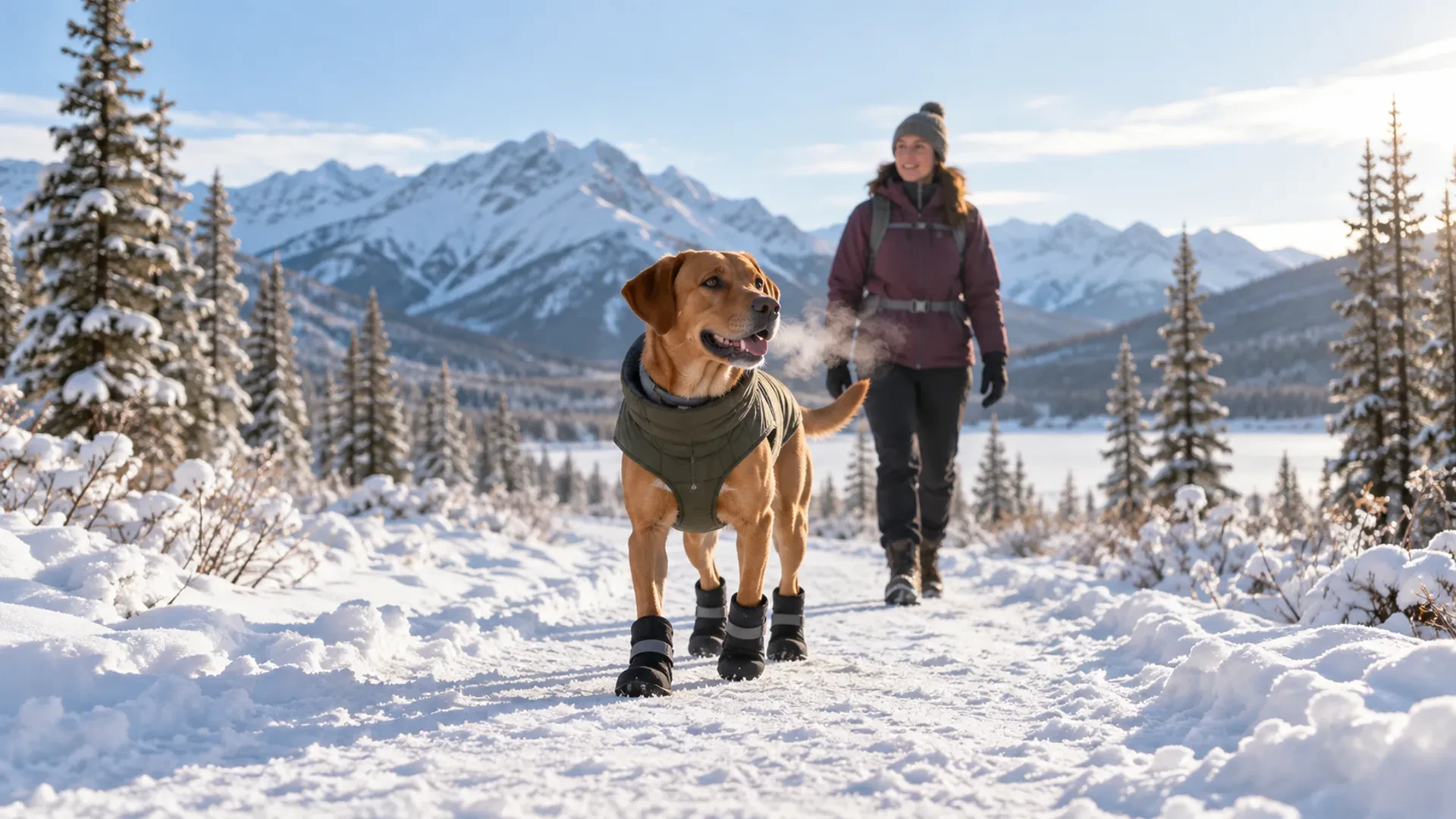
AI-generated illustration. Product photos on our product pages are real photos of what ships.
The short answer
- Frostbite hits ears, tail tips and paws first; it can take days to show.
- Shivering and cold paws are mild hypothermia; weakness, stiffness and confusion mean it's serious.
- Warm gently with dry blankets. Never rub frostbitten skin or use direct high heat.
- Call your vet for anything beyond mild shivering that stops quickly.
On this page (4 sections)
Hypothermia: when the whole body gets too cold
| Stage | What you'll see |
|---|---|
| Mild | Shivering, cold ears and paws, sluggish or reluctant to move |
| Moderate | Intense shivering that won't stop, weakness, clumsiness, pale gums, slow breathing |
| Severe | Shivering stops, stiff muscles, dilated pupils, trouble breathing, collapse or unconsciousness |
Frostbite: when a body part freezes
- Ear tips
- Tail tip
- Paw pads and toes
- Scrotum
First aid while you call the vet
- 1Get inside, somewhere warm and out of the wind.
- 2Dry your dog gently with towels. Wet fur keeps pulling heat away.
- 3Wrap them in dry blankets or towels warmed in the dryer.
- 4Warm water bottles wrapped in a towel can go against the belly and armpits. Never directly on skin.
- 5Call your vet and follow their advice. Keep your dog wrapped on the way.
 In our shopQuick-Dry Dog TowelAbsorbent microfibre that dries a wet coat fast, the first step in warming a cold dog.$26.00Shop
Prevention: the easy part
- Check the feels-like temperature and shorten walks as it drops. Our walk chart in Celsius makes it simple.
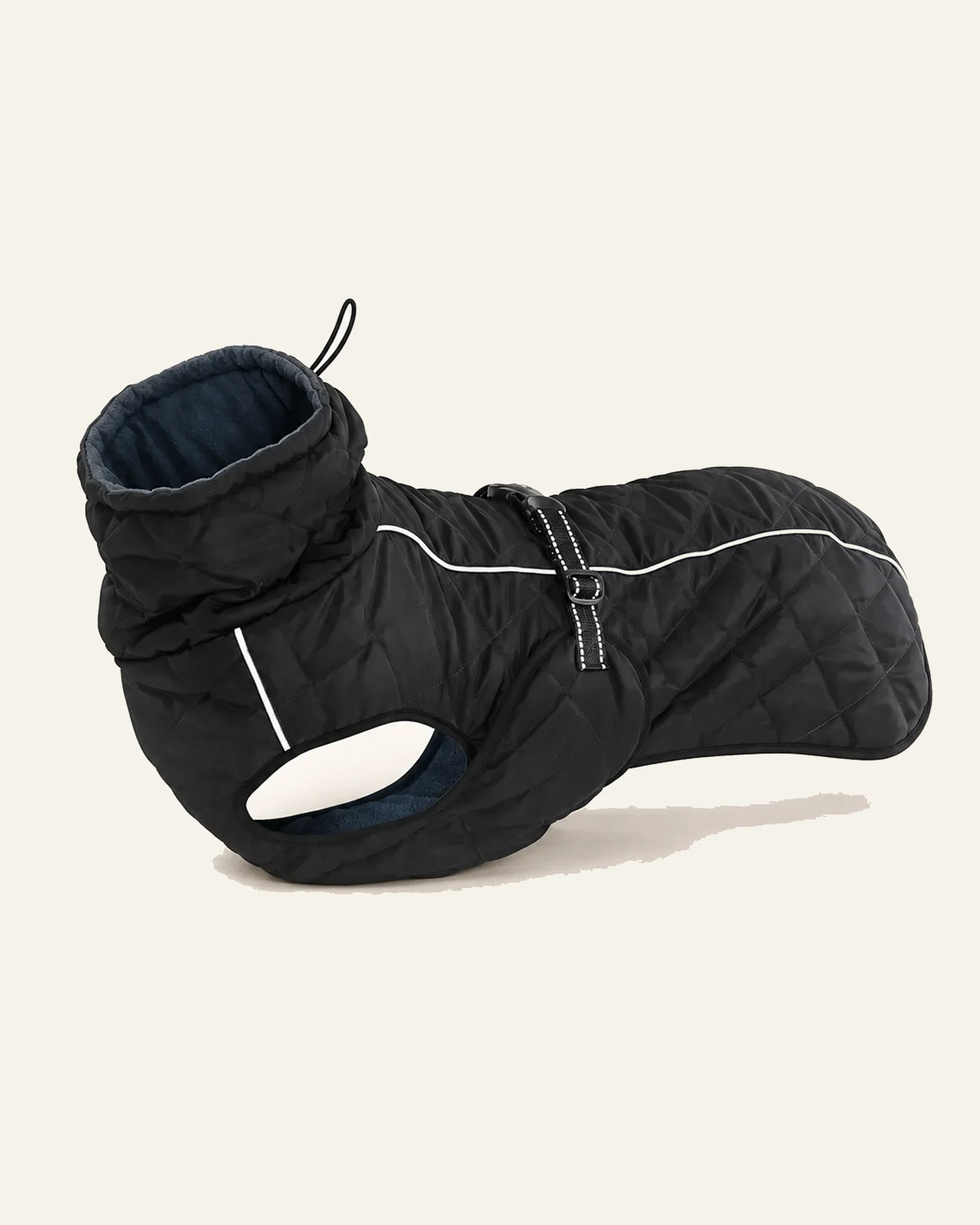
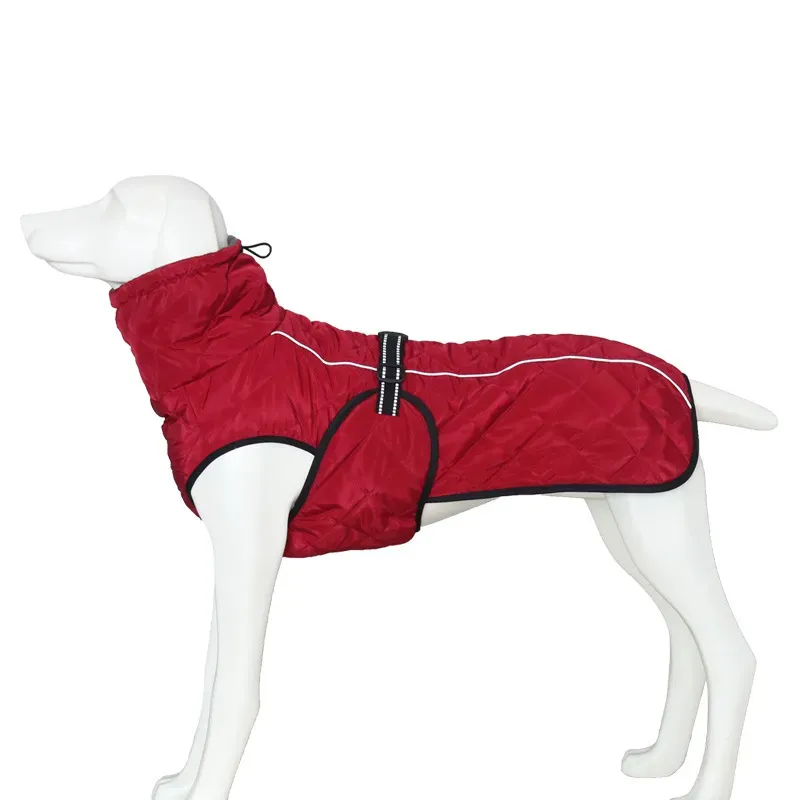
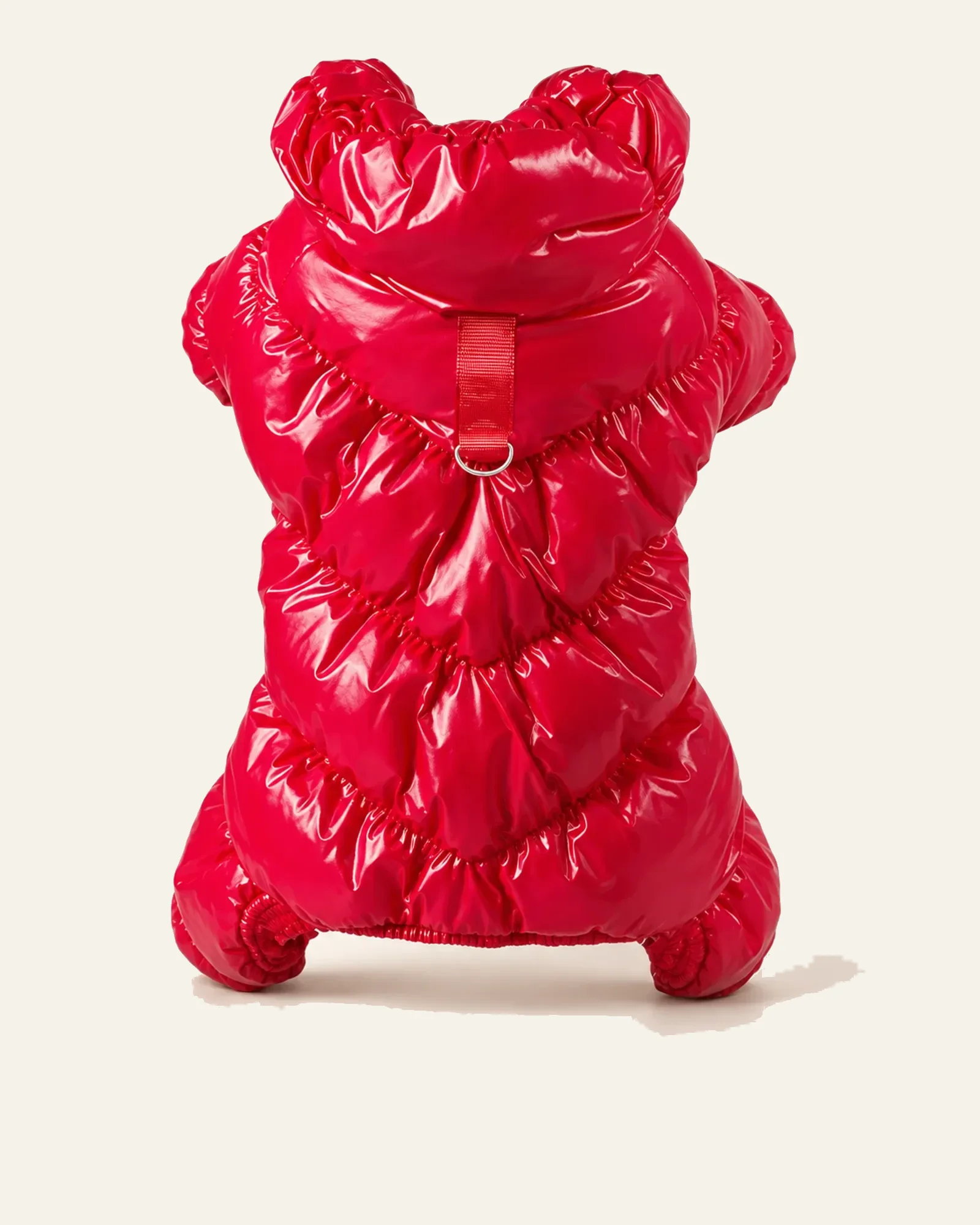
- Coats for dogs who need them: small, short-coated, lean, young and senior dogs.
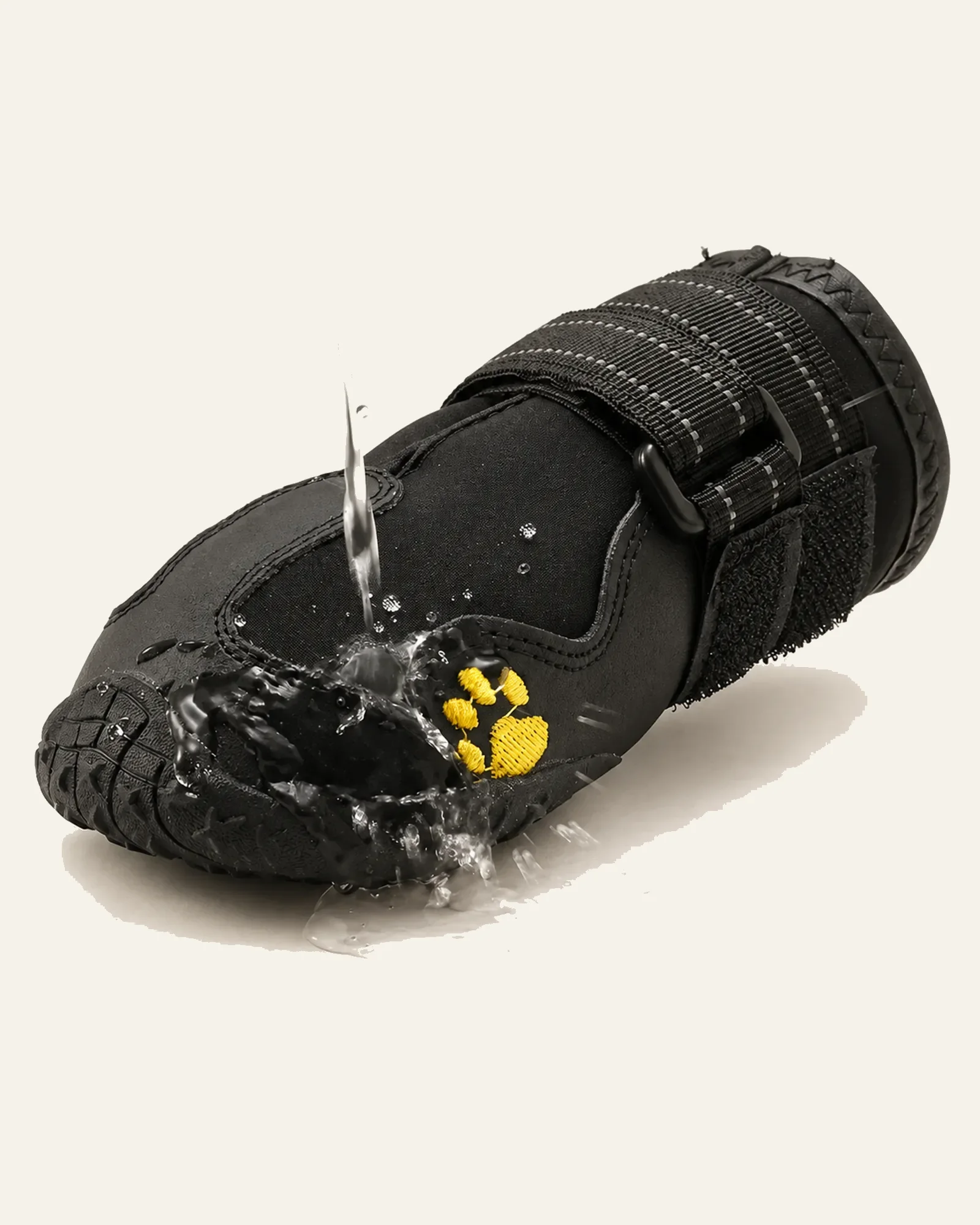
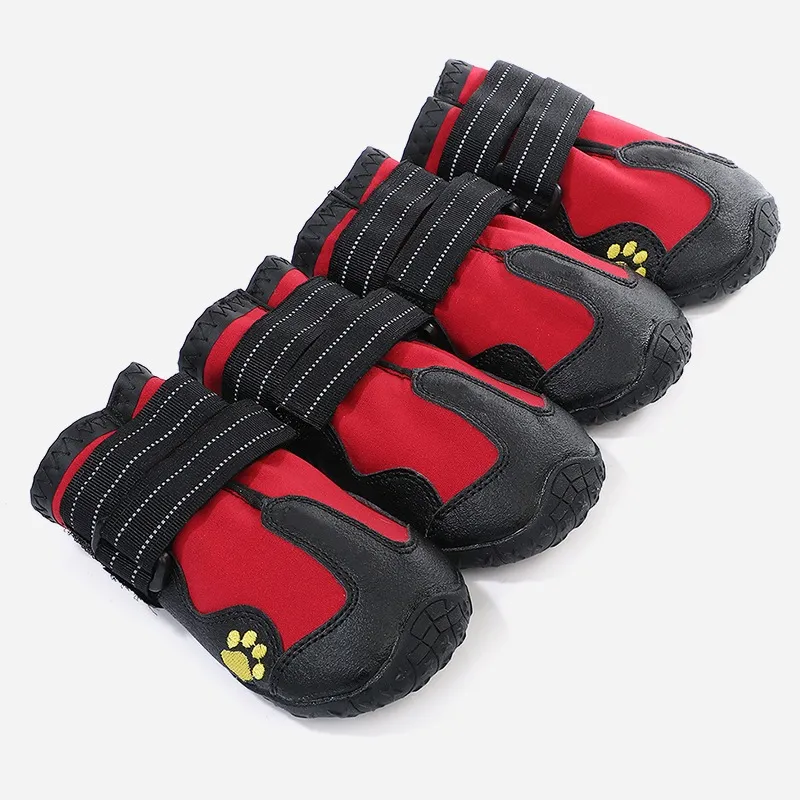
- Boots for long walks on frozen ground, salt and ice.
- Dry off after snowy walks, especially bellies and legs.
- Never leave a dog in a car in winter. It cools down like a fridge.

Questions people ask
What does frostbite look like on a dog?
What temperature causes hypothermia in dogs?
Can I use a hair dryer to warm my dog?
Sources we checked
- VCA Animal Hospitals: Frostbite in dogs
- PetMD: Hypothermia in dogs
- Small Door Veterinary: Hypothermia and frostbite in cats and dogs
Written by Northern Wag in Calgary and checked against the sources above. This is general information, not veterinary advice: if you're worried about your dog, call your vet.
Keep reading
All guides
Winter5 min read
How cold is too cold to walk your dog? A Celsius guide for Canadian winters
A feels-like chart in Celsius for every size of dog, the signs it's time to turn around, and what actually buys you more time outside.
Sizing & fit4 min read
How to measure your dog for a harness, coat, boots or collar
Chest, back, neck and paw width: exactly where to measure, with diagrams, so the first order fits.

Health & safety3 min read
Walking your dog in the dark: how to be seen from a block away
From November most walks happen in the dark. How reflective gear and lights work, and a simple setup that makes you both visible.