Winter
How cold is too cold to walk your dog? A Celsius guide for Canadian winters
A feels-like chart in Celsius for every size of dog, the signs it's time to turn around, and what actually buys you more time outside.
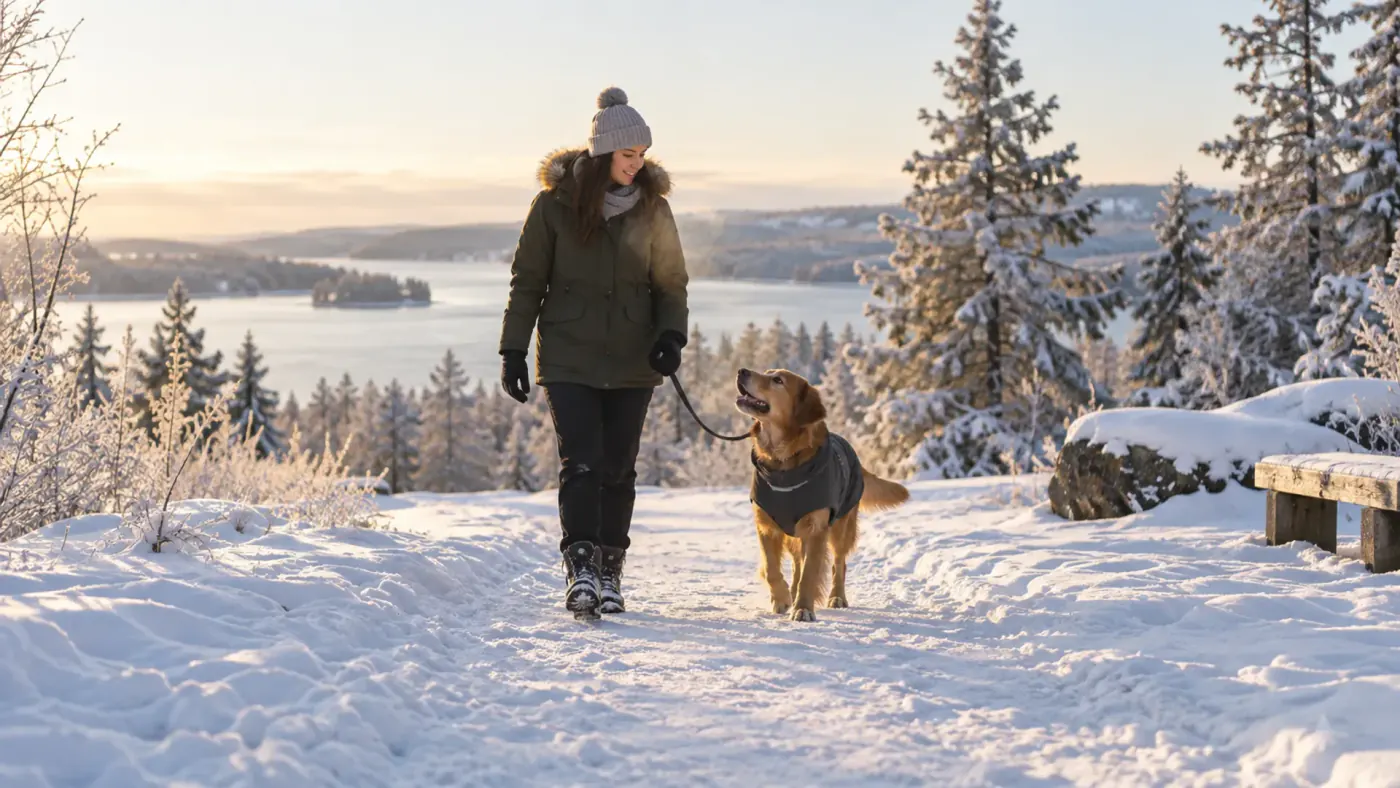
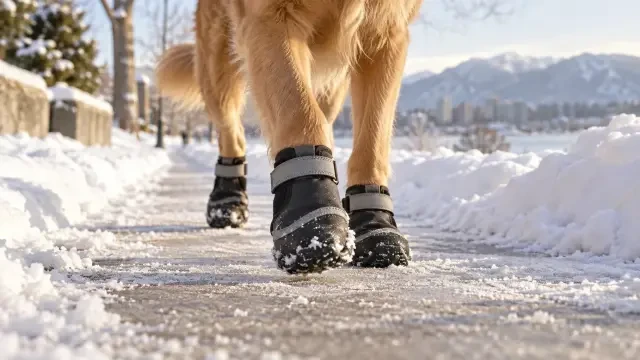
AI-generated illustration. Product photos on our product pages are real photos of what ships.
The short answer
- Go by the feels-like (wind chill) temperature, not the thermometer.
- Small, short-coated, young, old and lean dogs feel the cold first: shorten walks from about 0°C.
- Below about −7°C most dogs need shorter walks; below −15°C most need gear and potty-break-length trips.
- Shivering, lifting paws, slowing down or trying to turn home means it's time to go in.
On this page (5 sections)
The chart: walk length by feels-like temperature
Walk guide by temperature (feels-like)
Use the wind-chill temperature, not the thermometer reading.
| Feels like | Small or short-coated | Medium, average coat | Large, thick coat | Husky, malamute and other northern breeds |
|---|---|---|---|---|
| above 45°F | Normal walk | Normal walk | Normal walk | Normal walk |
| 32 to 45°F | Watch for shivering | Normal walk | Normal walk | Normal walk |
| 20 to 32°F | Shorter walks, gear on | Watch for shivering | Normal walk | Normal walk |
| 5 to 20°F | Potty breaks only | Shorter walks, gear on | Watch for shivering | Normal walk |
| −13 to 5°F | Potty breaks only | Potty breaks only | Shorter walks, gear on | Watch for shivering |
| below −13°F | Potty breaks only | Potty breaks only | Potty breaks only | Shorter walks, gear on |
| Makes it riskier | Makes it easier |
|---|---|
| Toy-sized dog | Northern or heavy-coated breed |
| Wet coat, rain or sleet | Used to the cold (acclimatised) |
| Under 6 months or a senior | Warm, dry place to come back to |
Signs your dog is too cold
- 1Lifting paws or holding one foot up. Often the first sign on salted or icy sidewalks.
- 2Slowing down, stopping, or pulling towards home. A dog that normally sniffs everything and suddenly wants to go back is telling you something.
- 3Shivering, a hunched back or a tucked tail.
- 4Anxious whining, or looking for shelter behind you or against a building.
- 5Moving stiffly, weakness or confusion. This is moderate to severe hypothermia: warm them up and call a vet.
What actually buys you more time outside
A jacket for dogs who lose heat fast
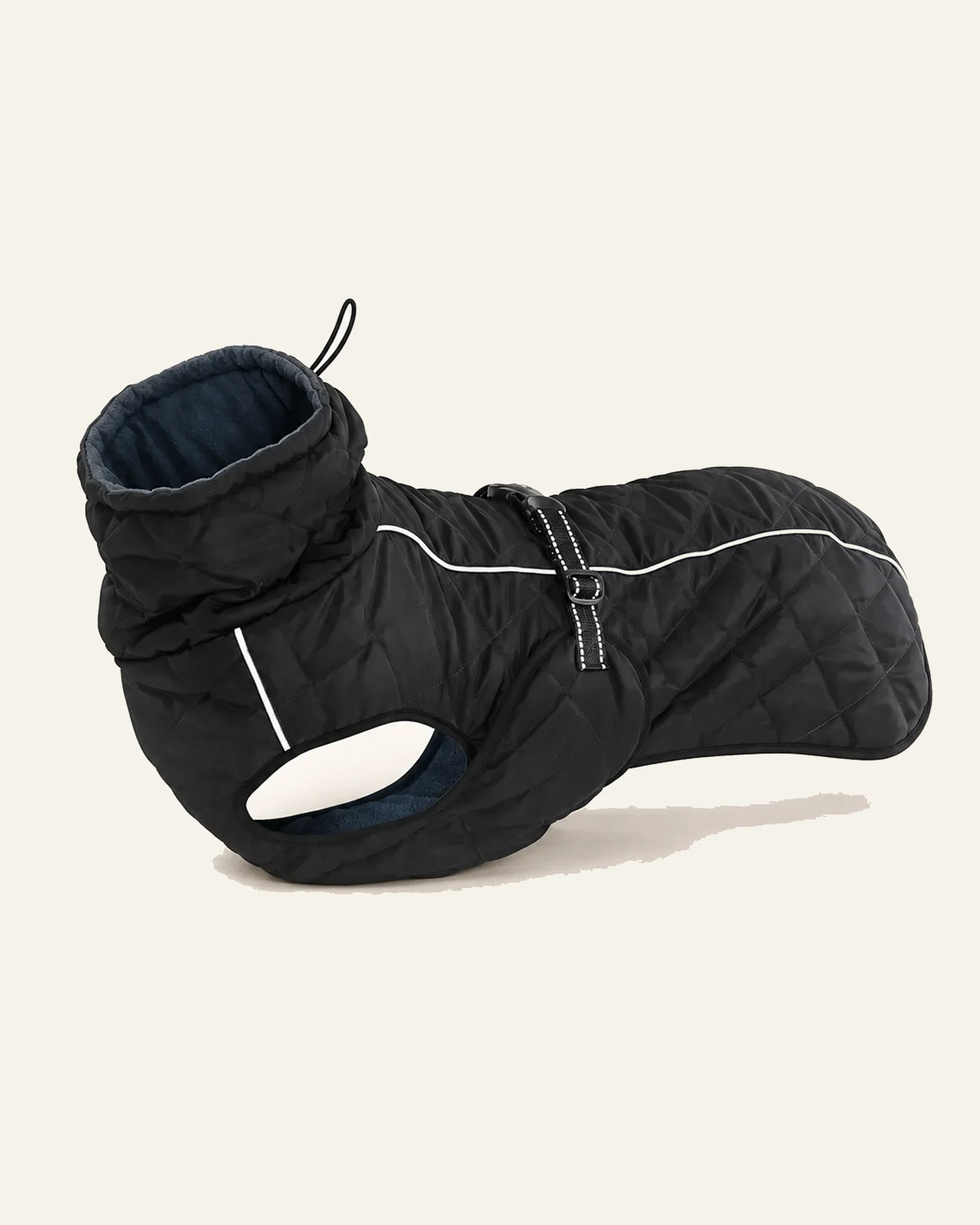
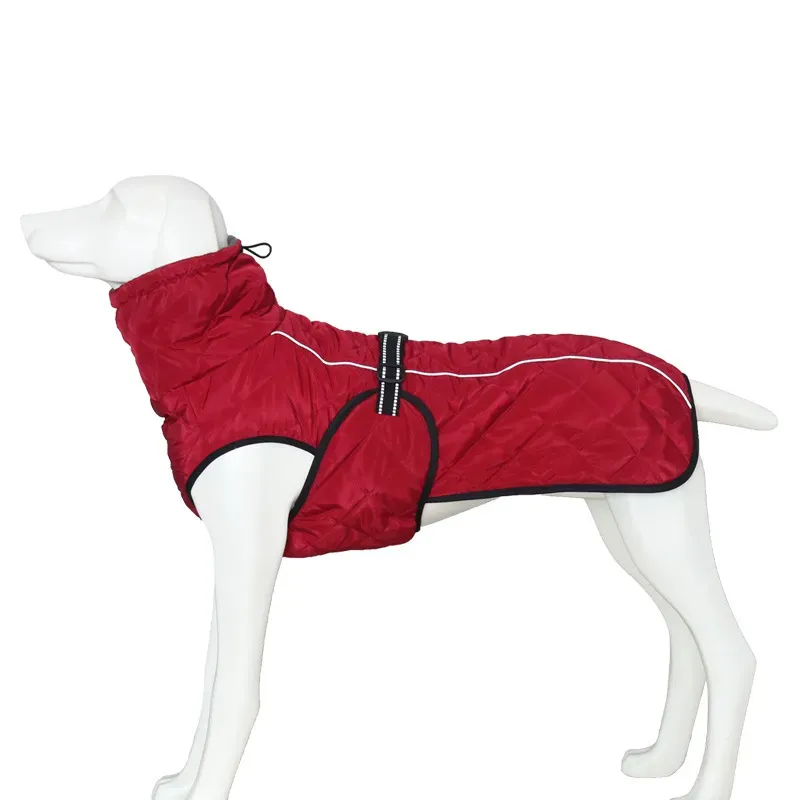
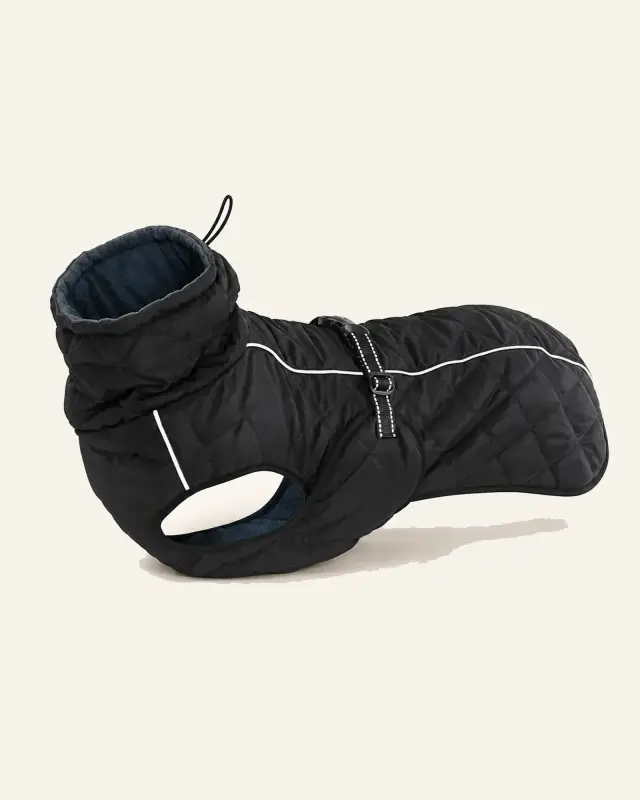 In our shopQuilted Winter JacketPadded shell, tall fleece-lined collar and reflective piping for dark evenings.$64.00Shop
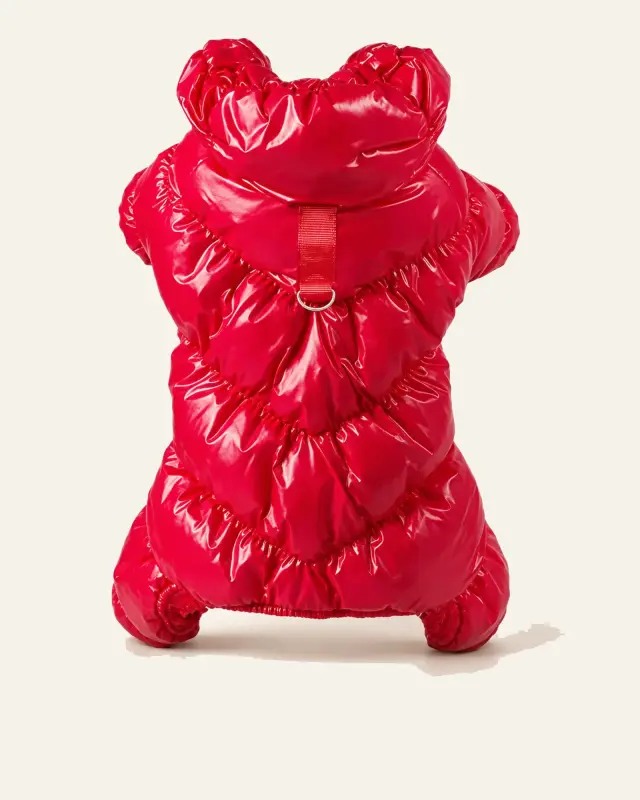 In our shopPuffer SnowsuitCovers all four legs, fleece-lined, with a leash opening on the back.$45.00Shop
Boots for paws, salt and ice
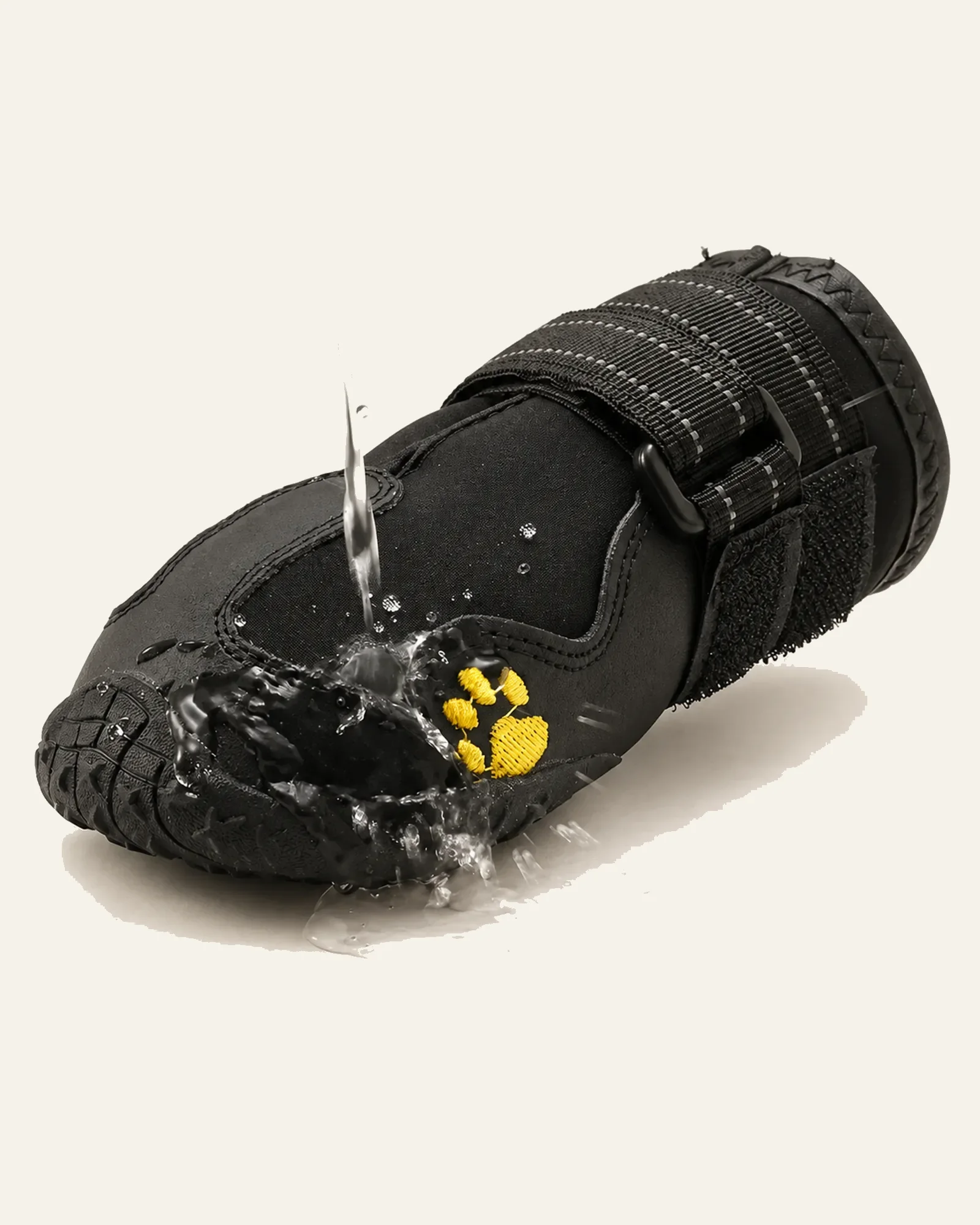
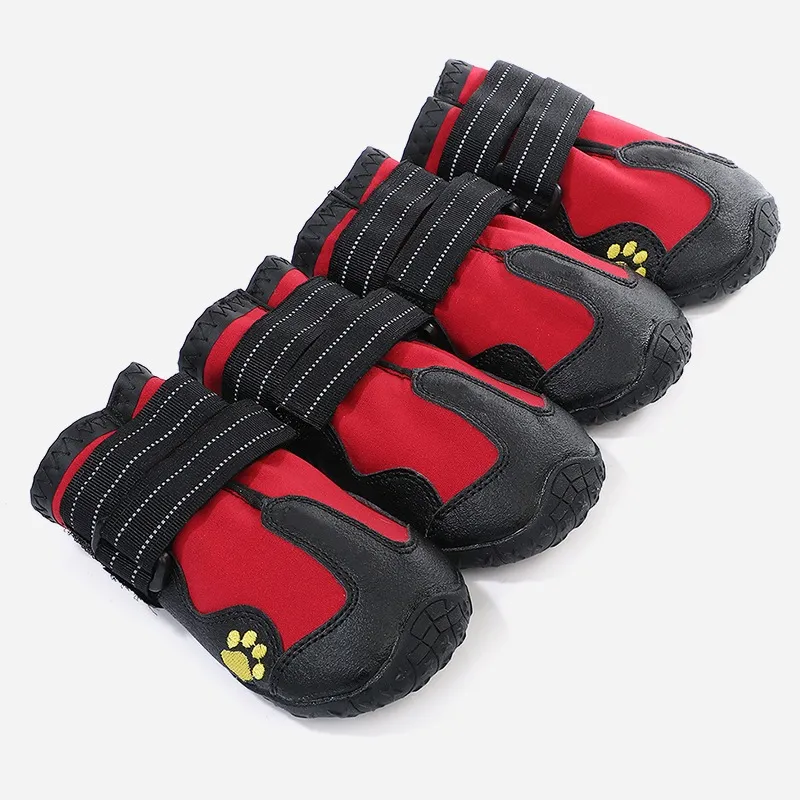
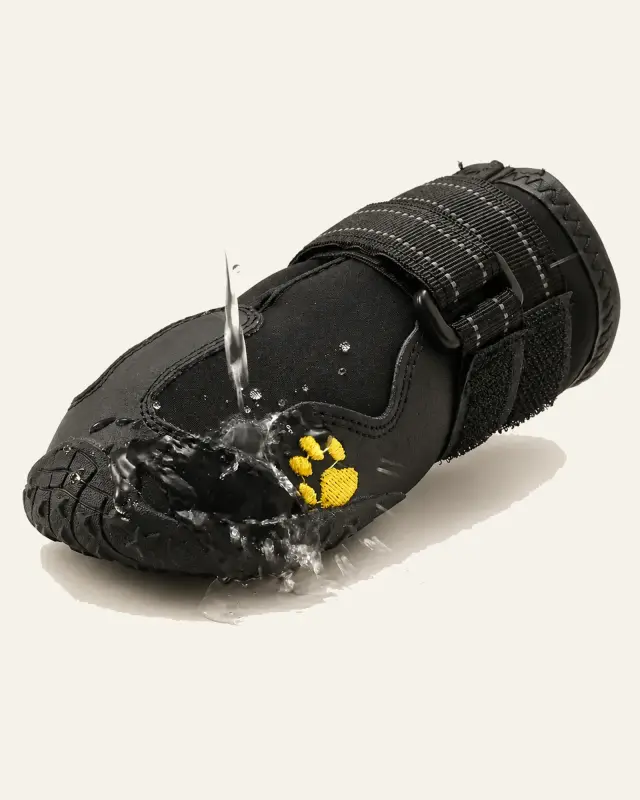 In our shopSlush-Proof Dog BootsWaterproof, rubber-soled, with reflective straps.$64.00Shop
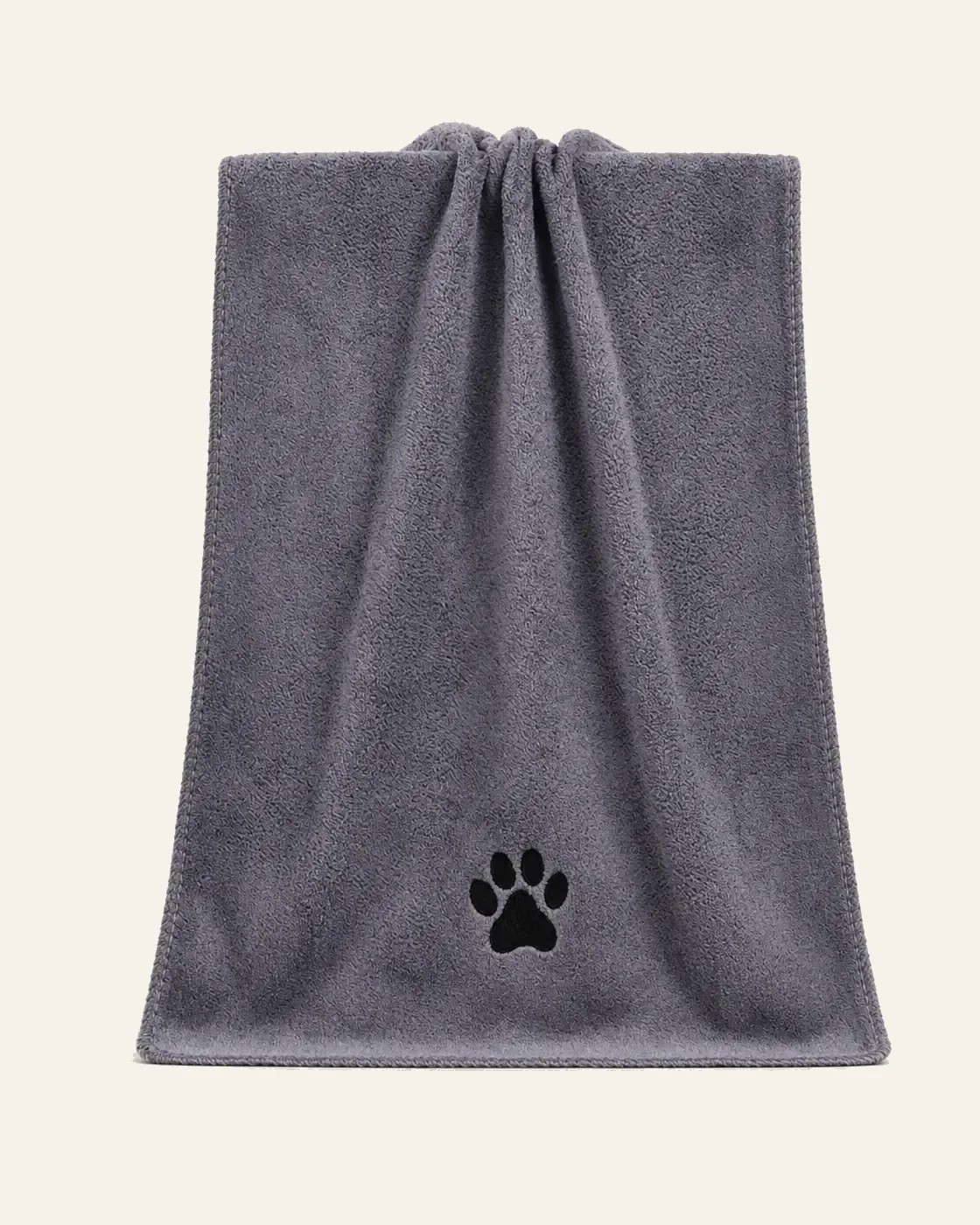
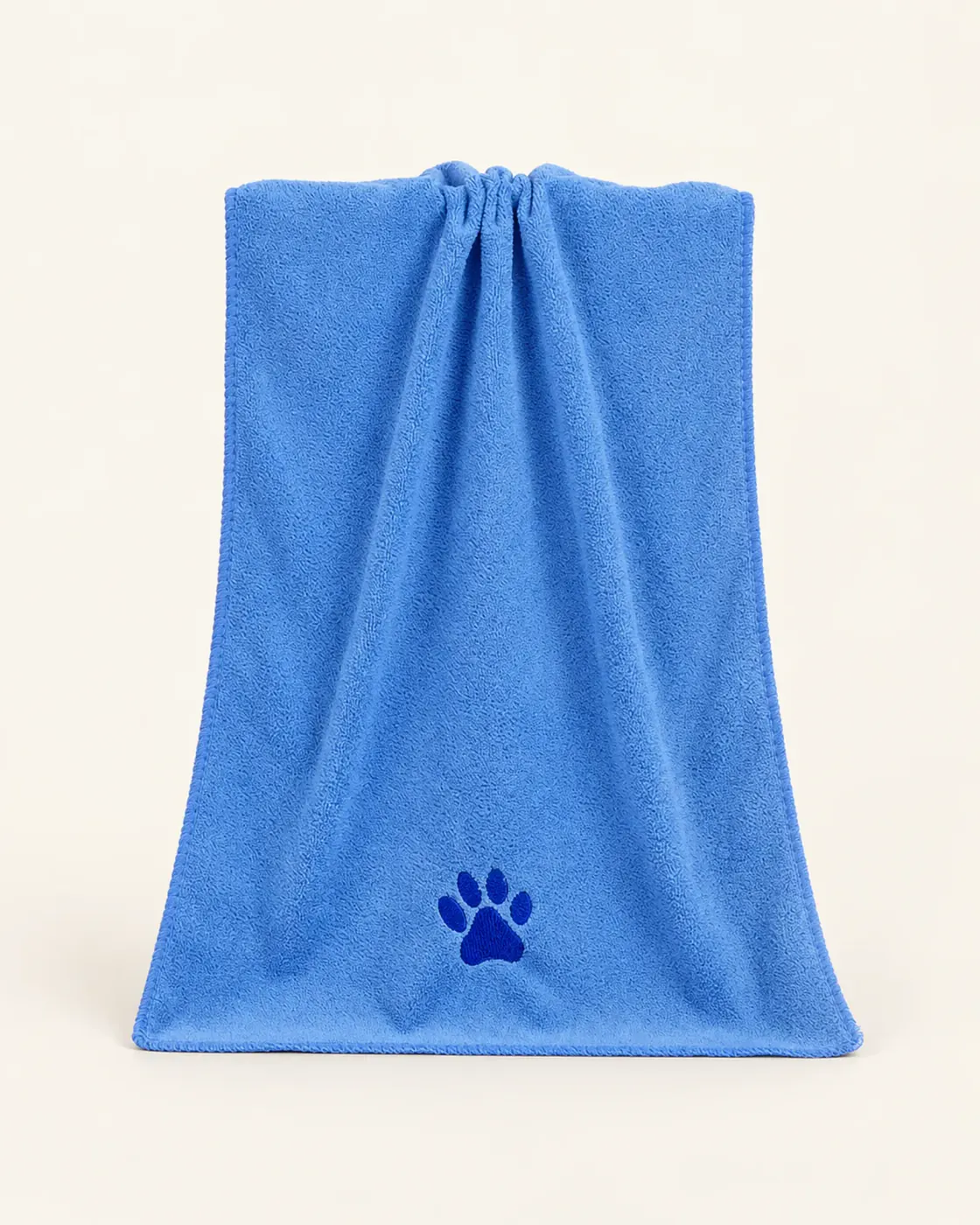
Dry them off when you get home
A quick routine for cold days
- Check the feels-like temperature, not just the number.
- Coat on before you open the door, not halfway down the block.
- Boots on if the sidewalks are salted, icy or below about −10°C.
- Split one long walk into two or three short ones.
- Wipe paws and dry the belly when you're back.
- Check between the toes for ice balls, cracks or redness.
The bottom line
Questions people ask
Is −10°C too cold to walk a dog?
Can dogs get frostbite on a walk?
Do huskies need coats in winter?
Should I use the actual temperature or the wind chill?
Sources we checked
- PetMD: How cold is too cold for your dog?
- Tufts Animal Care and Condition scales (weather safety scale and adjustments)
- VCA Animal Hospitals: Frostbite in dogs
Written by Northern Wag in Calgary and checked against the sources above. This is general information, not veterinary advice: if you're worried about your dog, call your vet.
Keep reading
All guides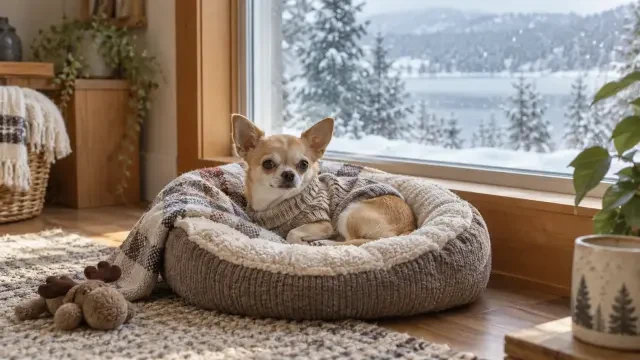
Winter3 min read
Keeping small dogs warm in a Canadian winter
Why small dogs get cold so fast, how short walks should be, snowsuit vs jacket, and tips for the coldest weeks.
Winter4 min read
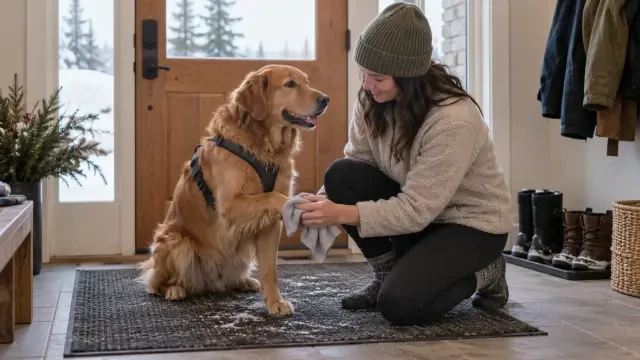
Road salt and your dog's paws: what it does and how to protect them
Why de-icing salt burns paw pads, why the licking matters as much as the walking, and a two-minute routine that fixes most of it.
Winter3 min read
Do dogs need boots in winter? An honest answer
Not every dog needs them. Here's exactly when boots help, when they don't, and what makes a pair stay on.