Winter
Road salt and your dog's paws: what it does and how to protect them
Why de-icing salt burns paw pads, why the licking matters as much as the walking, and a two-minute routine that fixes most of it.

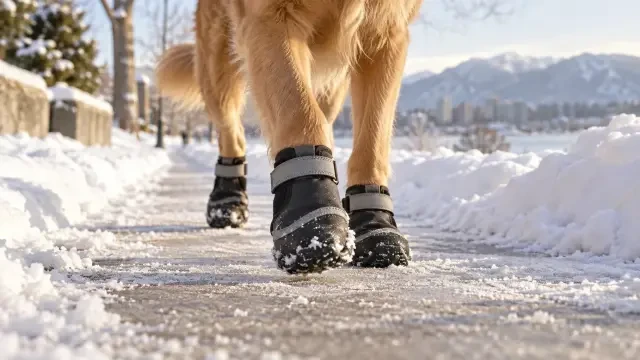
AI-generated illustration. Product photos on our product pages are real photos of what ships.
The short answer
- De-icers (sodium, calcium, magnesium or potassium chloride) can dry, crack and chemically burn paw pads.
- The bigger risk for many dogs is licking salt off their paws afterwards.
- Rinse paws in plain lukewarm water after salted walks, then dry between the toes.
- Boots stop the problem before it starts, and help on ice too.
On this page (6 sections)
What road salt does to paws
- Dry and crack the pads. Salt pulls moisture out of skin, and cracked pads sting on the next walk.
- Burn. Some de-icers, calcium chloride especially, release heat as they dissolve and can irritate or chemically burn pads.
- Sting in existing cuts. Winter pads are often already chapped from cold, so small cracks turn into sore spots.
Signs of salt irritation
- Limping or lifting paws partway through a walk
- Licking or chewing the feet a lot after walks
- Red, dry or cracked pads, or redness between the toes
- Paws that seem tender when you touch them
The two-minute after-walk routine
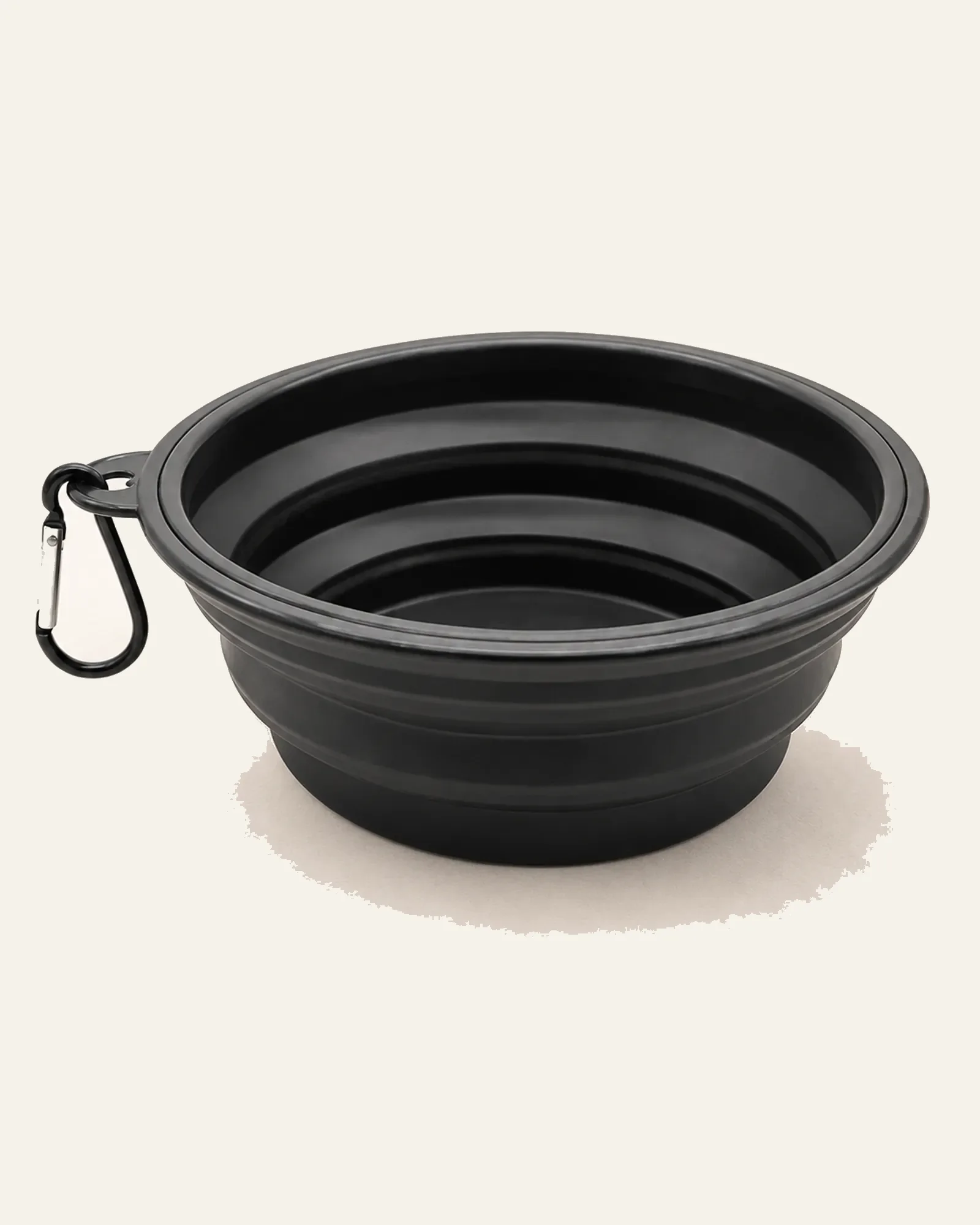
- 1Rinse. Dip each paw in lukewarm (not hot) water, or wipe with a damp cloth. A collapsible bowl by the door makes this a ten-second job.
- 2Massage the pads and spread the toes so water gets between them, where salt and ice balls collect.
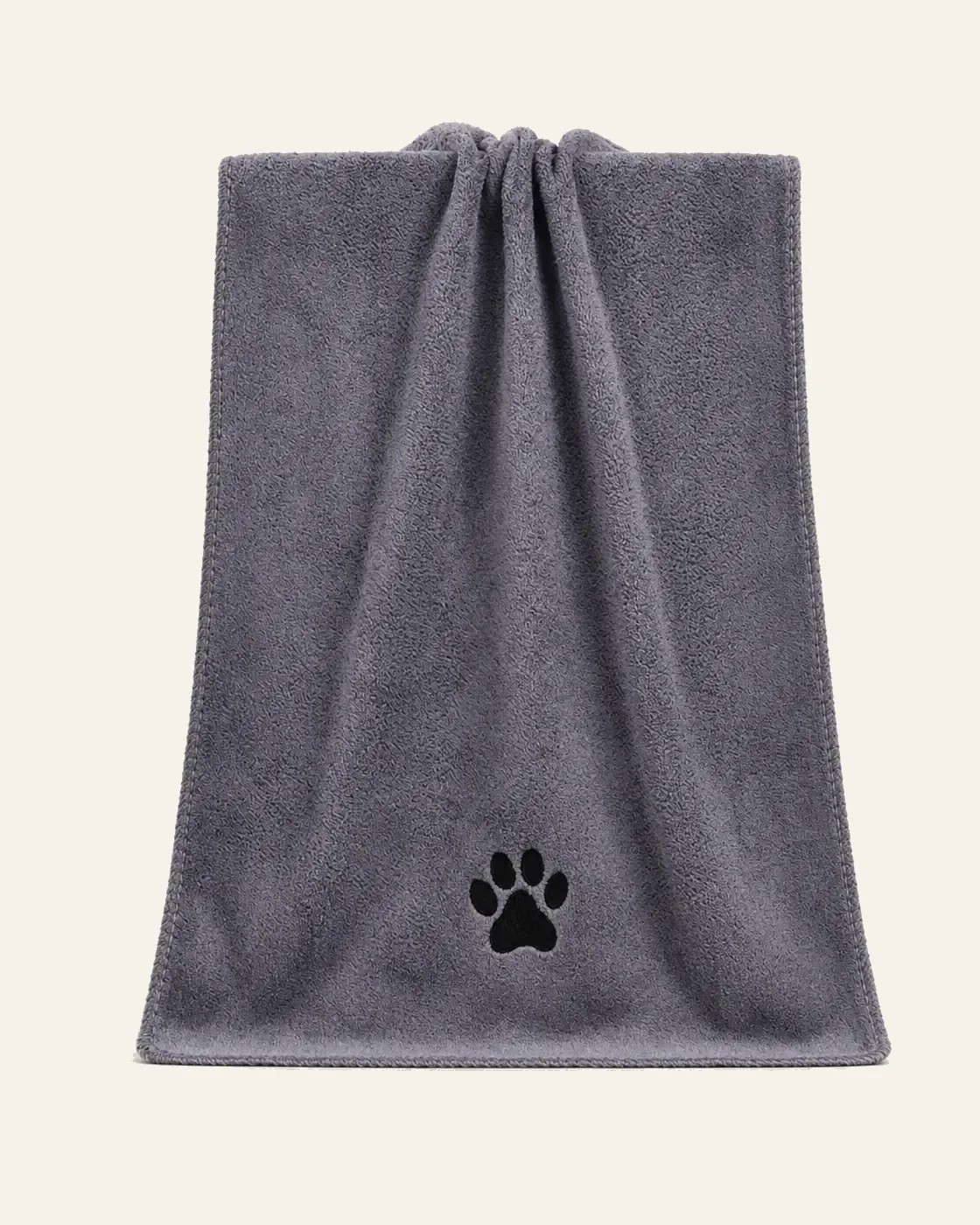
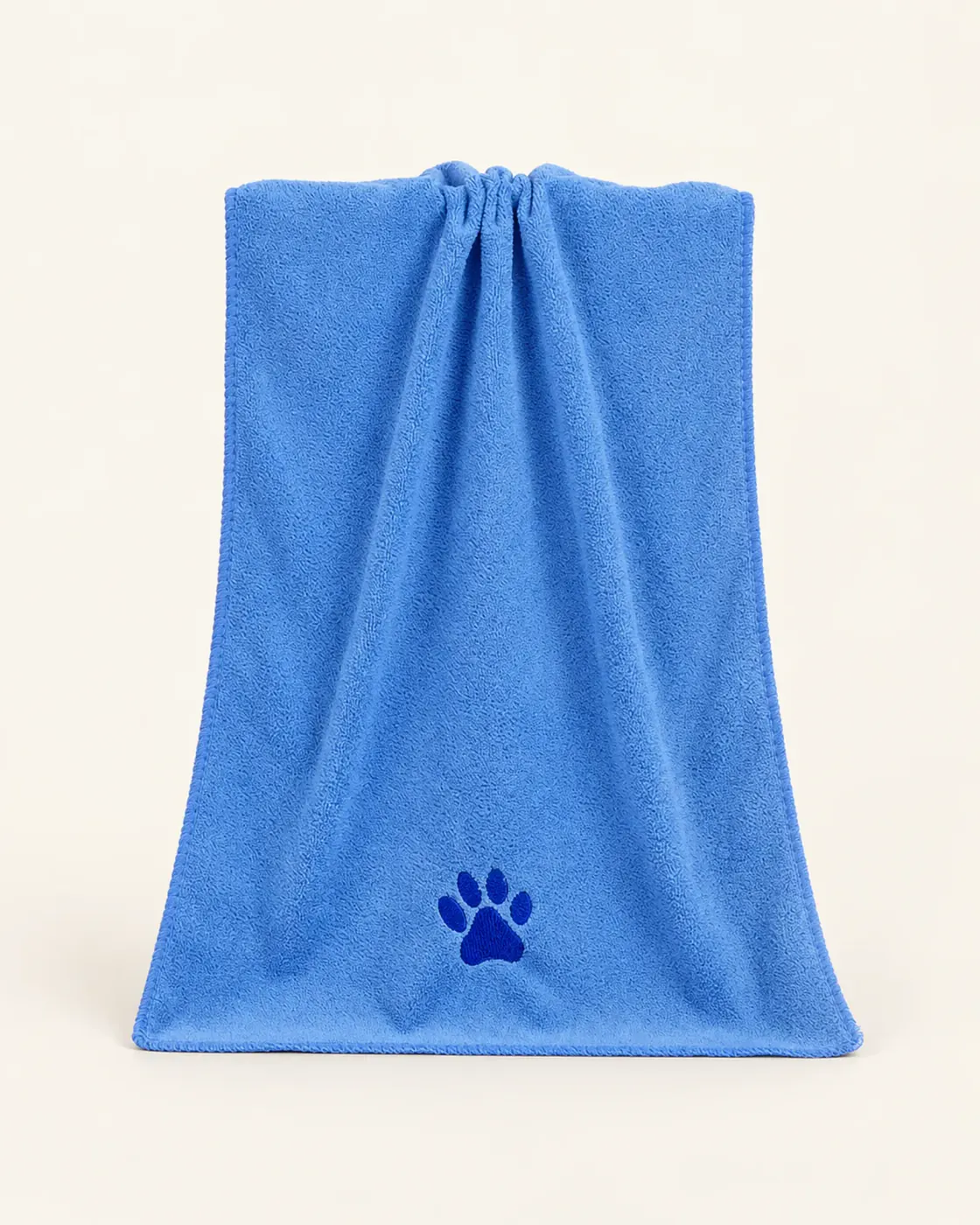
- 3Dry thoroughly, especially between the toes. Damp fur between the pads is where irritation starts.
- 4Check for cracks, redness or anything stuck between the toes.

Stop it before it starts: boots
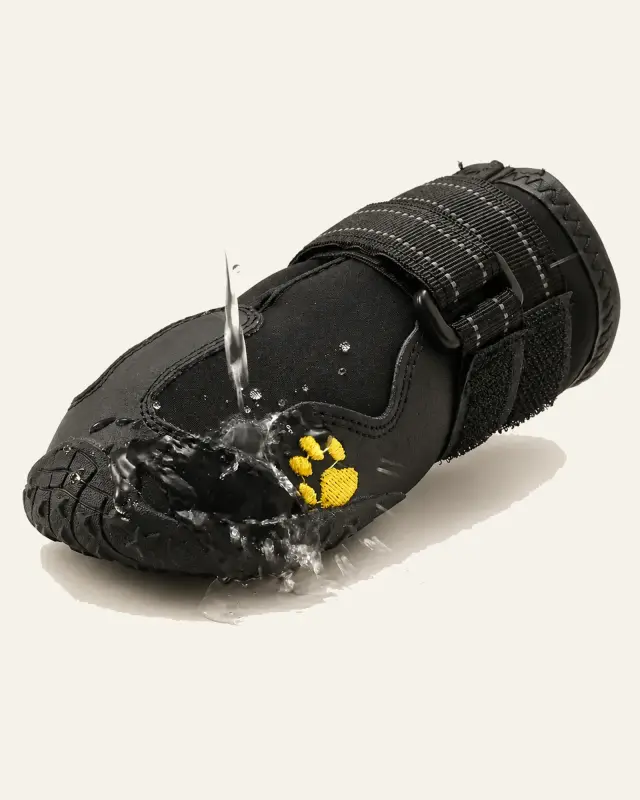 In our shopSlush-Proof Dog BootsWaterproof with rubber soles, so salt and slush never reach the pads.$64.00Shop
When to see a vet
The short version
Questions people ask
Is road salt toxic to dogs?
Are 'pet-safe' ice melts actually safe?
Do I need soap to wash salt off paws?
Do dog boots really help with salt?
Sources we checked
- CBC News: Why ice salt can be toxic for your pet
- Whole Dog Journal: Beware of rock salt and other ice-melting products
- Bond Vet: Is salt bad for dogs' paws?
Written by Northern Wag in Calgary and checked against the sources above. This is general information, not veterinary advice: if you're worried about your dog, call your vet.
Keep reading
All guides
Winter5 min read
How cold is too cold to walk your dog? A Celsius guide for Canadian winters
A feels-like chart in Celsius for every size of dog, the signs it's time to turn around, and what actually buys you more time outside.
Winter3 min read
Do dogs need boots in winter? An honest answer
Not every dog needs them. Here's exactly when boots help, when they don't, and what makes a pair stay on.

Winter3 min read
Keeping small dogs warm in a Canadian winter
Why small dogs get cold so fast, how short walks should be, snowsuit vs jacket, and tips for the coldest weeks.