Sizing & fit
How to measure your dog for a harness, coat, boots or collar
Chest, back, neck and paw width: exactly where to measure, with diagrams, so the first order fits.
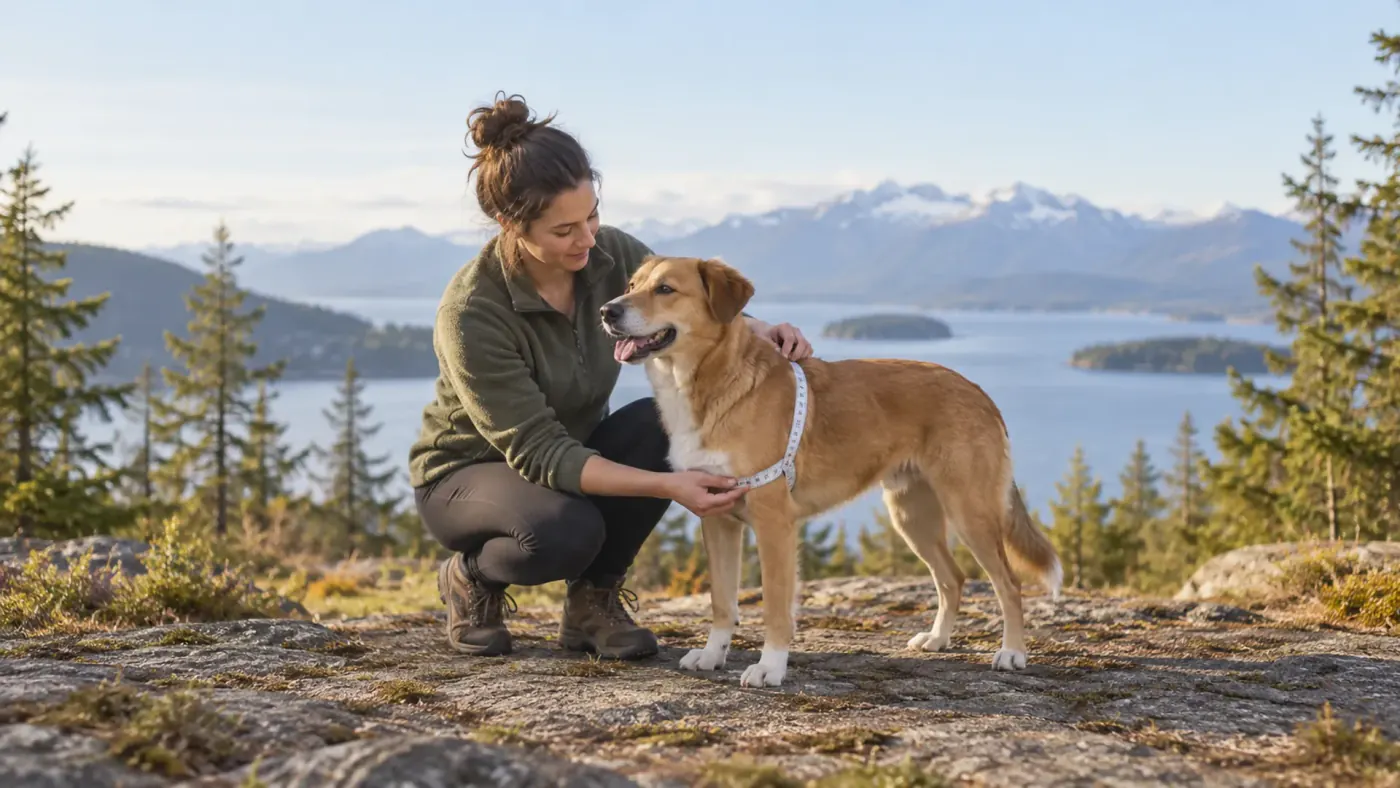
AI-generated illustration. Product photos on our product pages are real photos of what ships.
The short answer
- Use a soft tape measure, with your dog standing square.
- Chest girth (widest part, just behind the front legs) is the key number for harnesses and coats.
- Back length runs from the base of the neck to the base of the tail.
- Boots are sized by paw width, measured standing. When you're between sizes, size up.
On this page (7 sections)
1. Chest girth: the most important number
2. Back length
3. Neck
4. Paw width
Write it down
| Measurement | Used for | Where |
|---|---|---|
| Chest girth | Harnesses, coats, snowsuits | Widest part, just behind the front legs |
| Back length | Coats, snowsuits | Base of the neck to the base of the tail |
| Neck | Collars, snowsuits | Where a collar sits |
| Paw width | Boots | Widest part of the front paw, standing |
| Weight | Double-check only | Scale or vet records |
Between sizes? Size up
Checking the fit when it arrives
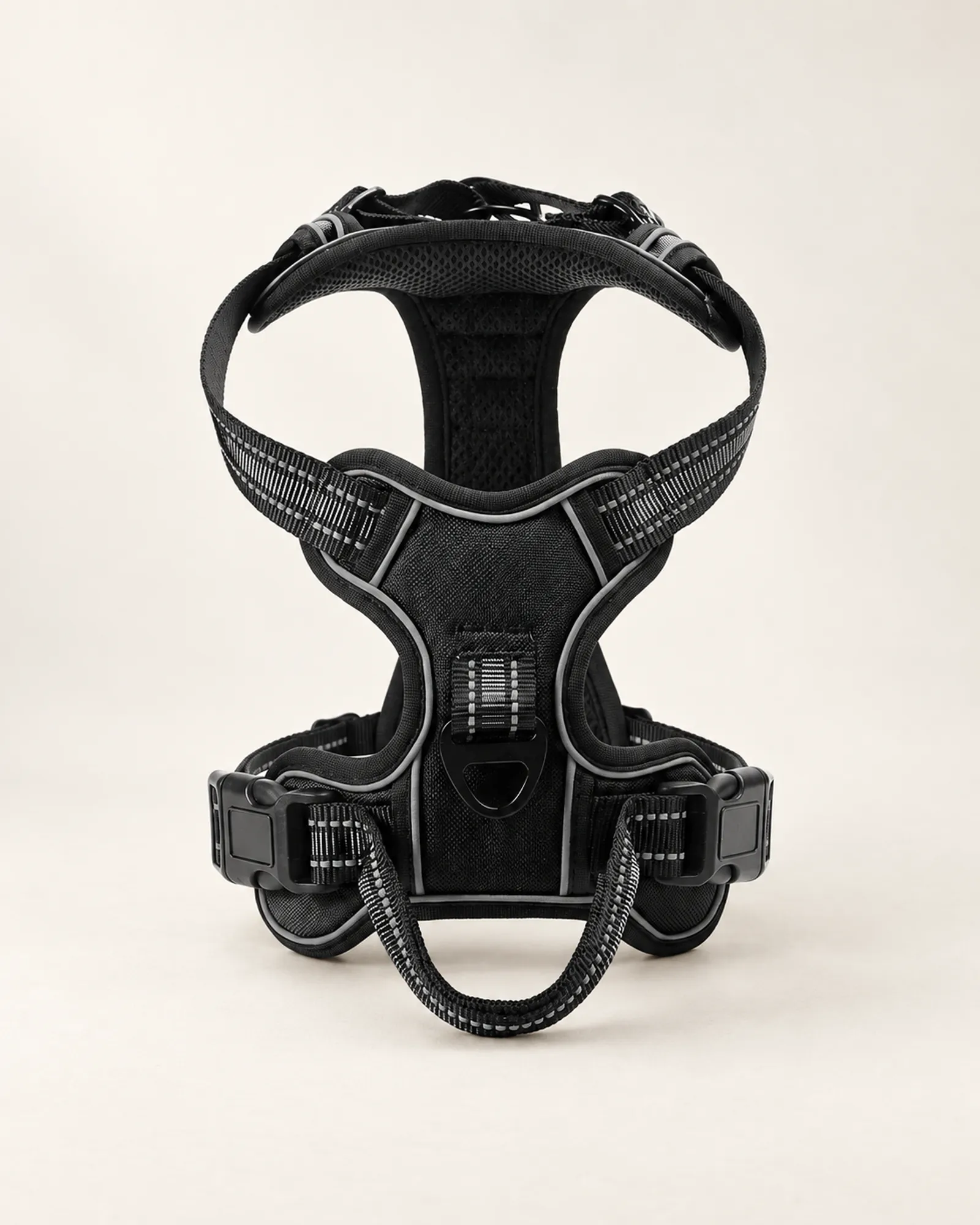
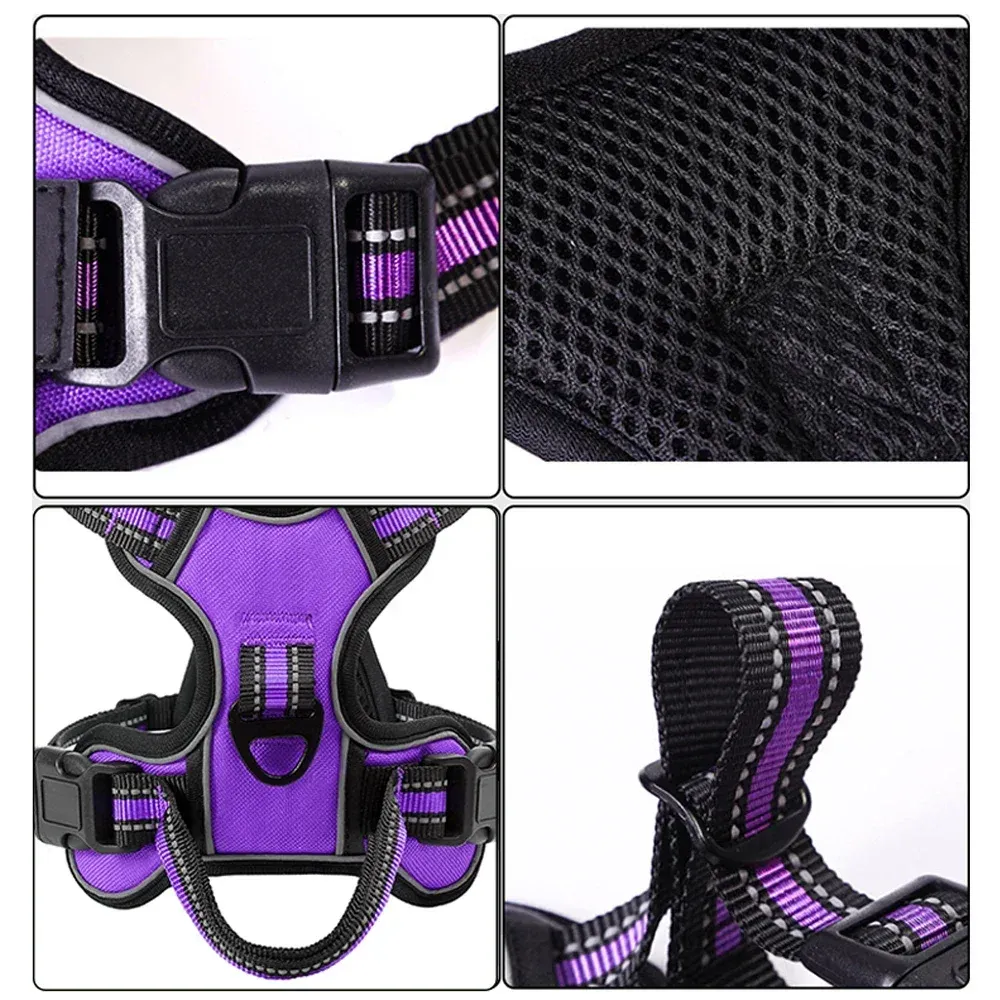
- Harness: two fingers fit flat under every strap, and it doesn't slide into the armpits.
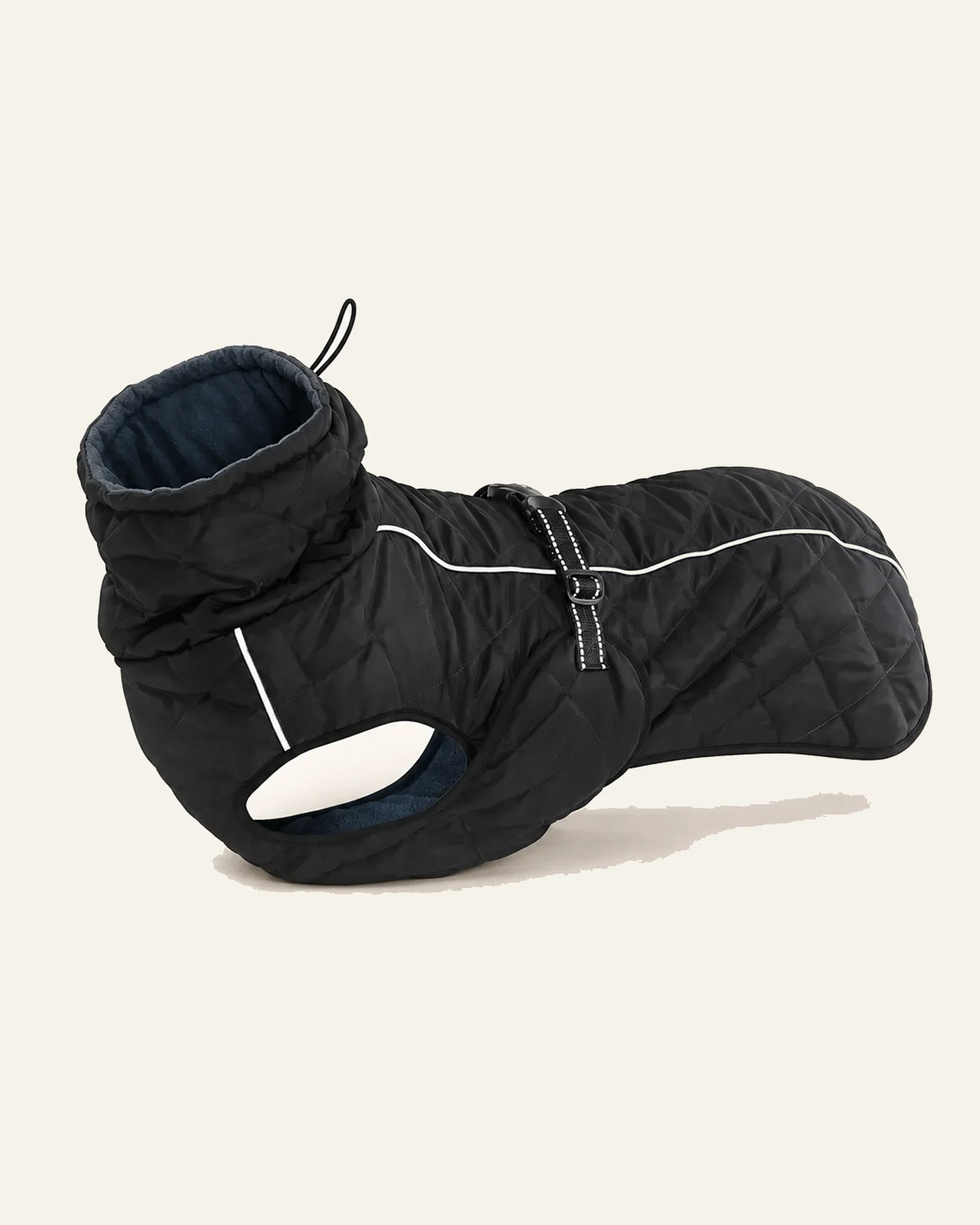
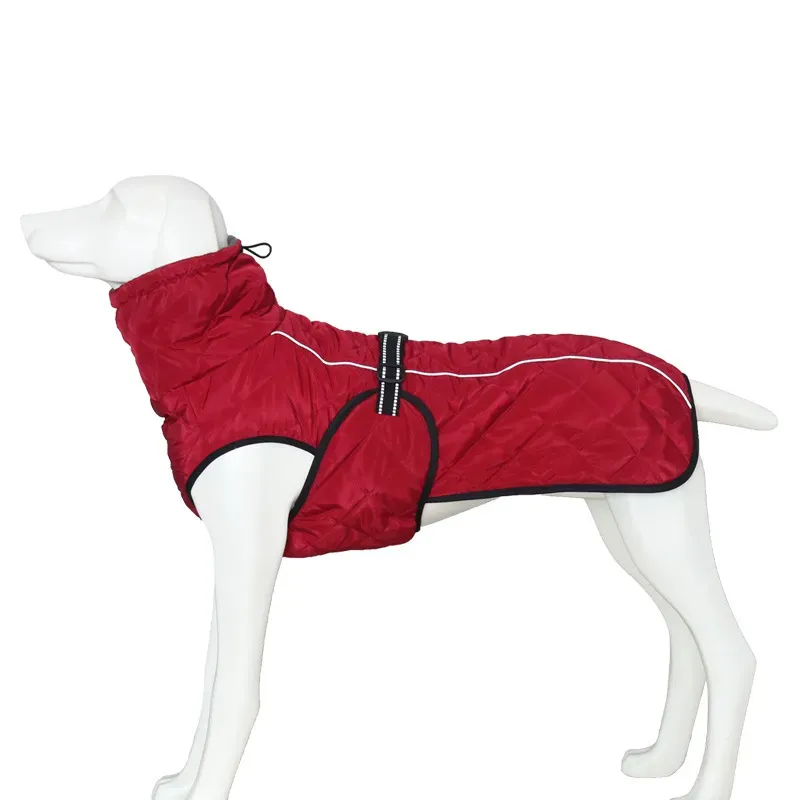
- Coat: reaches from the base of the neck to near the tail; your dog can sit and squat without it pulling.
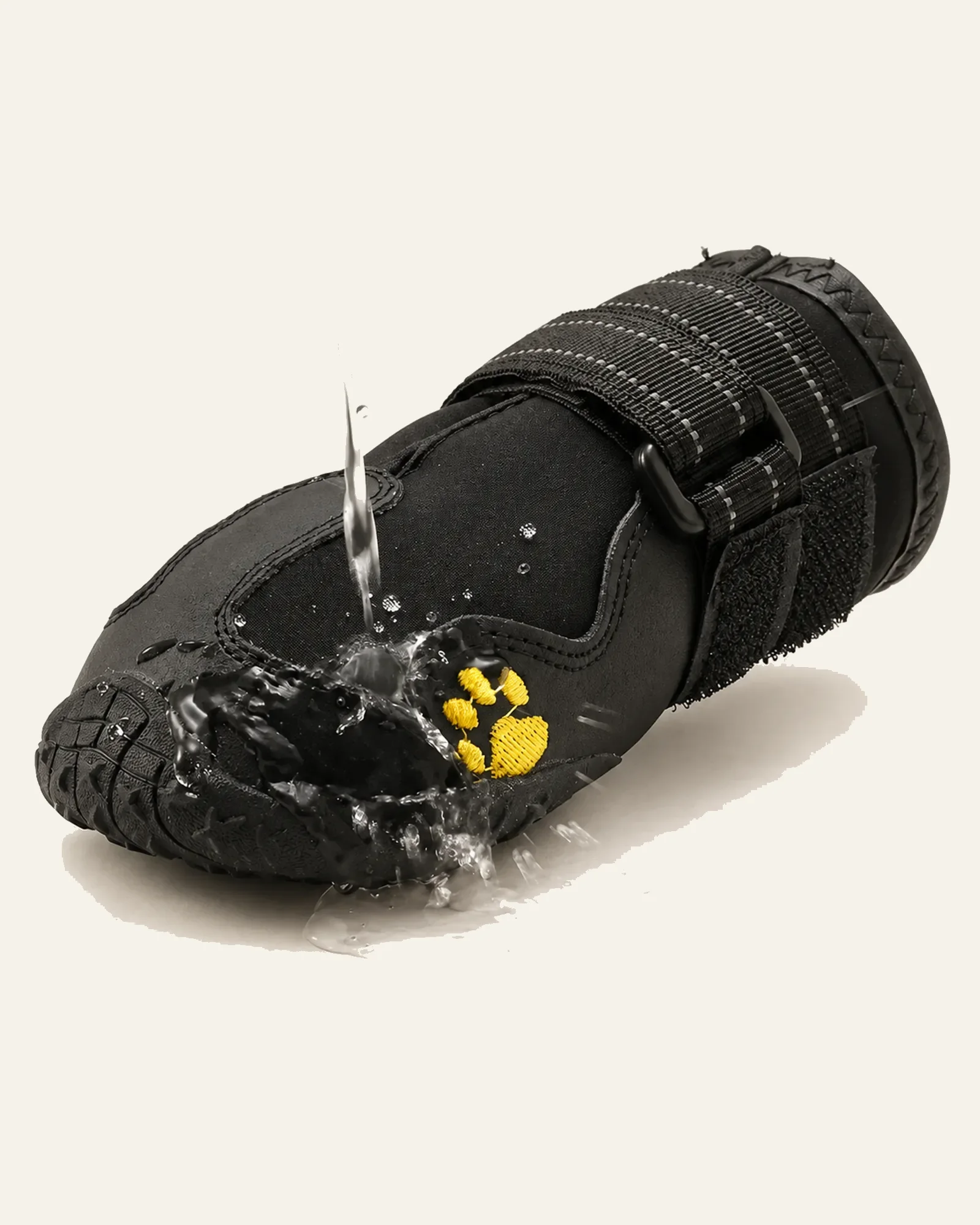
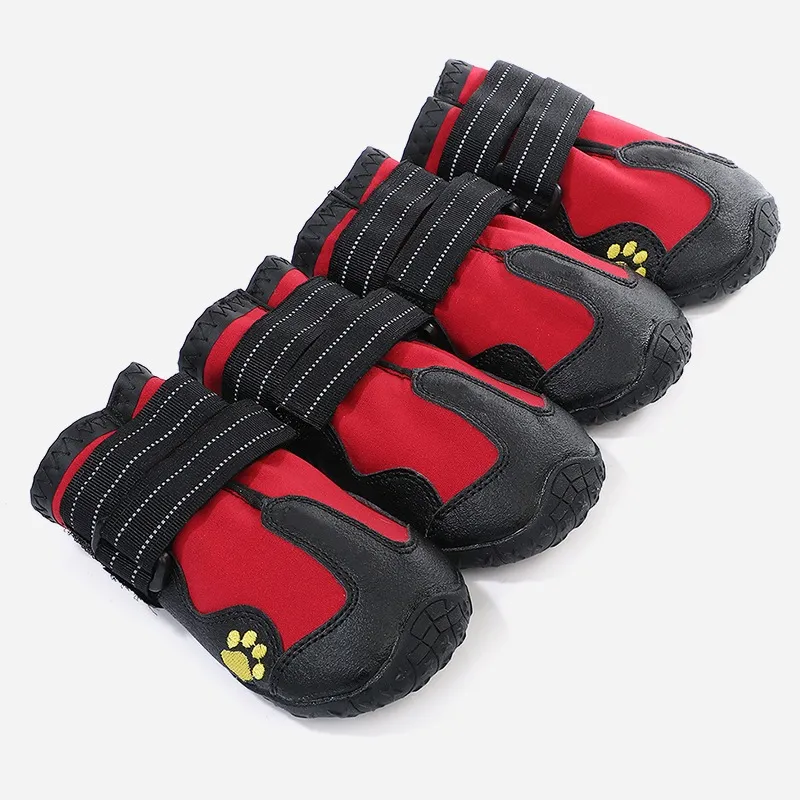
- Boots: the strap closes snugly above the dewclaw, and the boot doesn't spin when your dog walks.
- Collar: two fingers fit under it, and it doesn't slip over the ears.
Questions people ask
What if I don't have a soft tape measure?
Should I size up or down if my dog is between sizes?
Can I just go by my dog's weight?
How tight should a harness be?
Sources we checked
Written by Northern Wag in Calgary and checked against the sources above. This is general information, not veterinary advice: if you're worried about your dog, call your vet.
Keep reading
All guides
Winter5 min read
How cold is too cold to walk your dog? A Celsius guide for Canadian winters
A feels-like chart in Celsius for every size of dog, the signs it's time to turn around, and what actually buys you more time outside.
Winter3 min read
Keeping small dogs warm in a Canadian winter
Why small dogs get cold so fast, how short walks should be, snowsuit vs jacket, and tips for the coldest weeks.
Health & safety3 min read
Frostbite and hypothermia in dogs: the signs and what to do
How to recognise frostbite and each stage of hypothermia, safe first steps while you call the vet, and what not to do.