Winter
Keeping small dogs warm in a Canadian winter
Why small dogs get cold so fast, how short walks should be, snowsuit vs jacket, and tips for the coldest weeks.
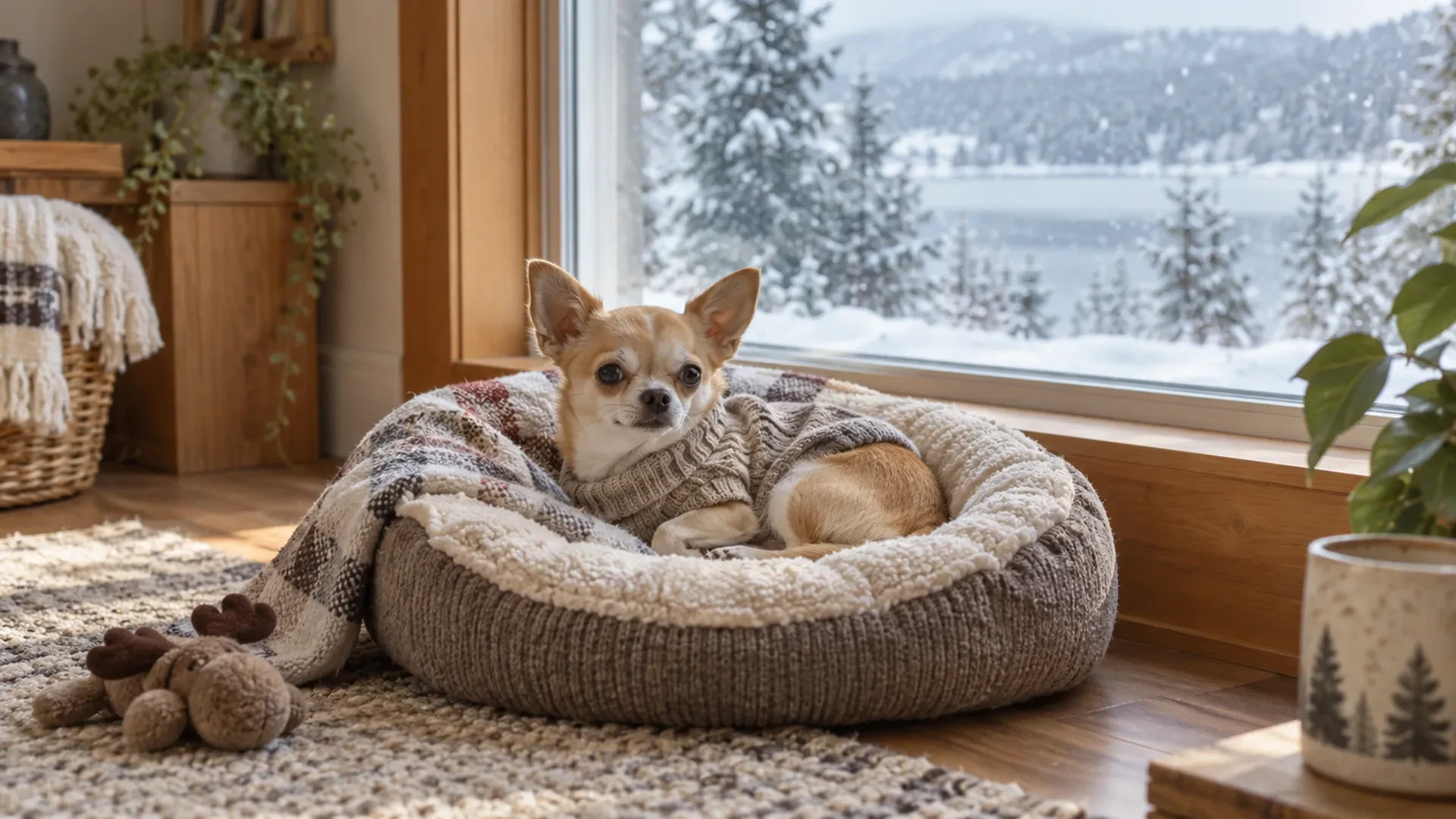
AI-generated illustration. Product photos on our product pages are real photos of what ships.
The short answer
- Small dogs lose heat fastest: more skin for their body size, less fat, and short legs close to the snow.
- Start watching for cold signs around 7°C and shorten walks from about 0°C.
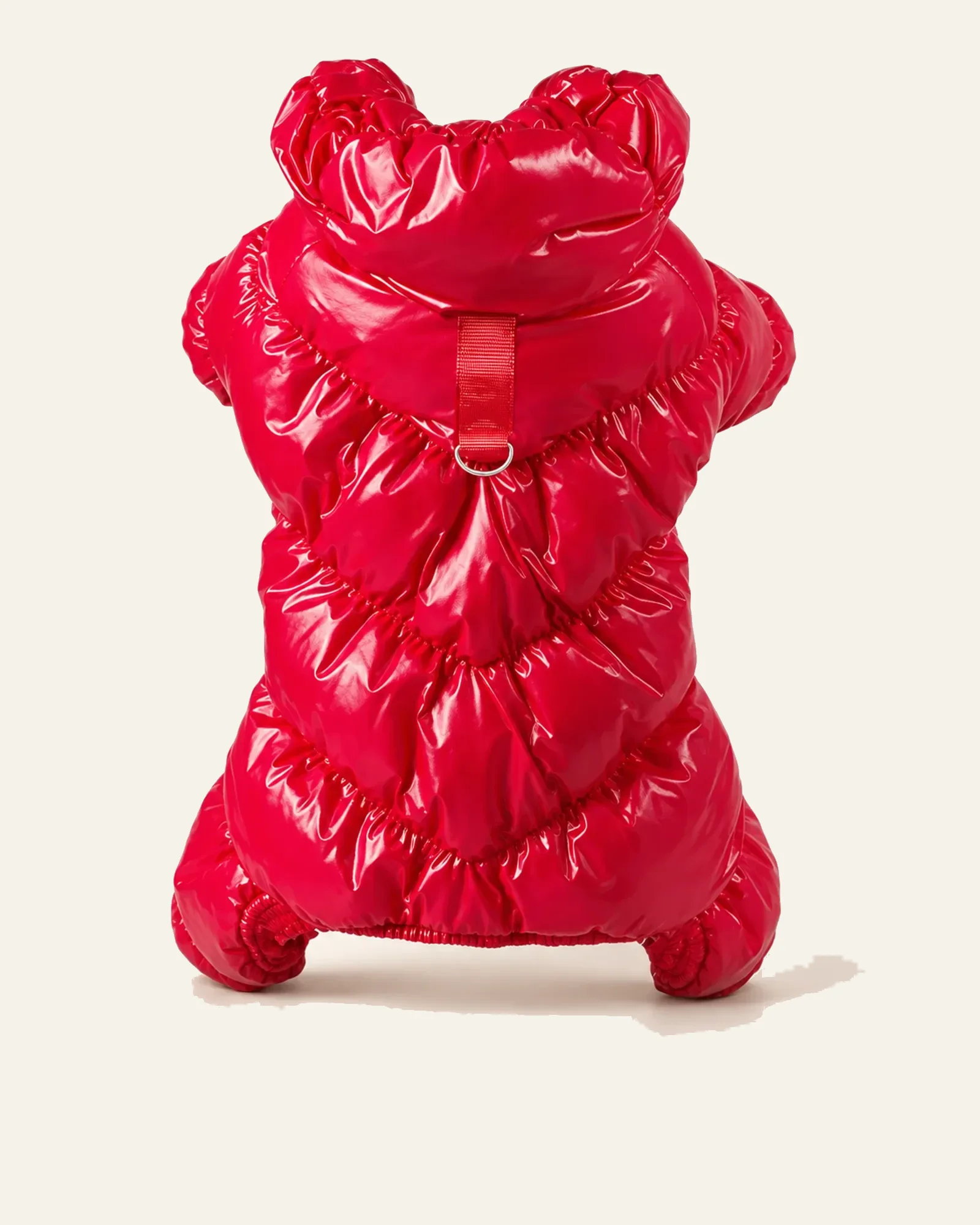
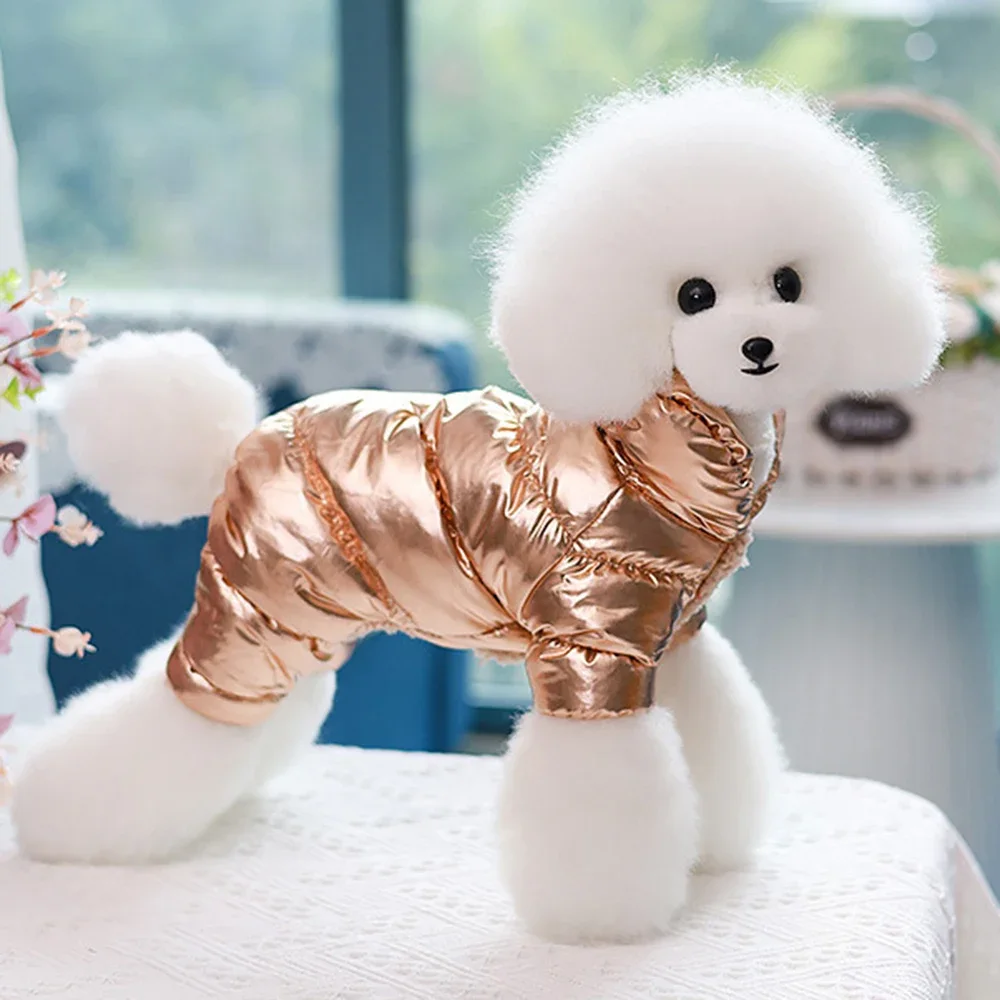
- For toy breeds, a full snowsuit beats a jacket because it covers the belly and legs.
- Several short outings beat one long walk on the coldest days.
On this page (5 sections)
Why small dogs get cold so quickly
- More skin for their size. Small bodies have a lot of surface area compared with their volume, so heat escapes faster.
- Less body fat to insulate.
- Short legs: the belly and chest are right in the snow.
- Thin or single coats on many toy breeds.
- Fewer calories to burn for warmth.
How long to walk
| Feels like | Plan |
|---|---|
| Above 7°C | Normal walks |
| 0 to 7°C | Normal walks, watch for shivering; coat for thin-coated dogs |
| −7 to 0°C | Shorter walks, coat on |
| Below −7°C | Short outings, snowsuit and boots |
| Below −15°C | Potty breaks only |
Snowsuit or jacket?
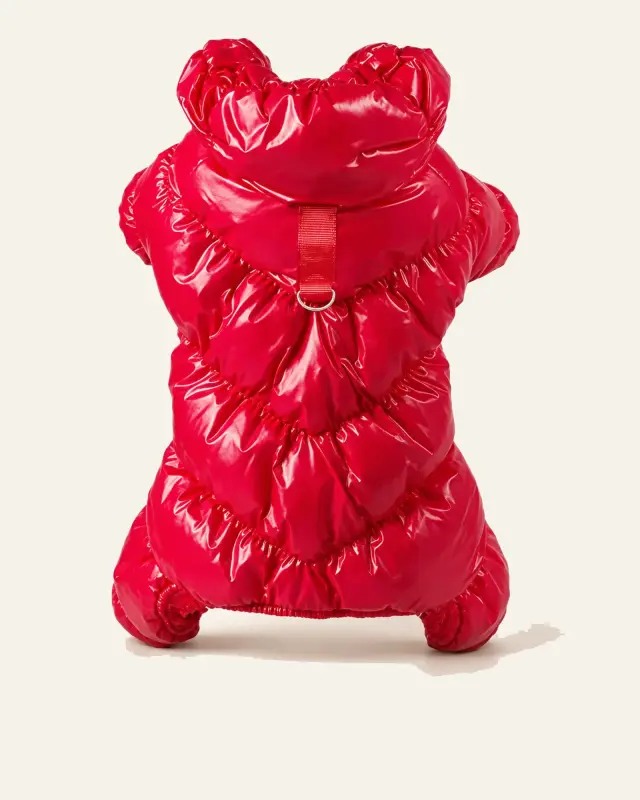 In our shopPuffer SnowsuitFleece-lined, covers all four legs, leash opening on the back. For dogs about 1 to 9 kg.$45.00Shop
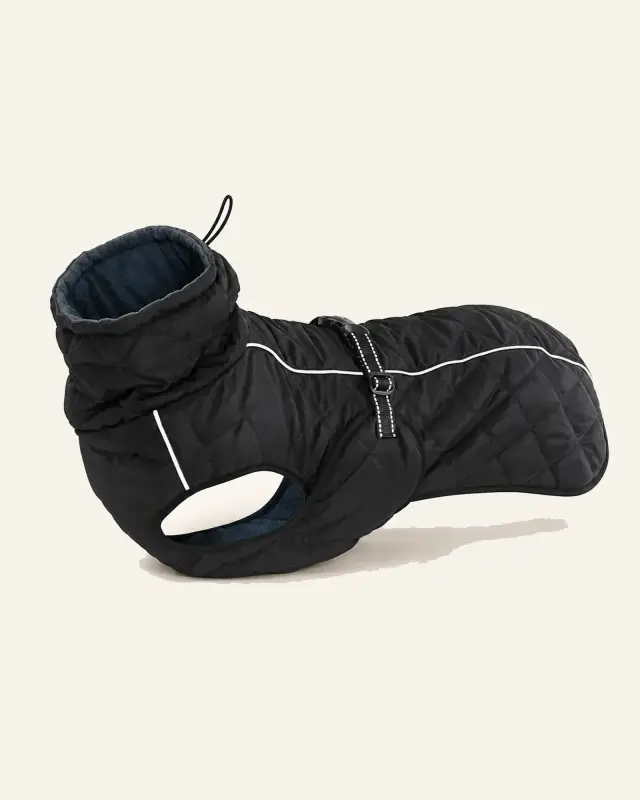 In our shopQuilted Winter JacketFor small dogs with longer legs: padded, high collar, reflective piping.$64.00Shop
Paws
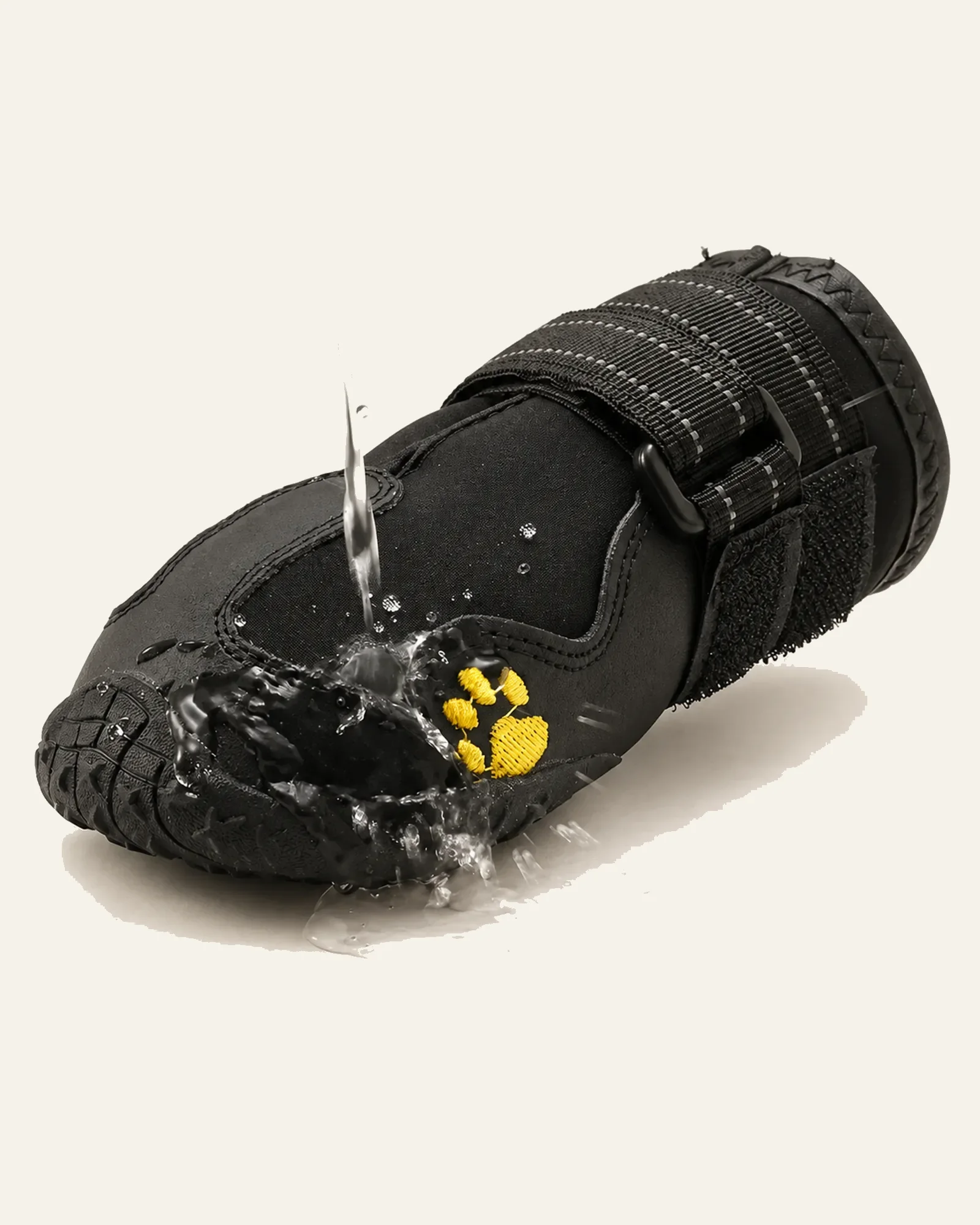
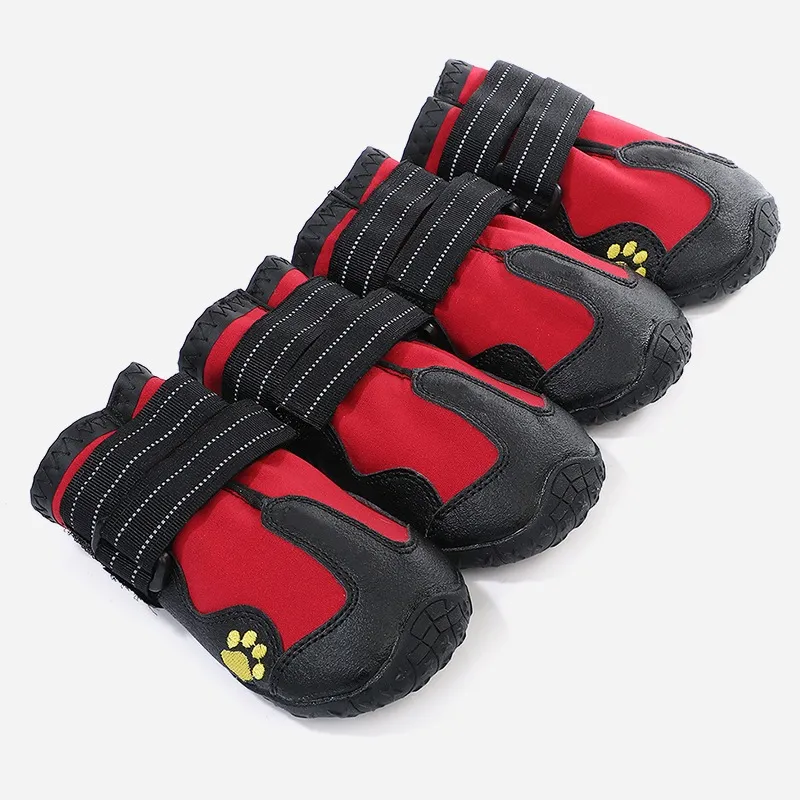
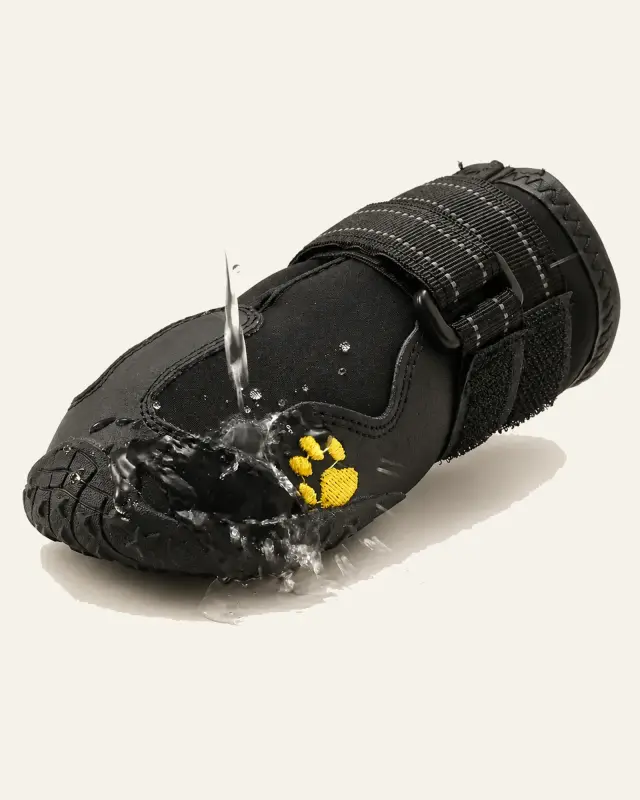 In our shopSlush-Proof Dog BootsAvailable from 4 cm paw width, with rubber soles.$64.00Shop
Indoor tips for the coldest weeks
- Bed off the floor and away from drafts from doors and windows.
- A blanket to burrow in. Many small dogs love a covered bed.
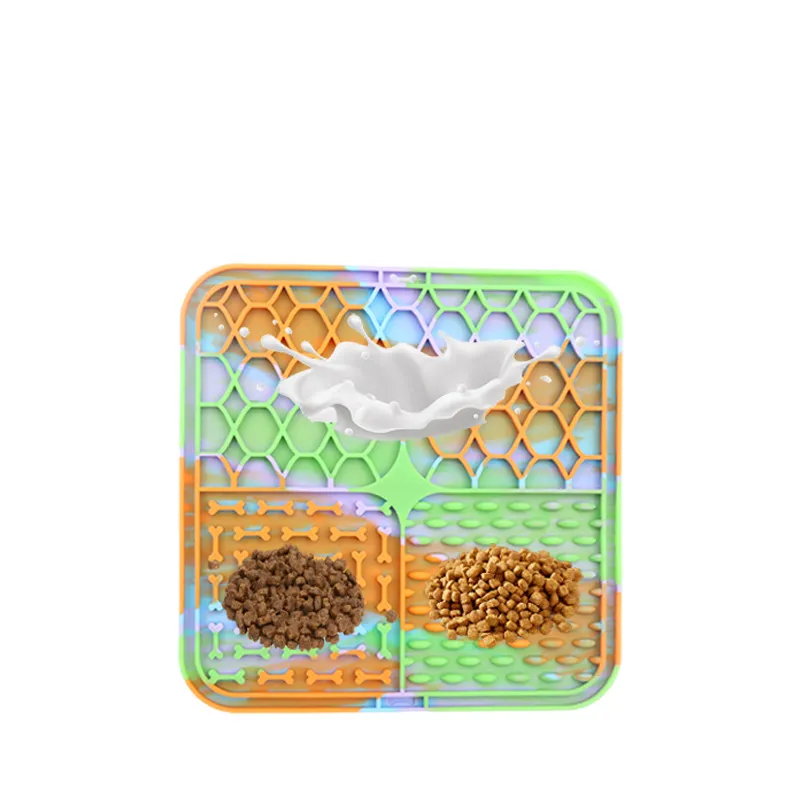
- Indoor games to burn energy when walks are short. See our 12 indoor games.
- Keep toilet trips quick: clear a patch of snow near the door.

Questions people ask
How cold is too cold for a chihuahua?
Should small dogs wear clothes indoors?
Snowsuit or jacket for a small dog?
Sources we checked
Written by Northern Wag in Calgary and checked against the sources above. This is general information, not veterinary advice: if you're worried about your dog, call your vet.
Keep reading
All guides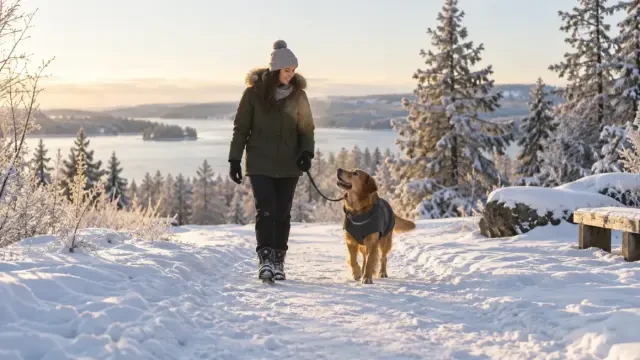
Winter5 min read
How cold is too cold to walk your dog? A Celsius guide for Canadian winters
A feels-like chart in Celsius for every size of dog, the signs it's time to turn around, and what actually buys you more time outside.
Winter3 min read
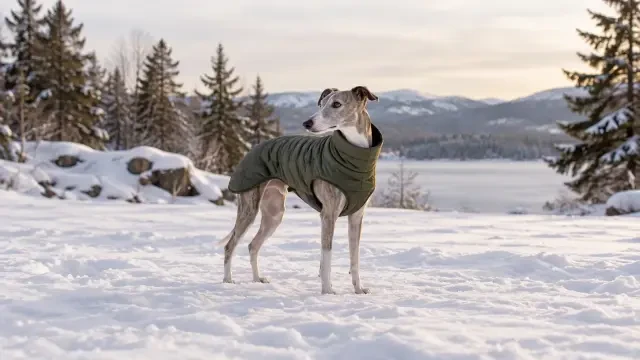
Does my dog need a winter coat? Breeds, signs and how to choose
Which dogs need a coat, which usually don't, the signs to look for, and how to pick one that fits.
Winter4 min read
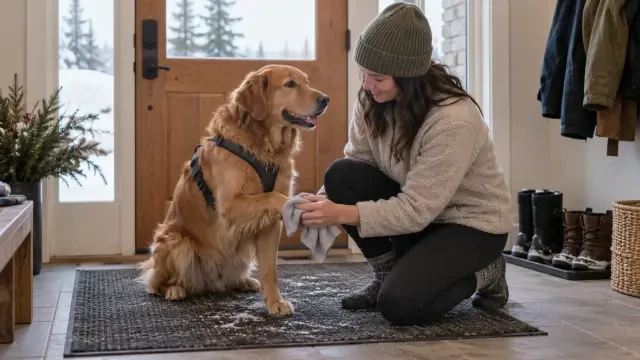
Road salt and your dog's paws: what it does and how to protect them
Why de-icing salt burns paw pads, why the licking matters as much as the walking, and a two-minute routine that fixes most of it.