Health & safety
Dog first-aid kit checklist: what to pack for home, car and trail
Everything to put in a dog first-aid kit, what each item is for, and the numbers to keep with it.
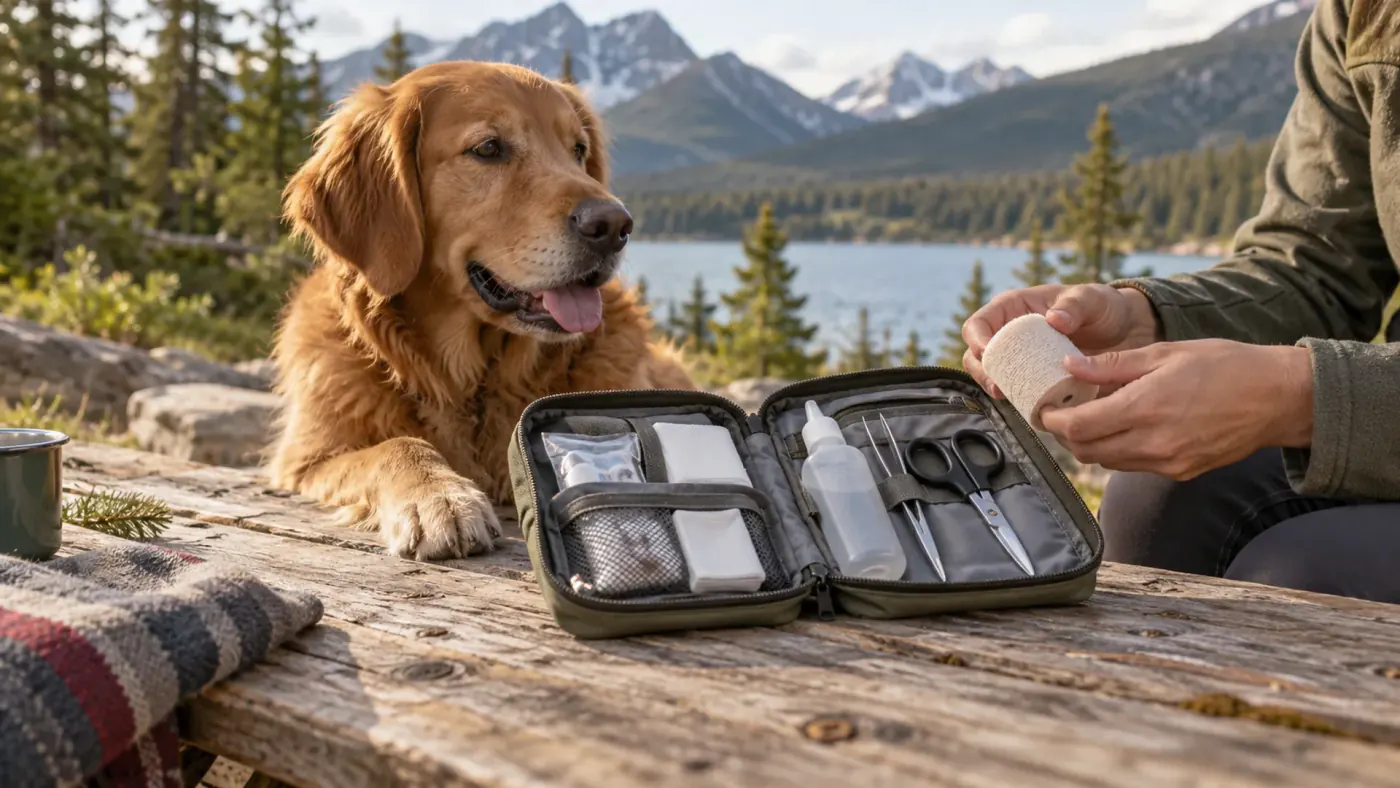
AI-generated illustration. Product photos on our product pages are real photos of what ships.
The short answer
- Keep the numbers first: your vet, the nearest 24-hour emergency clinic, and an animal poison helpline.
- The core kit is gauze, non-stick pads, self-adhering wrap, tape, blunt scissors, tweezers or a tick tool, saline, a digital thermometer and gloves.
- Pack a soft muzzle or a way to make one: hurt dogs can bite, even gentle ones.
- First aid buys time. It doesn't replace a vet.
On this page (5 sections)
Numbers first
- Your vet's phone number and address
- The nearest 24-hour emergency clinic (and one near the cottage or wherever you're travelling)
- An animal poison helpline (these services may charge a fee)
- Your dog's weight, medications, allergies and microchip number
The core kit
| Item | What it's for |
|---|---|
| Gauze pads and roll | Covering wounds, applying pressure to bleeding |
| Non-stick wound pads | Covering a wound without sticking to it |
| Self-adhering bandage wrap | Holding a dressing on a paw or leg (it sticks to itself, not fur) |
| Medical tape | Securing dressings |
| Blunt-tip scissors | Cutting bandages and trimming fur around a wound |
| Fine-point tweezers or a tick tool | Ticks, splinters, burrs |
| Sterile saline | Flushing wounds and eyes |
| Digital thermometer and lubricant | Checking temperature (normal is about 38 to 39.2 °C) |
| Disposable gloves | Keeping wounds clean |
| Styptic powder | Stopping bleeding from a nail cut too short |
| Soft muzzle | Hurt dogs can bite. Use only if breathing normally and not vomiting |
| Instant cold pack | Swelling and sprains (wrap it, never directly on skin) |
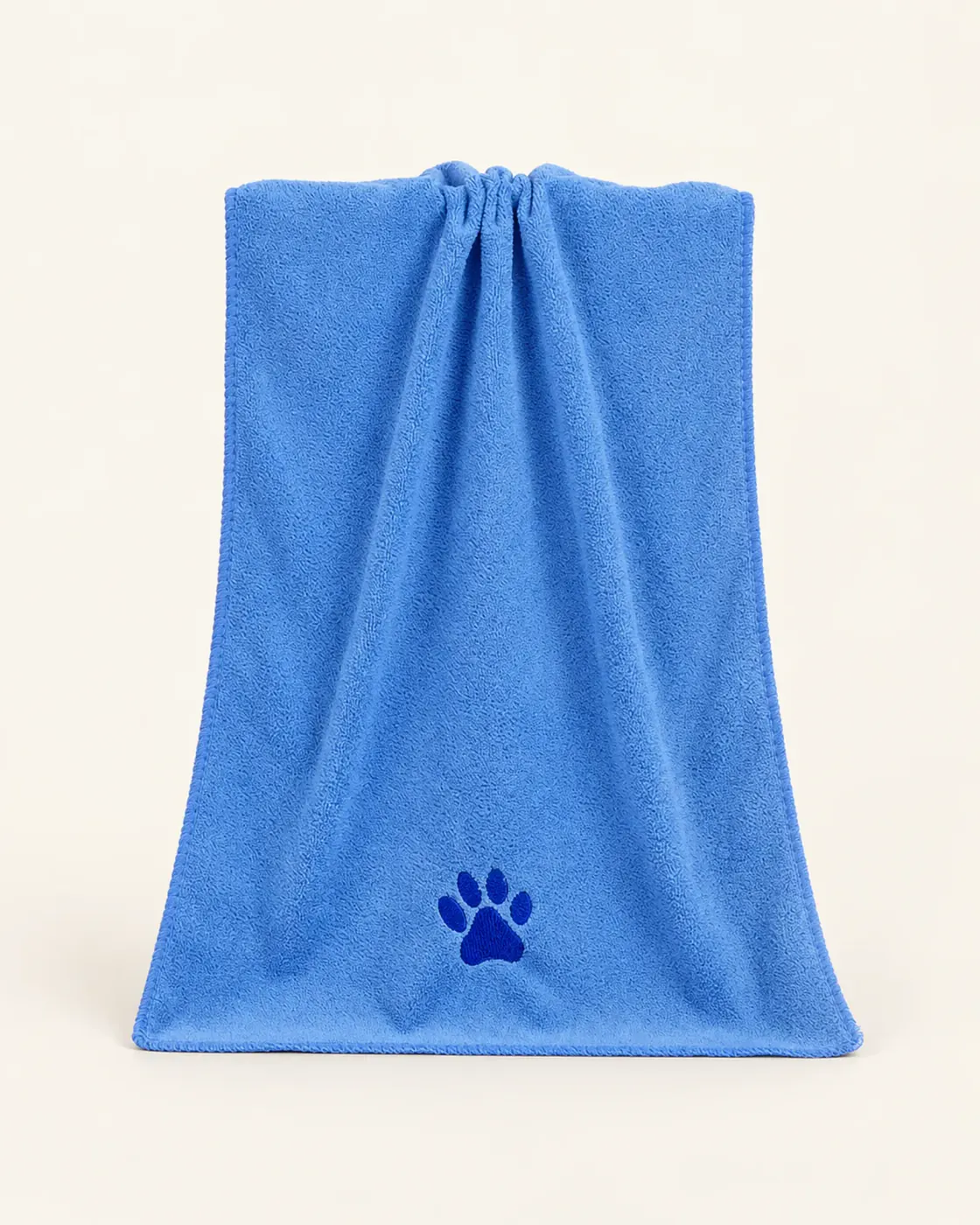
| Clean towel | Warming, drying, cleaning, or as a stretcher for small dogs |
| Spare leash | A slip lead for an escaped or injured dog |
| Copy of vaccine records | Needed at emergency clinics and borders |
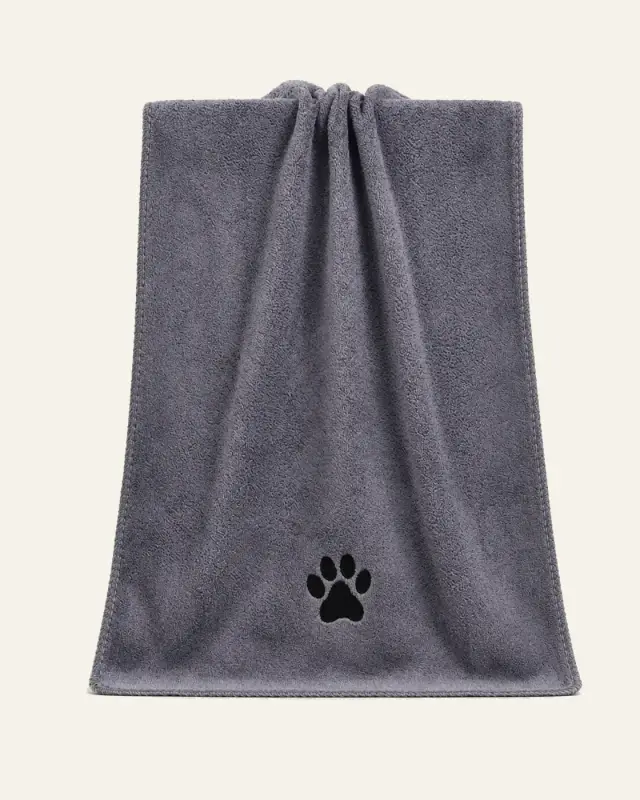 In our shopQuick-Dry Dog TowelThick microfibre that soaks up water fast: for cleaning up, drying off, or wrapping a cold dog.$26.00Shop
Extras for the car and the trail
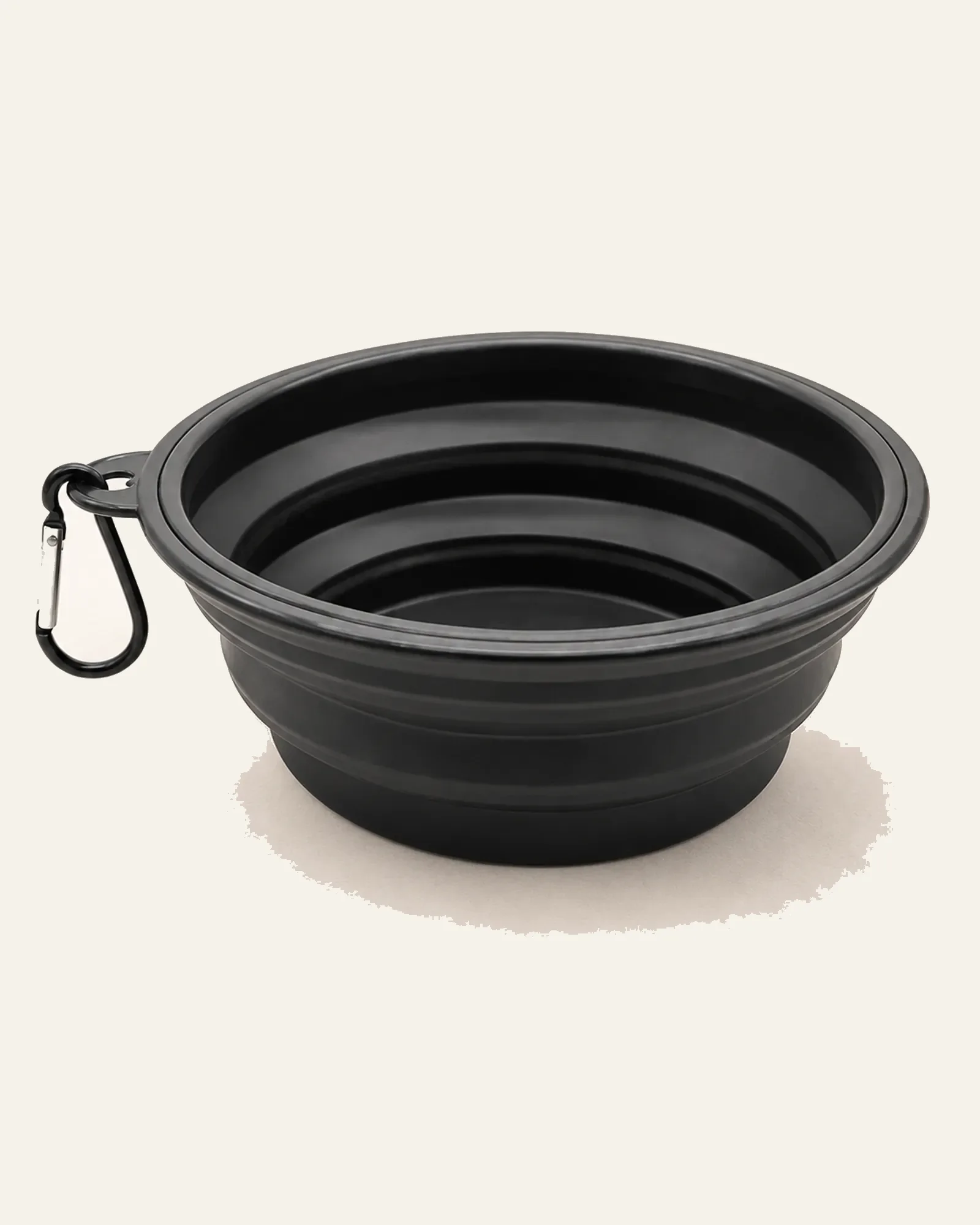
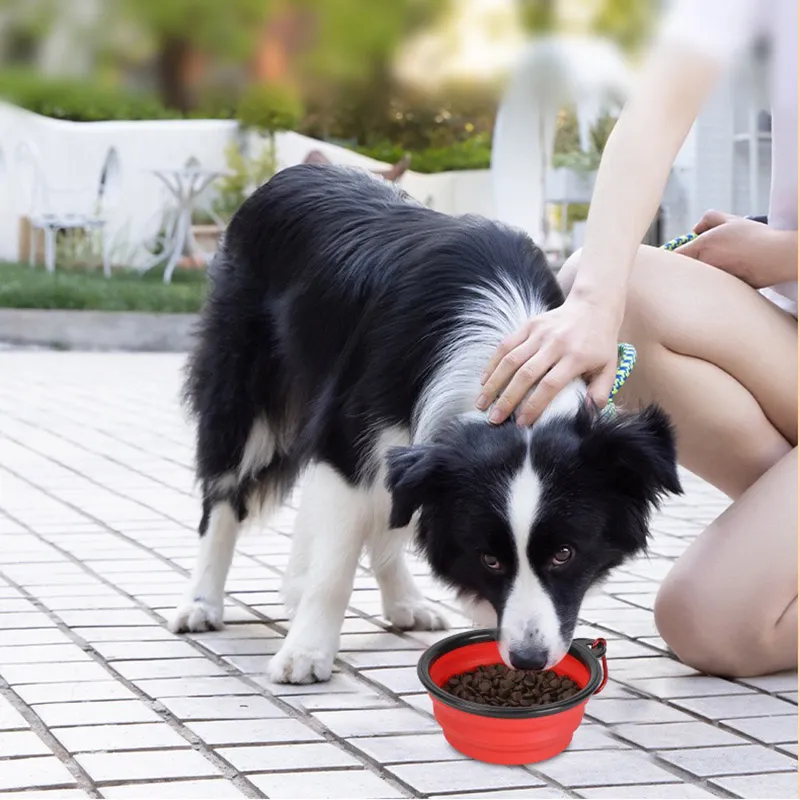
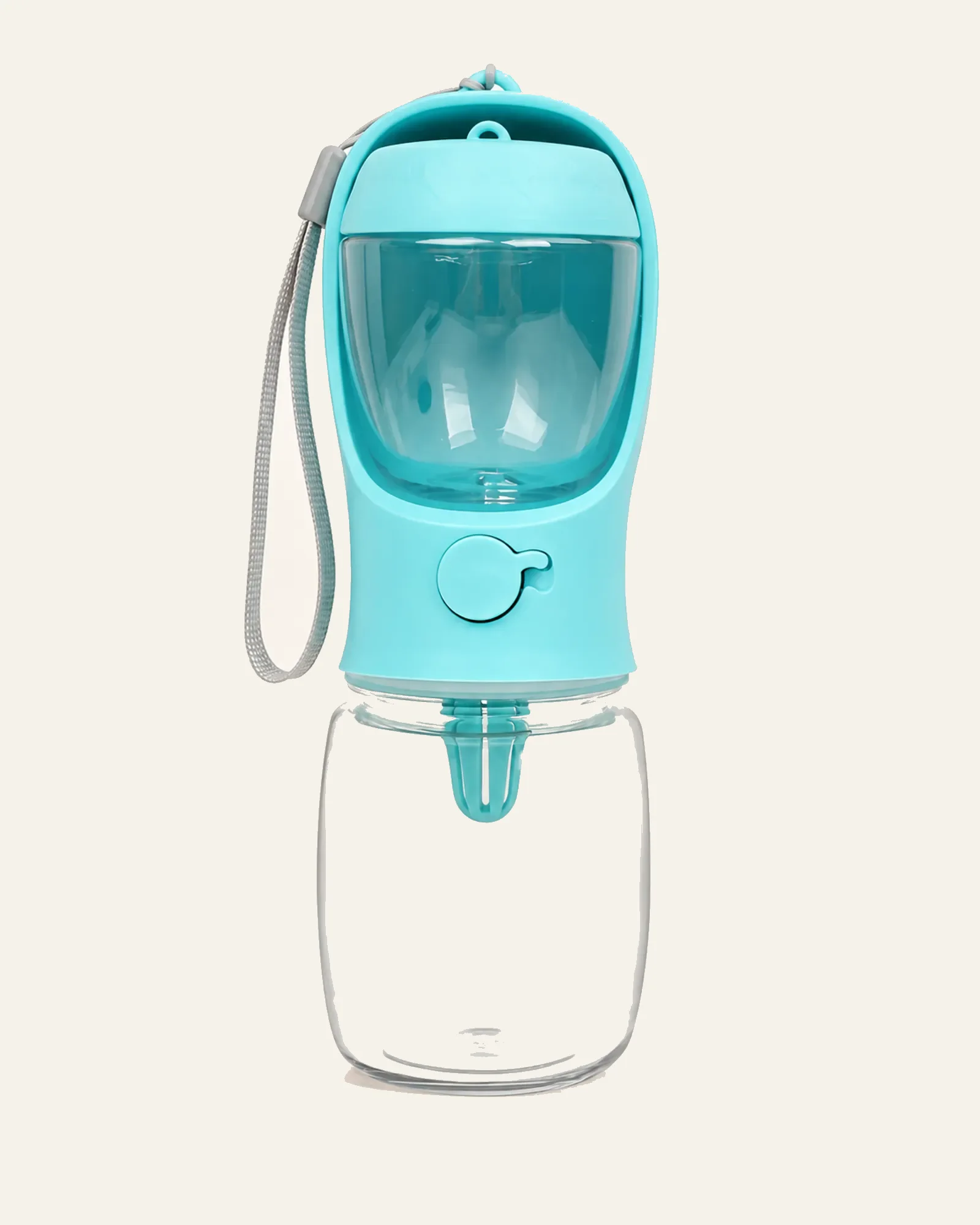
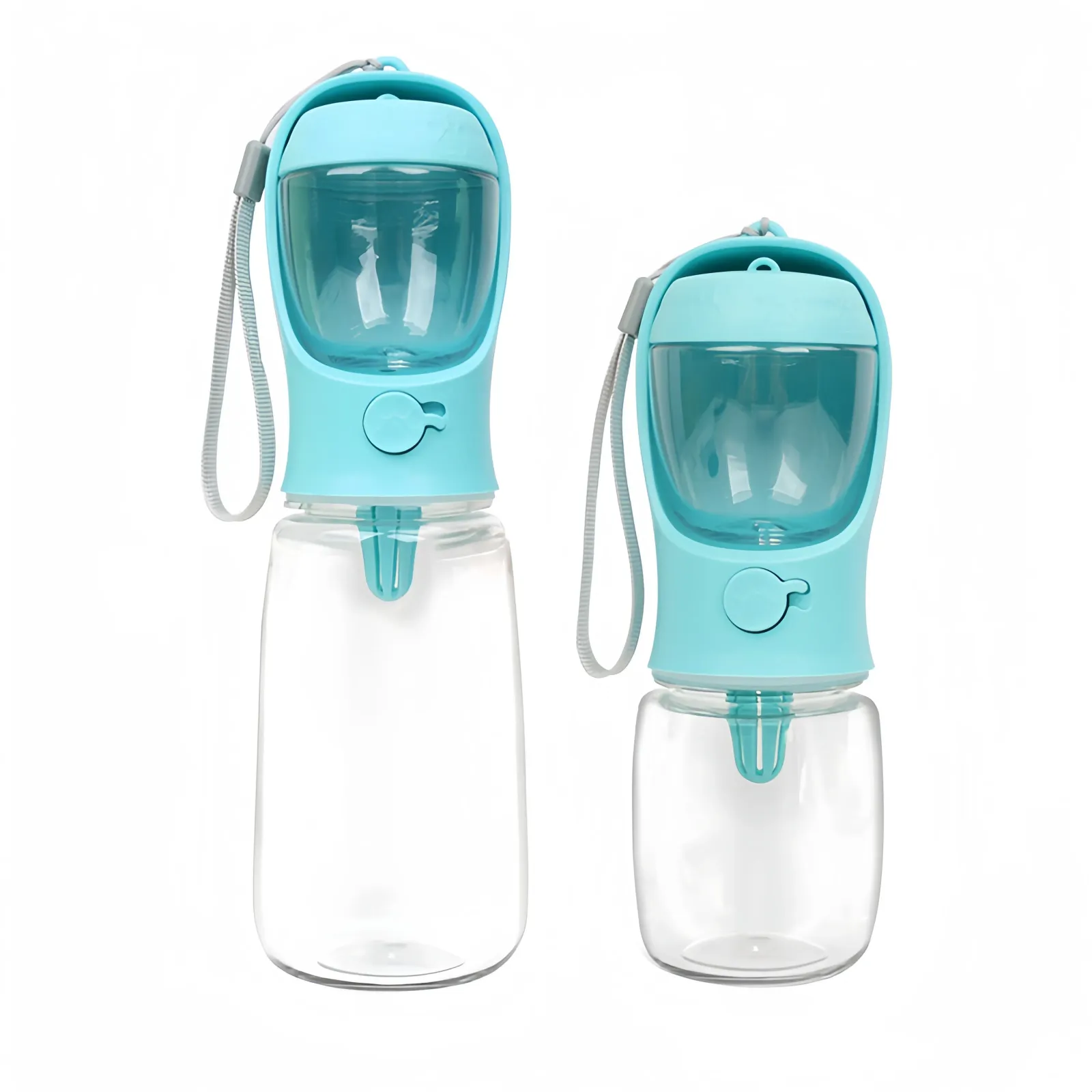
- Water and a collapsible bowl
- A spare harness or slip lead
- A foil emergency blanket
- A headlamp or clip-on light
- Your dog's regular medications, with a few extra days' supply
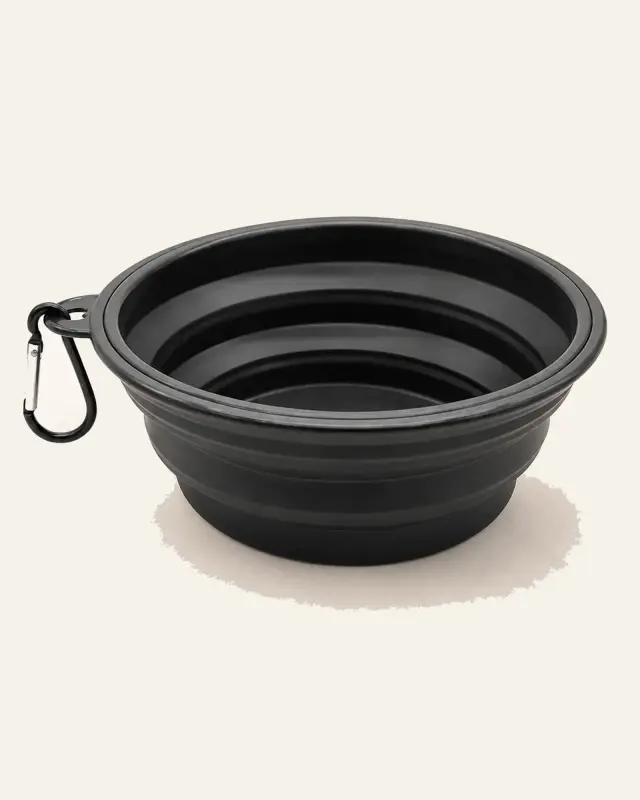 In our shopCollapsible Travel BowlFolds flat to fit in any kit, so there's always something to pour water into.$17.00Shop
What not to do
Practise before you need it
Questions people ask
What is a normal temperature for a dog?
Should I make my dog vomit if they ate something toxic?
Can I use human medications from my first-aid kit on my dog?
Sources we checked
- Vets Now: First aid for heatstroke in pets
- Government of Canada: Protect your pets from ticks and Lyme disease
- Pet Poison Helpline
Written by Northern Wag in Calgary and checked against the sources above. This is general information, not veterinary advice: if you're worried about your dog, call your vet.
Keep reading
All guides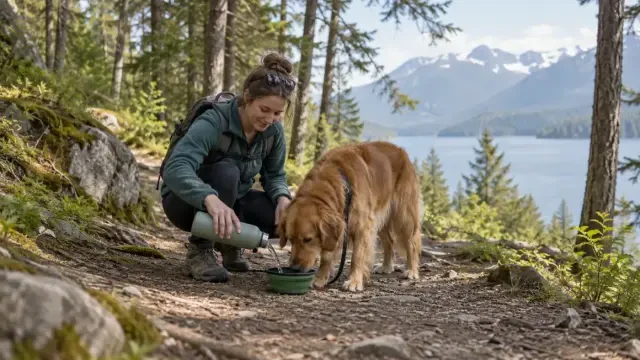
Health & safety4 min read
How much water does a dog need? A table by weight, plus walks and winter
Daily water needs by weight in kilograms, how much to bring on walks and hikes, and why winter dehydration is real.
Health & safety3 min read
Frostbite and hypothermia in dogs: the signs and what to do
How to recognise frostbite and each stage of hypothermia, safe first steps while you call the vet, and what not to do.

Summer4 min read
Heatstroke in dogs: the signs, what to do right now, and how to prevent it
Spot it early, cool first, then drive to the vet. Plus which dogs are most at risk and how to plan hot-day walks.