Summer
Heatstroke in dogs: the signs, what to do right now, and how to prevent it
Spot it early, cool first, then drive to the vet. Plus which dogs are most at risk and how to plan hot-day walks.
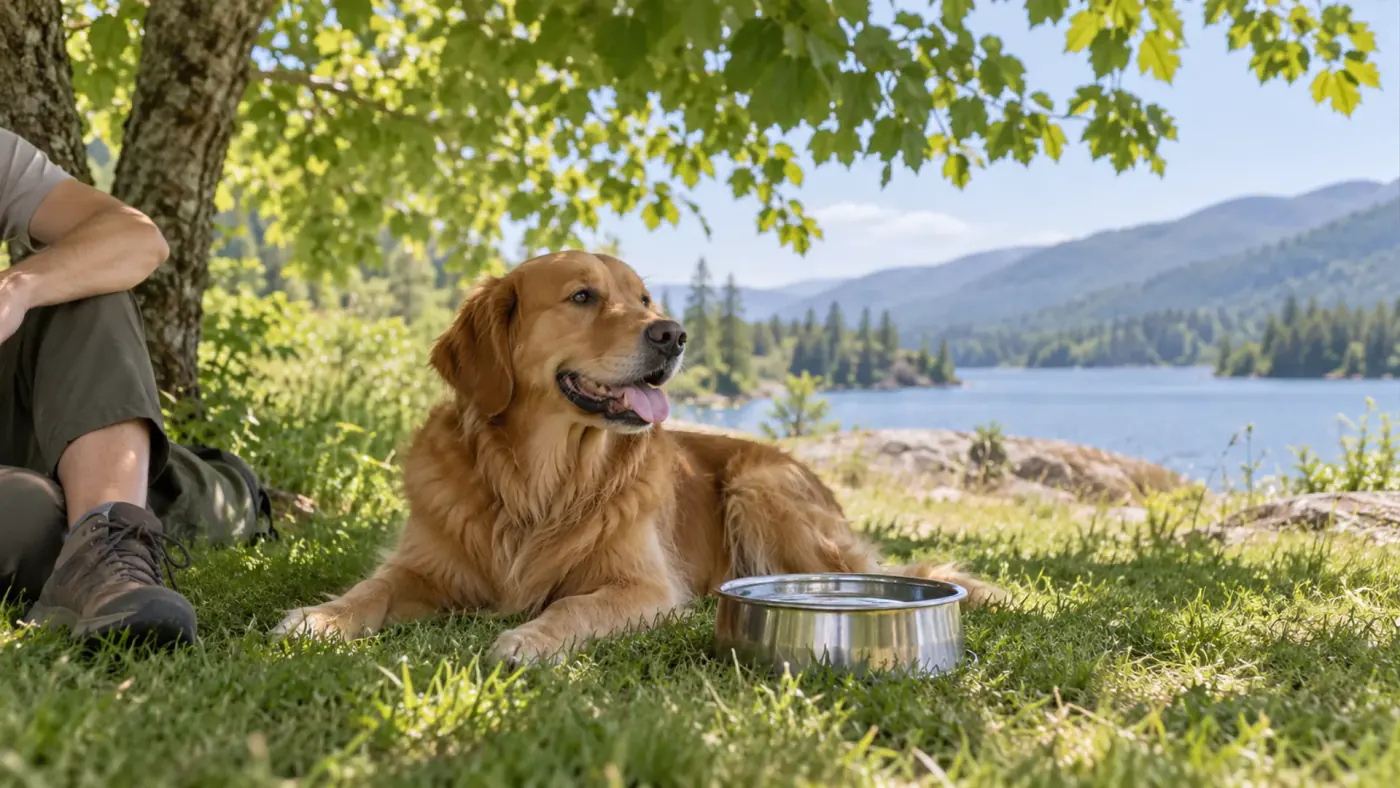
AI-generated illustration. Product photos on our product pages are real photos of what ships.
The short answer
- Heatstroke is an emergency: cool your dog first with cool (not ice-cold) water, then get to a vet.
- Early signs are heavy panting, drooling, red gums and restlessness. Wobbling, vomiting or collapse means it's already serious.
- Flat-faced breeds, heavy or thick-coated dogs, seniors, puppies and very fit dogs that won't stop are most at risk.
- Never leave a dog in a parked car on a warm day, even with the windows cracked.
On this page (6 sections)
The signs, early to serious
| Stage | What you'll see |
|---|---|
| Early | Heavy, fast panting; drooling; bright red gums or tongue; restlessness; looking for shade |
| Getting worse | Thick saliva, vomiting or diarrhea, wobbly walking, confusion, not responding to their name |
| Emergency | Collapse, seizures, pale or blue-grey gums, unconsciousness |
First aid: cool first, then drive
Which dogs are most at risk
- Flat-faced breeds: Pugs, French and English Bulldogs, Boston Terriers, Shih Tzus, Boxers
- Thick double coats: Huskies, Malamutes, Bernese, Newfoundlands
- Dogs carrying extra weight
- Seniors, young puppies and dogs with heart or breathing problems
- Keen athletes: retrievers and herding dogs that will keep chasing a ball long after they should stop
Hot cars
How to plan a hot-day walk
- Go early or late. Before 9 am or after 7 pm is usually coolest.
- Check the humidex, not just the temperature. Humid heat is harder on dogs.
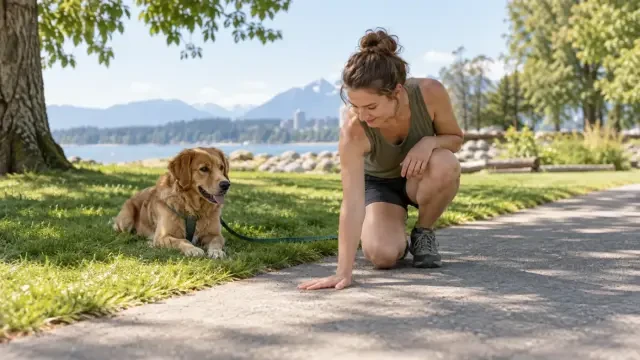
- Test the pavement. If it's too hot for the back of your hand for seven seconds, it's too hot for paws. See our guide to hot pavement and paw burns.
- Choose shade and grass, and stop at water.
- Shorten fetch sessions and call a break every few throws, even if your dog begs for more.
- Bring water and offer it often. Our water guide has amounts by weight.
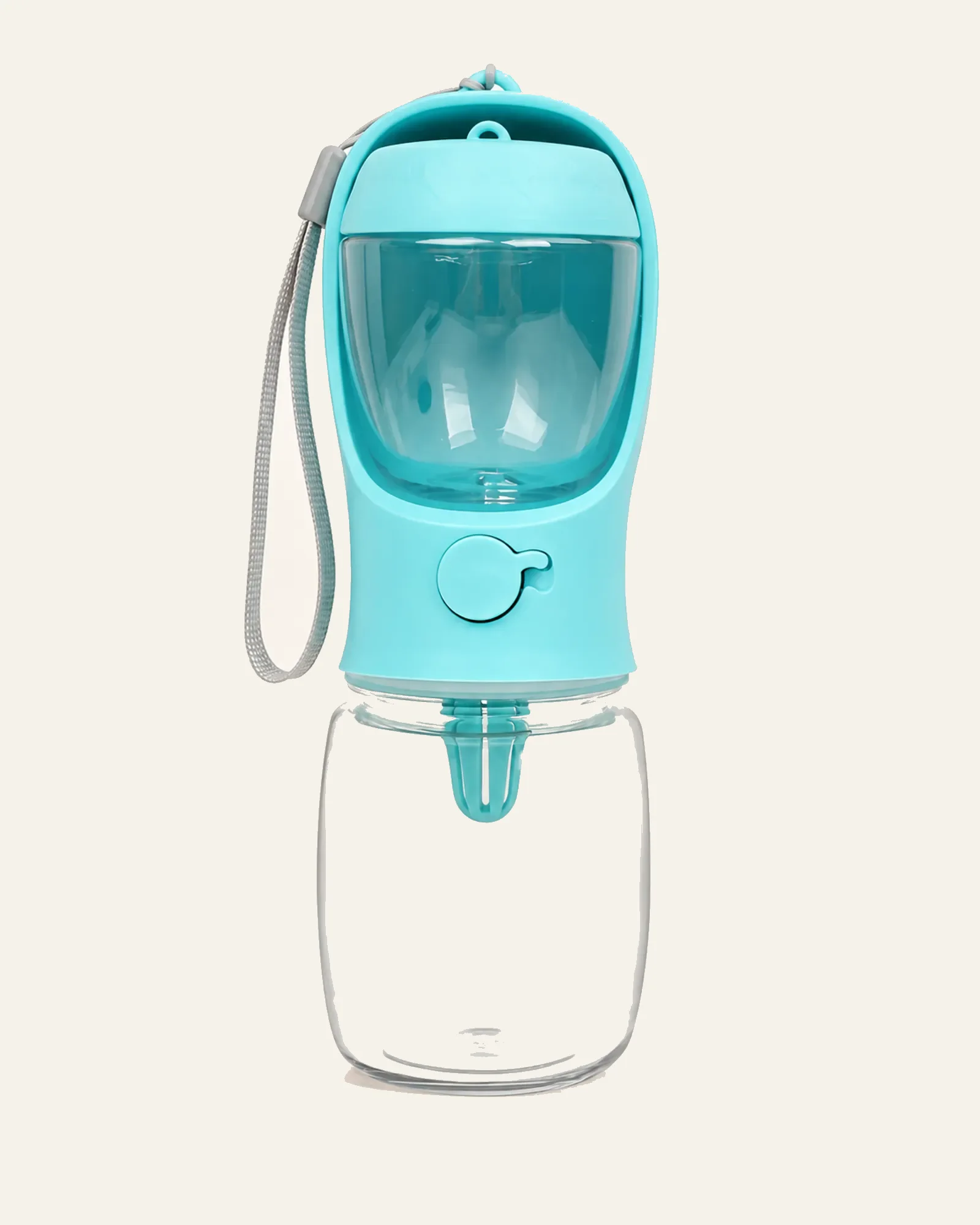
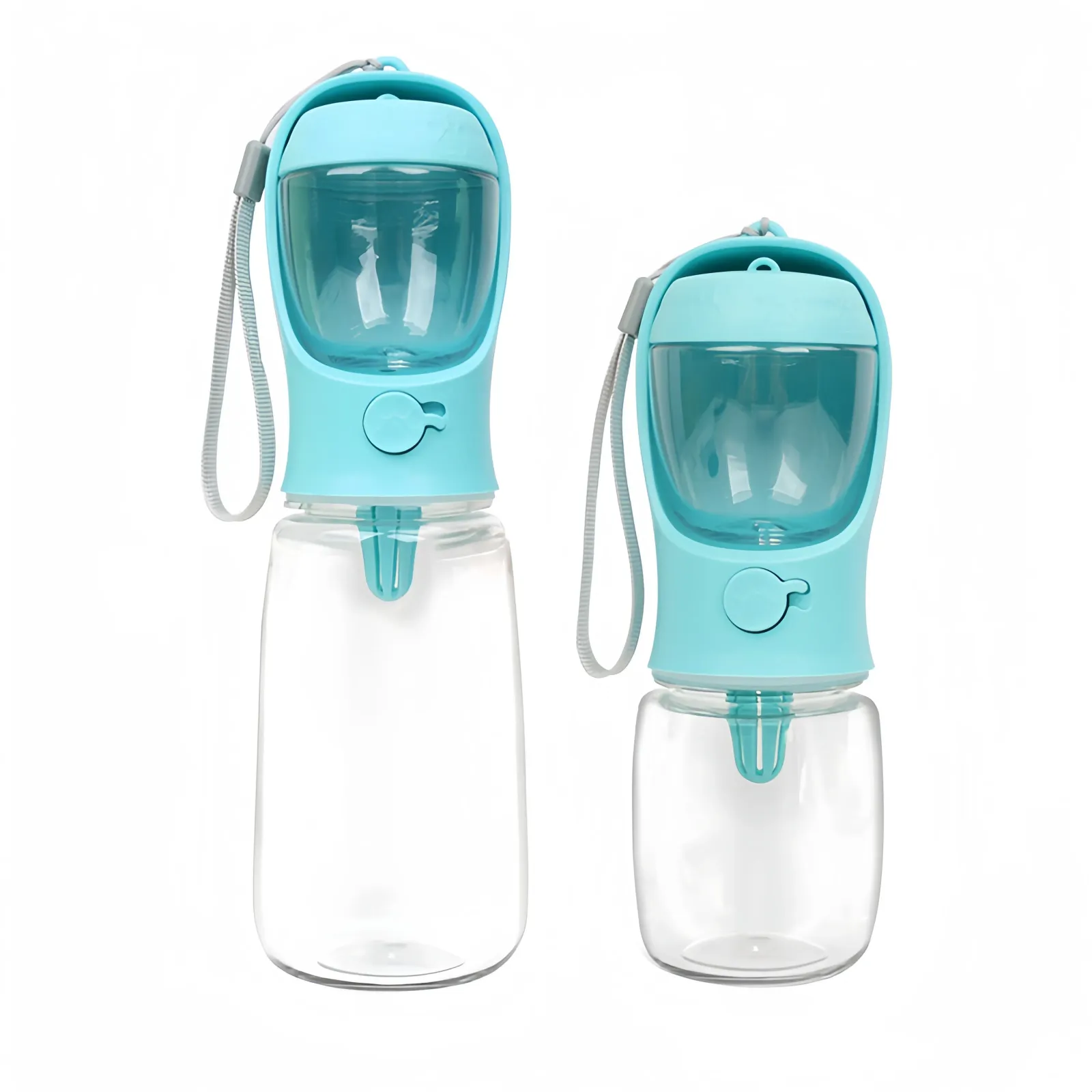
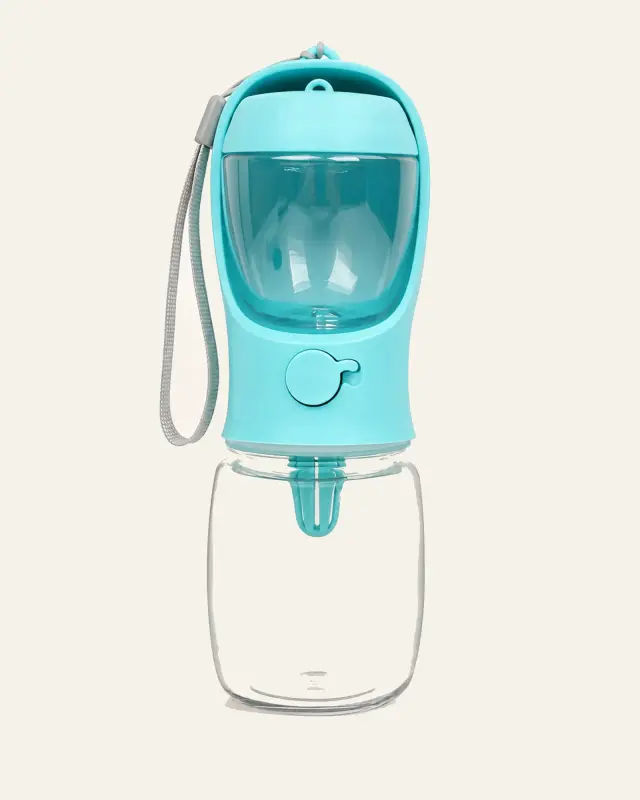 In our shop2-in-1 Walk BottleSqueeze water into the built-in trough, then tip the rest back in. No bowl to carry.From $39.00Shop
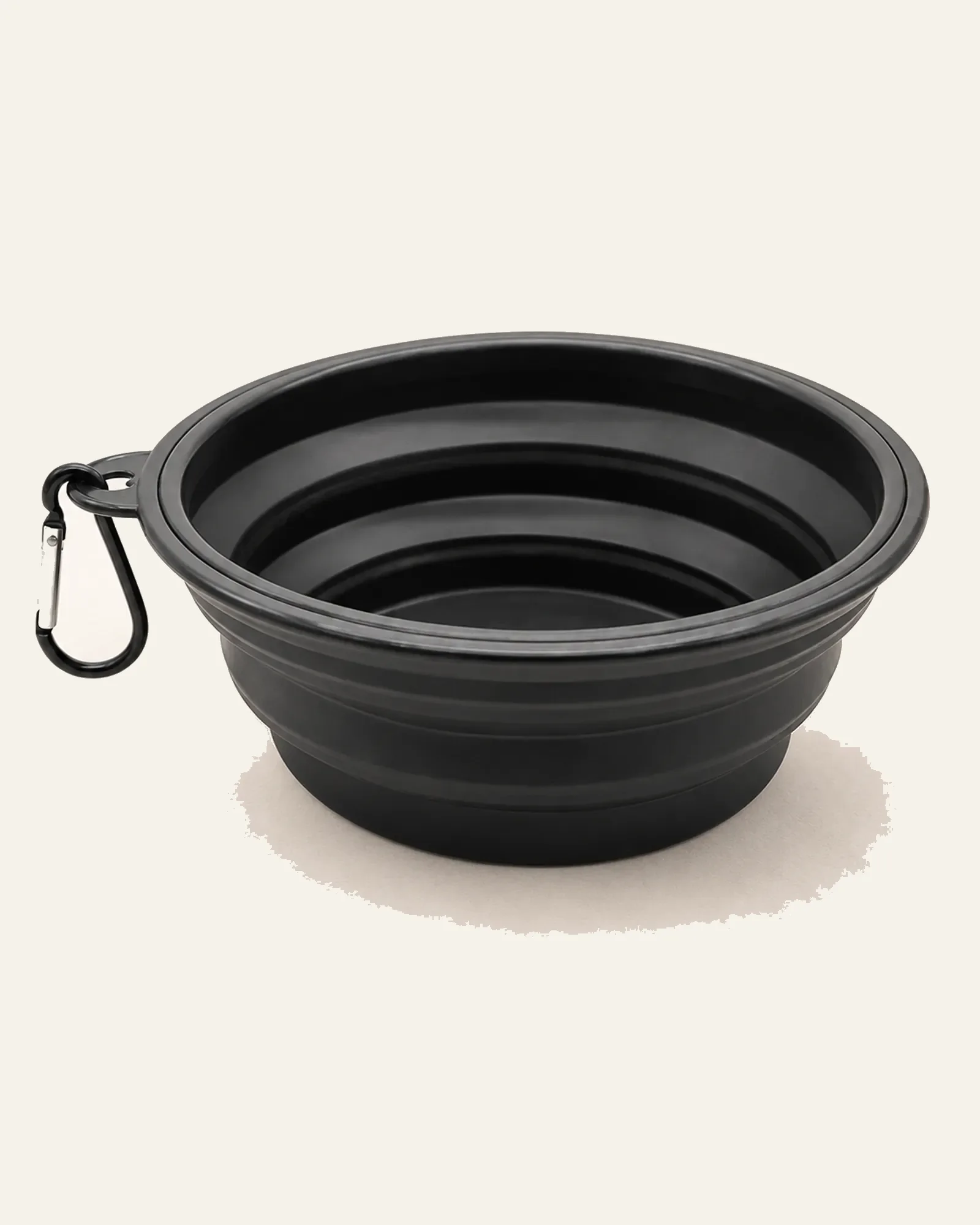
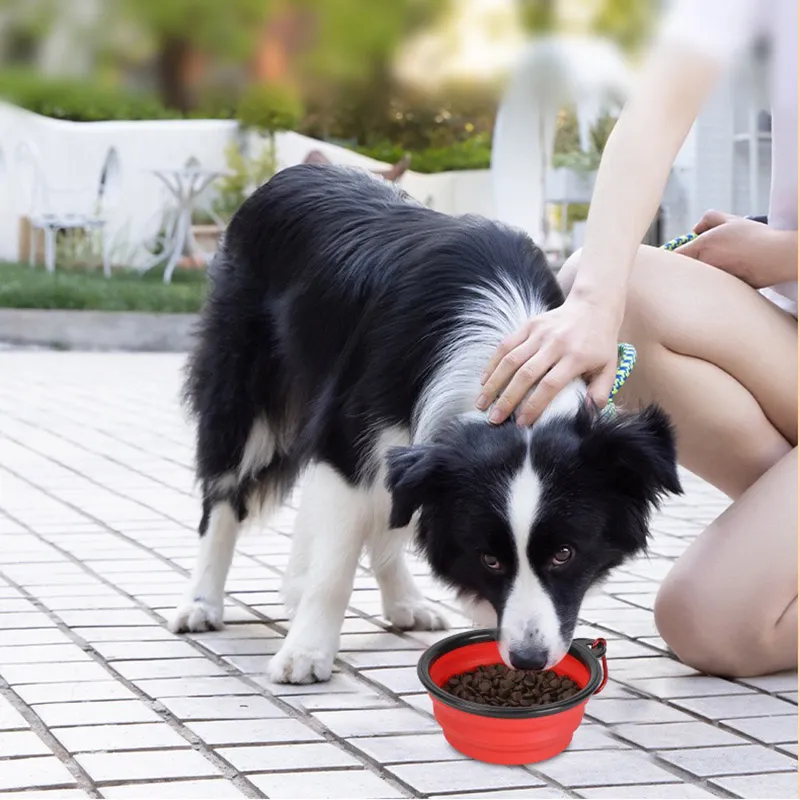
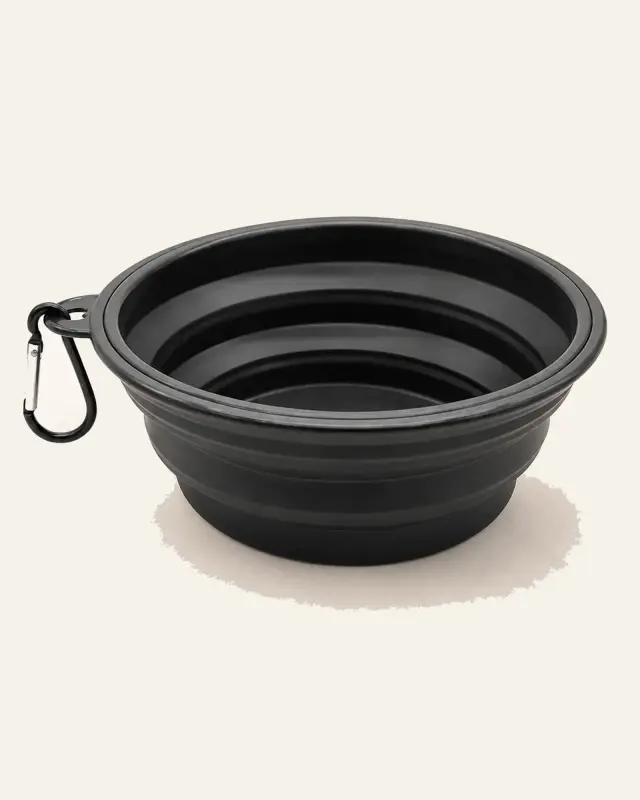 In our shopCollapsible Travel BowlFolds flat and clips to a bag, so you can offer water at every shady stop.$17.00Shop
Is a shaved coat cooler?
Questions people ask
What temperature is too hot to walk a dog?
Should I use ice water to cool my dog?
Does my dog still need a vet if they seem fine after cooling down?
Sources we checked
- Cornell Riney Canine Health Center: Heatstroke, a medical emergency
- Royal Veterinary College: Heatstroke in dogs and cats
- Vets Now: First aid for heatstroke in pets
Written by Northern Wag in Calgary and checked against the sources above. This is general information, not veterinary advice: if you're worried about your dog, call your vet.
Keep reading
All guides
Summer3 min read
Lakes, cottages and blue-green algae: water safety for dogs in Canada
Blue-green algae can be deadly to dogs, and you can't tell a toxic bloom by looking. How to spot one and what to do.
Summer3 min read
Hot pavement and dog paws: the 7-second test and how to prevent burns
Asphalt can be 20 °C hotter than the air. Here's the 7-second test, the signs of burned pads, and how to keep walks going.
Health & safety4 min read
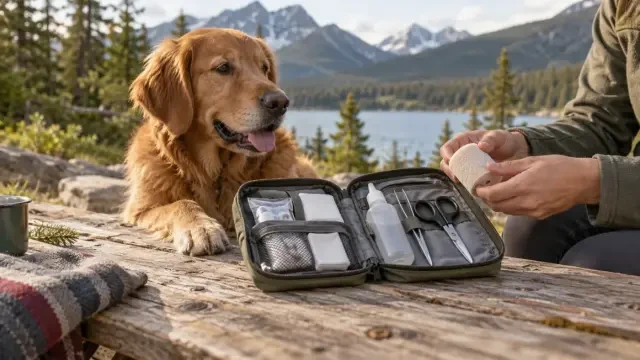
Dog first-aid kit checklist: what to pack for home, car and trail
Everything to put in a dog first-aid kit, what each item is for, and the numbers to keep with it.