Summer
Lakes, cottages and blue-green algae: water safety for dogs in Canada
Blue-green algae can be deadly to dogs, and you can't tell a toxic bloom by looking. How to spot one and what to do.
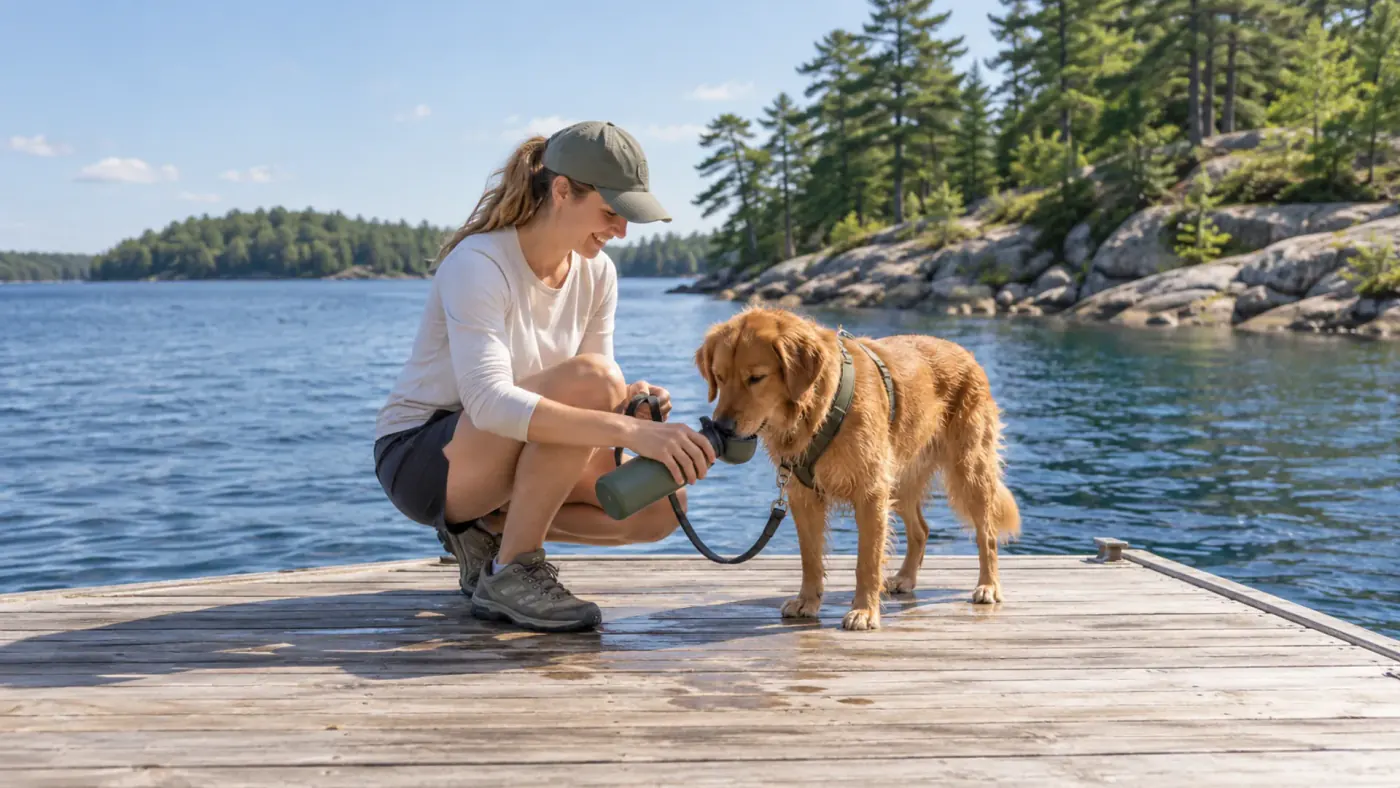
AI-generated illustration. Product photos on our product pages are real photos of what ships.
The short answer
- Blue-green algae (cyanobacteria) can produce toxins that can kill a dog within hours of swimming or drinking.
- You can't tell whether a bloom is toxic by looking. If the water looks like pea soup, spilled paint or has scum, keep your dog out.
- If your dog has been in suspect water, rinse them with clean water, stop them licking their coat, and call a vet right away.
- Check your province's beach and algae advisories before a lake trip, and bring your own drinking water.
On this page (5 sections)
What blue-green algae is
How to spot a bloom
- Water that looks like pea soup or spilled green, blue-green or turquoise paint
- Scum, foam or mats on the surface, often blown against the shore
- A musty or grassy smell
- Dead fish or wildlife near the water
If your dog has been in suspect water
- 1Get them out and rinse them thoroughly with clean water, wearing gloves if you have them.
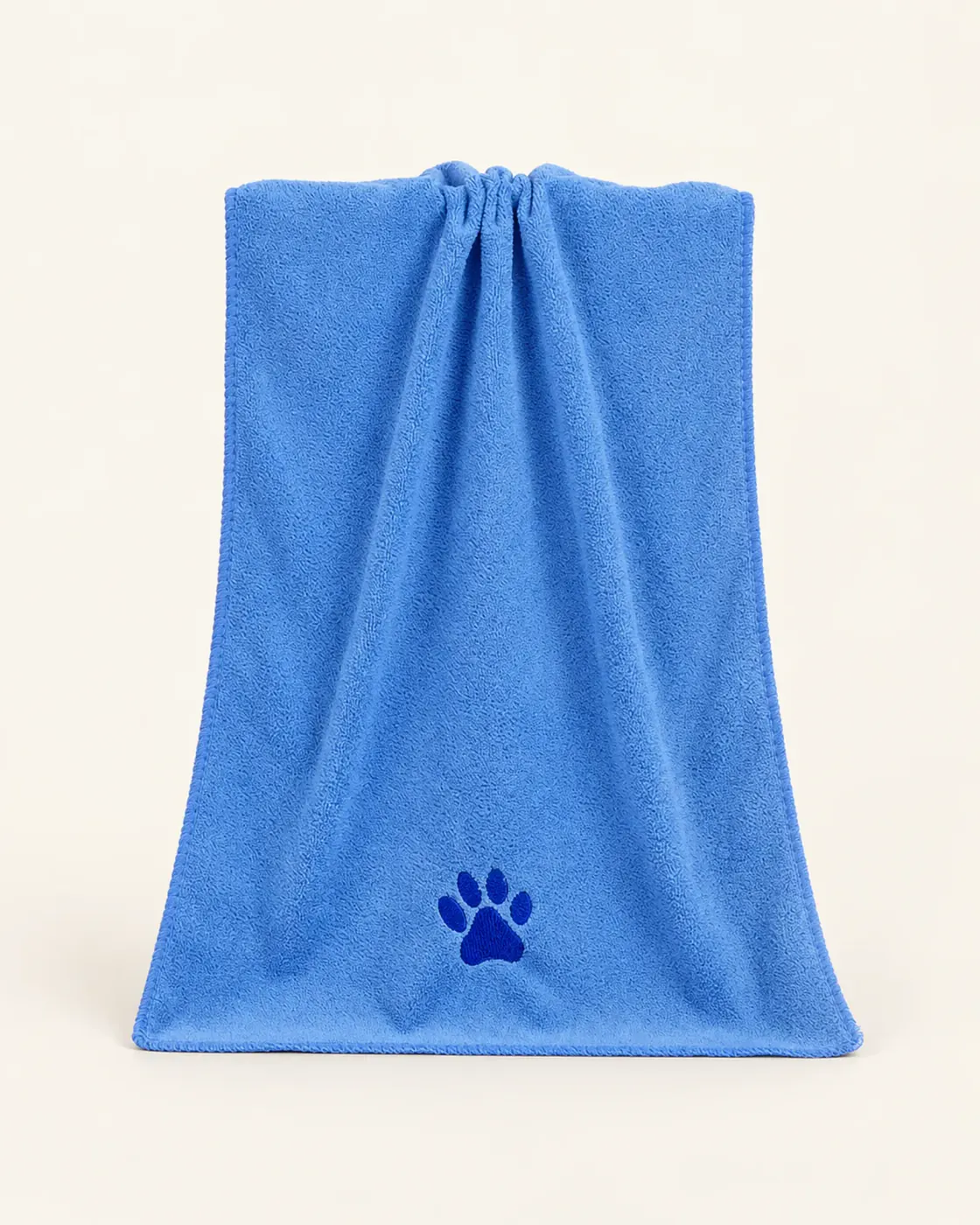
- 2Stop them licking their coat or paws. Towel them off.
- 3Call a vet or emergency clinic right away, even if your dog seems fine. Say it may be blue-green algae.
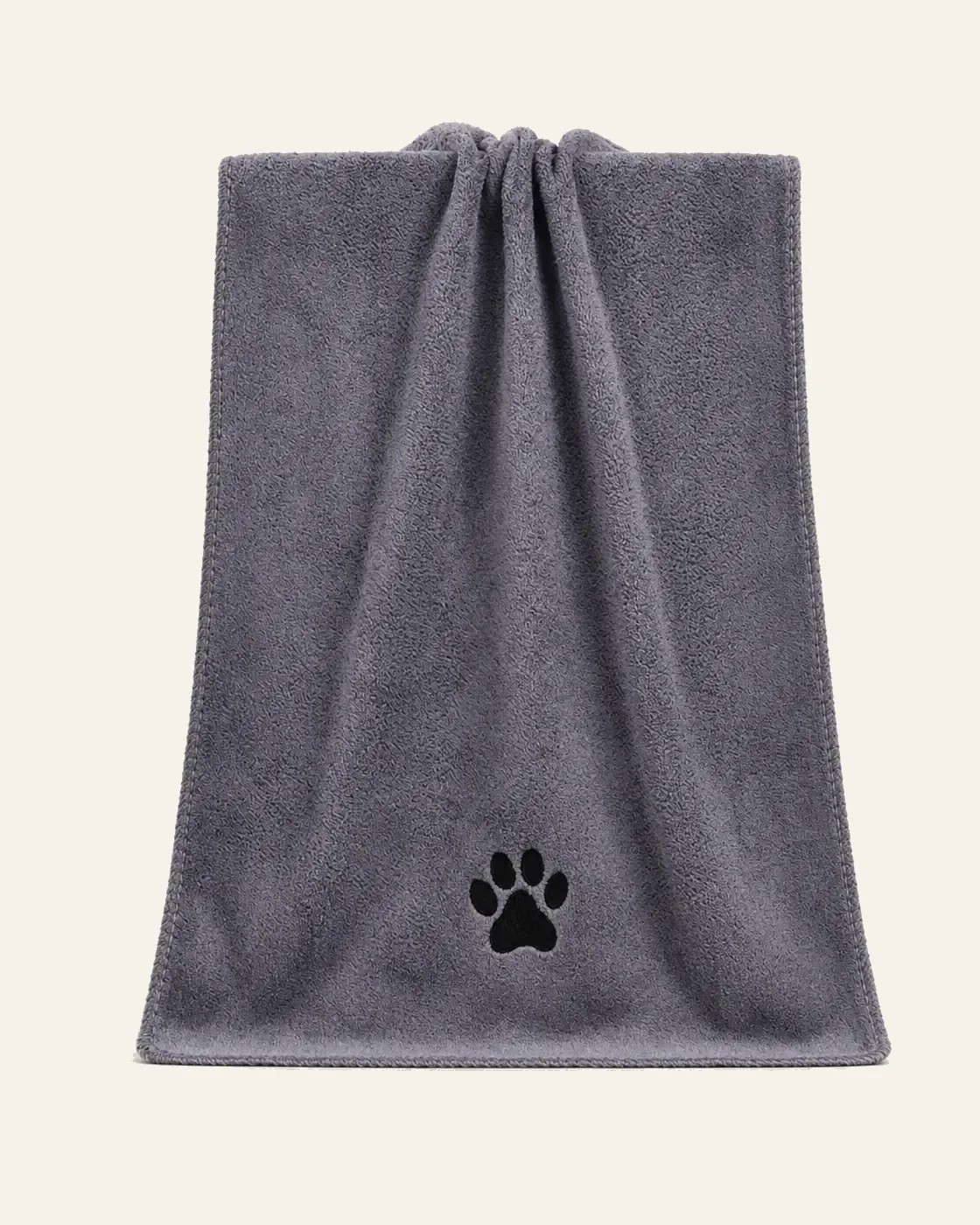
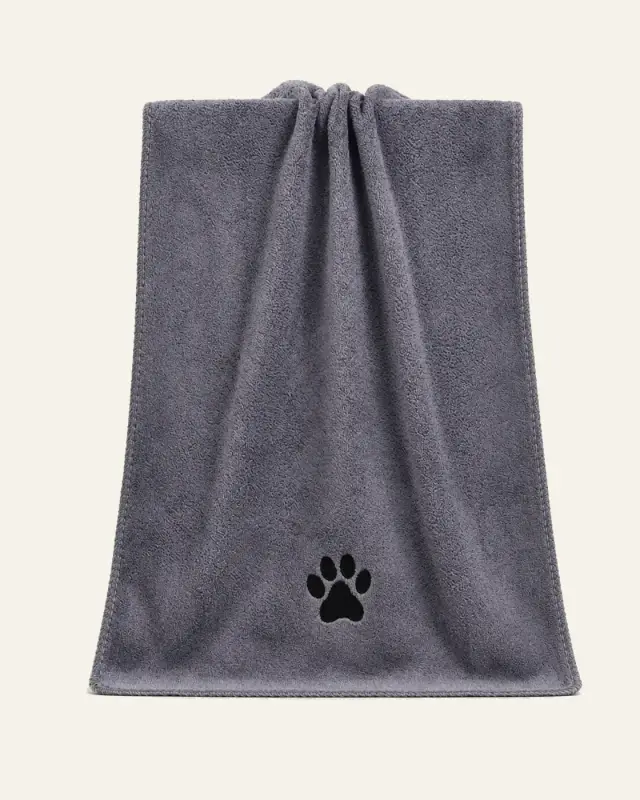 In our shopQuick-Dry Dog TowelAbsorbs fast after a rinse, so there's less wet coat to lick.$26.00Shop
More lake and river safety
- Check advisories first. Provinces and local health units post beach and bloom warnings through the summer.
- Bring your own water. Lake and river water can carry parasites like Giardia even when it looks clean.
- Life jackets for boating, weak swimmers, flat-faced breeds and seniors.
- Watch the current in rivers, and never let a dog chase a stick into fast water.
- Rinse after swimming to wash off algae, bacteria and swimmer's-itch parasites.
- Take breaks. Dogs don't know when to quit retrieving and can get exhausted in the water.
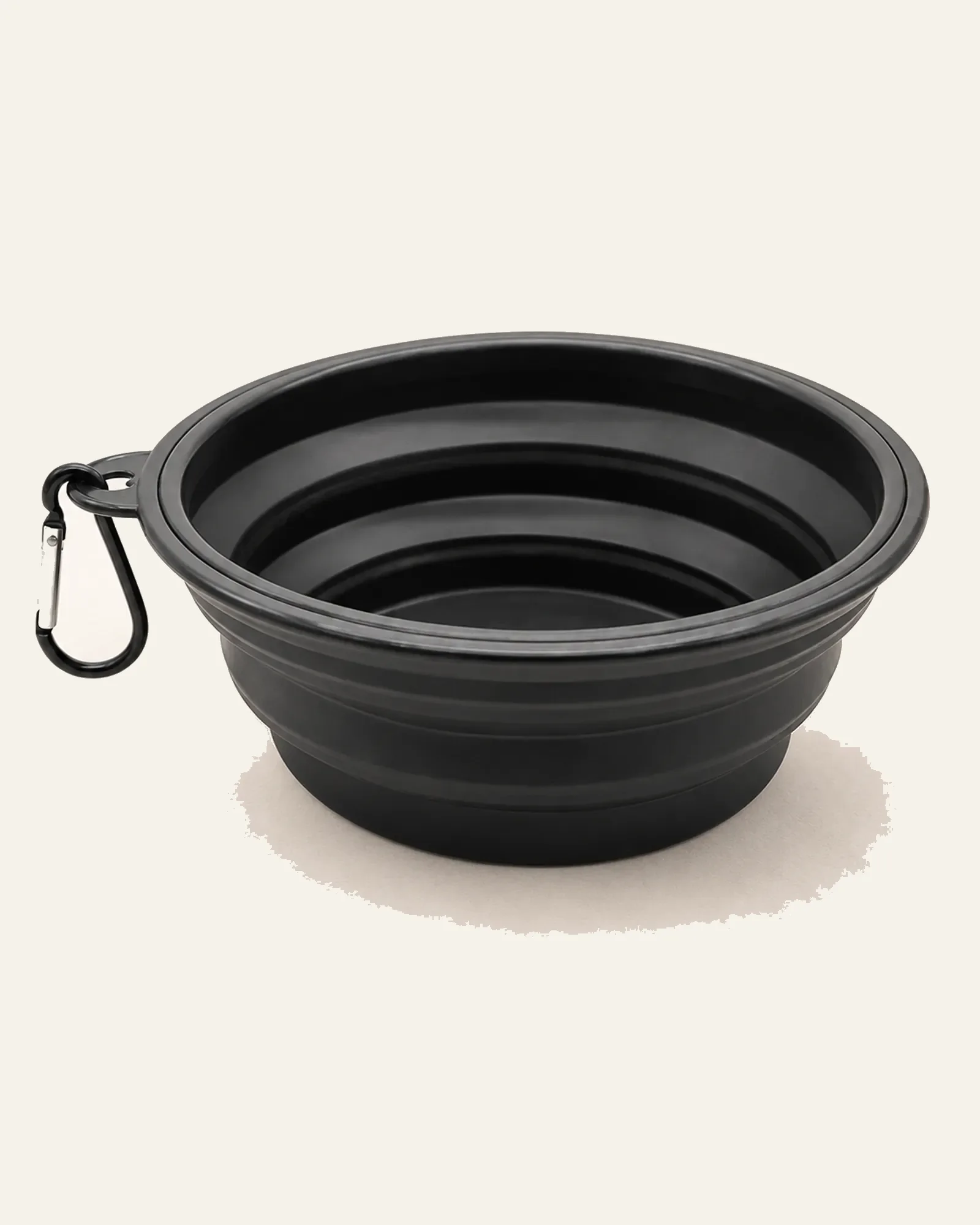
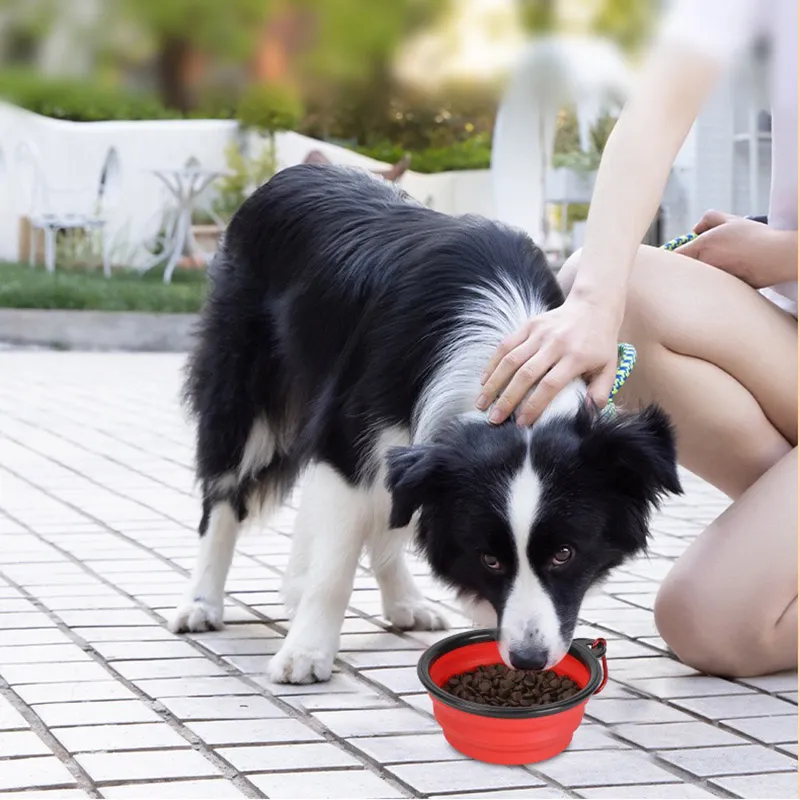
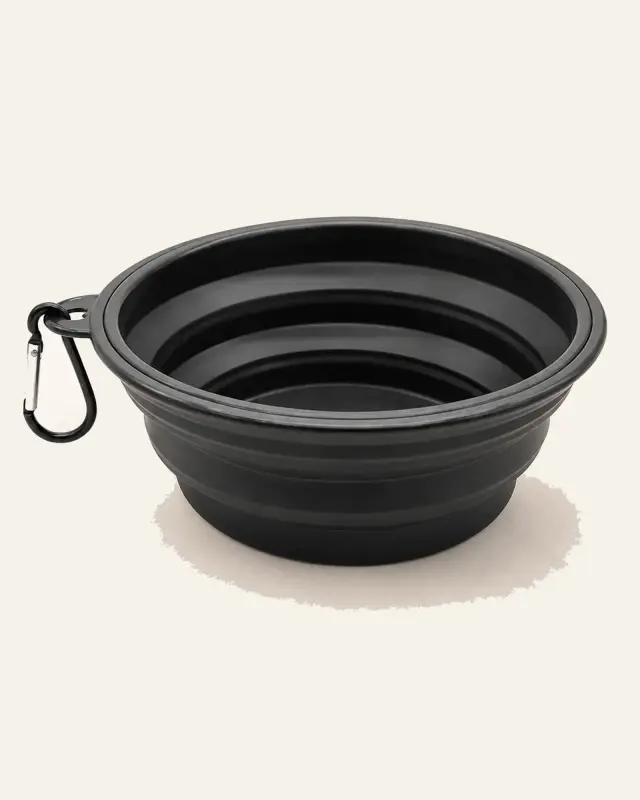 In our shopCollapsible Travel BowlFolds flat in a beach bag, so there's always fresh water on offer.$17.00Shop
Heading to the cottage?
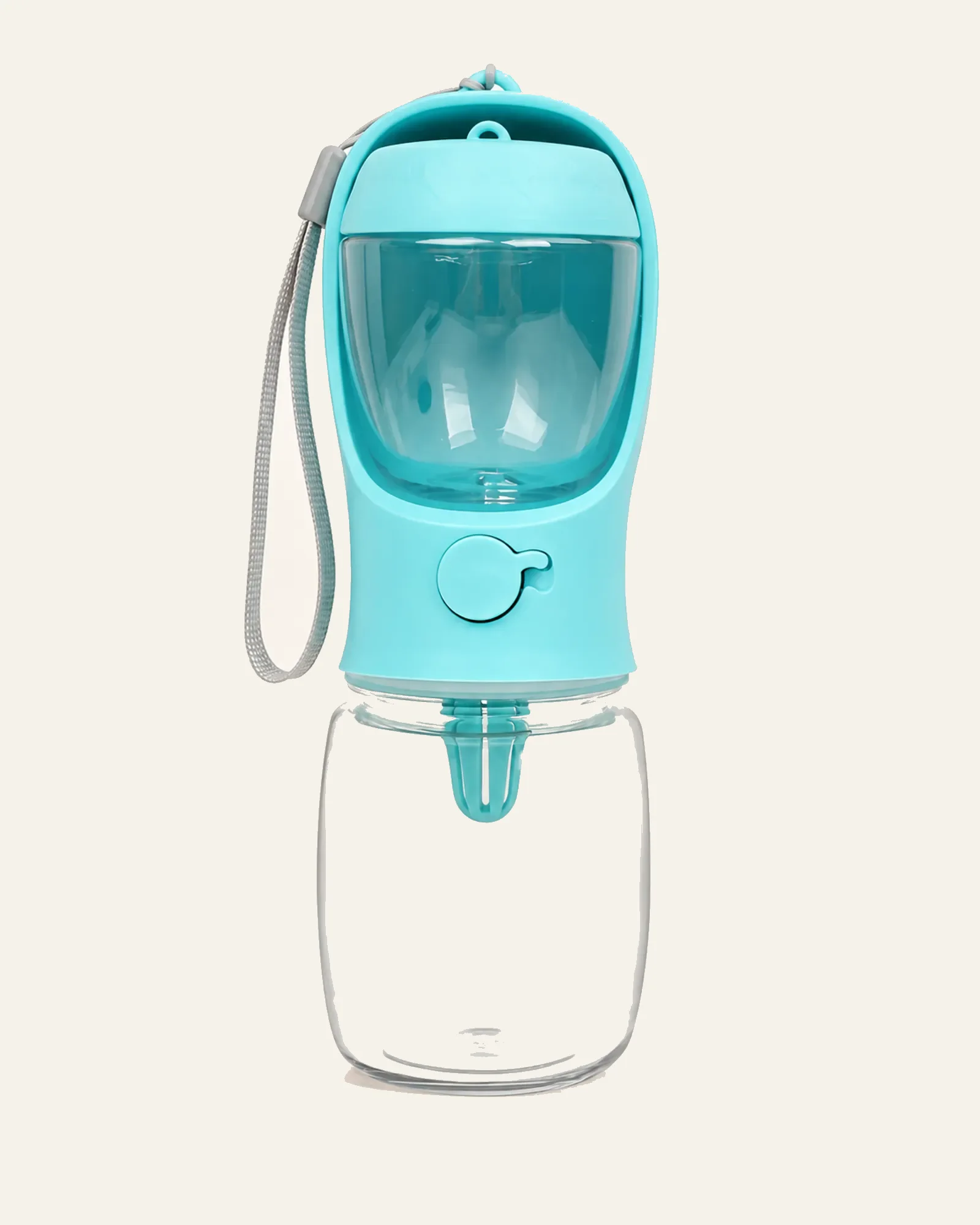
Questions people ask
What does a blue-green algae bloom look like?
How fast does blue-green algae poisoning happen?
Is it safe for my dog to drink lake or river water?
Sources we checked
- Health Canada: Cyanobacteria and their toxins in recreational water
- BC SPCA: Can a swim in a lake poison your dog?
- Pet Poison Helpline: Blue-green algae
Written by Northern Wag in Calgary and checked against the sources above. This is general information, not veterinary advice: if you're worried about your dog, call your vet.
Keep reading
All guides
Summer4 min read
Heatstroke in dogs: the signs, what to do right now, and how to prevent it
Spot it early, cool first, then drive to the vet. Plus which dogs are most at risk and how to plan hot-day walks.
Summer3 min read
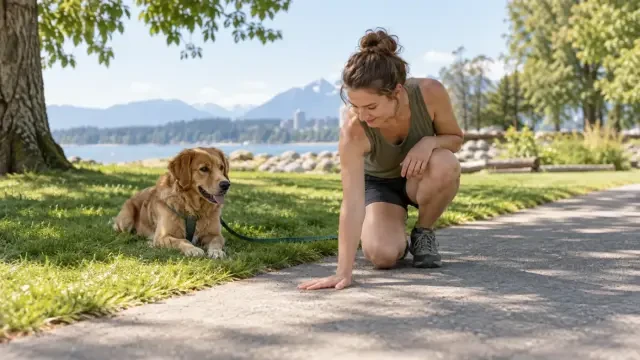
Hot pavement and dog paws: the 7-second test and how to prevent burns
Asphalt can be 20 °C hotter than the air. Here's the 7-second test, the signs of burned pads, and how to keep walks going.
Health & safety4 min read
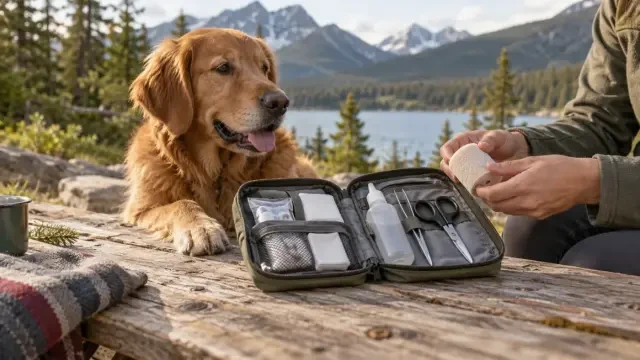
Dog first-aid kit checklist: what to pack for home, car and trail
Everything to put in a dog first-aid kit, what each item is for, and the numbers to keep with it.