Travel & outdoors
Road trips with your dog in Canada: the law, the gear and the stops
What the law says about dogs in cars, the honest truth about tethers and crash safety, and a packing list for the drive.
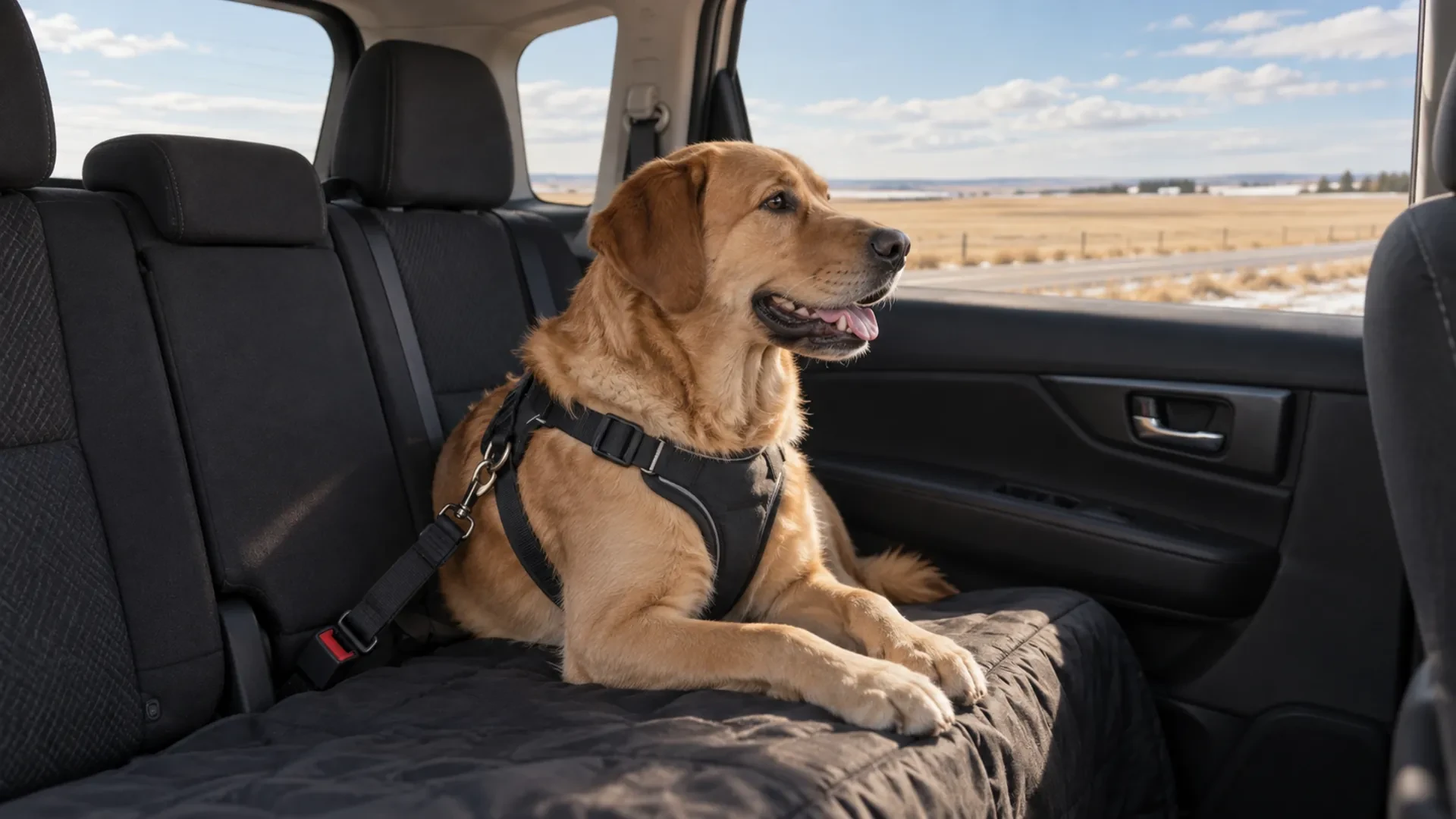
AI-generated illustration. Product photos on our product pages are real photos of what ships.
The short answer
- No province requires a dog seat belt, but a loose dog can get you charged with distracted or careless driving.
- A seat-belt tether keeps your dog from roaming the car. It is not crash protection.
- For crash safety, look for a harness or crate certified by crash testing.
- Stop every two to three hours for water, a walk and a bathroom break.
On this page (5 sections)
What the law says
| Province | What can apply |
|---|---|
| Alberta | Traffic Safety Act: charges when a pet in the front interferes with safely operating the vehicle |
| British Columbia | Distracted driving and driving without due care; unsecured pets in the open back of a pickup are prohibited |
| Ontario | Careless driving for a dog on the driver's lap; insecure load for a loose dog in a truck bed |
| Other provinces | General distracted, careless or negligent driving rules |
The honest truth about tethers
- Your dog can't climb into the front or onto your lap.
- They can't jump out the moment a door opens at a gas station.
- They stay on their side of the back seat.
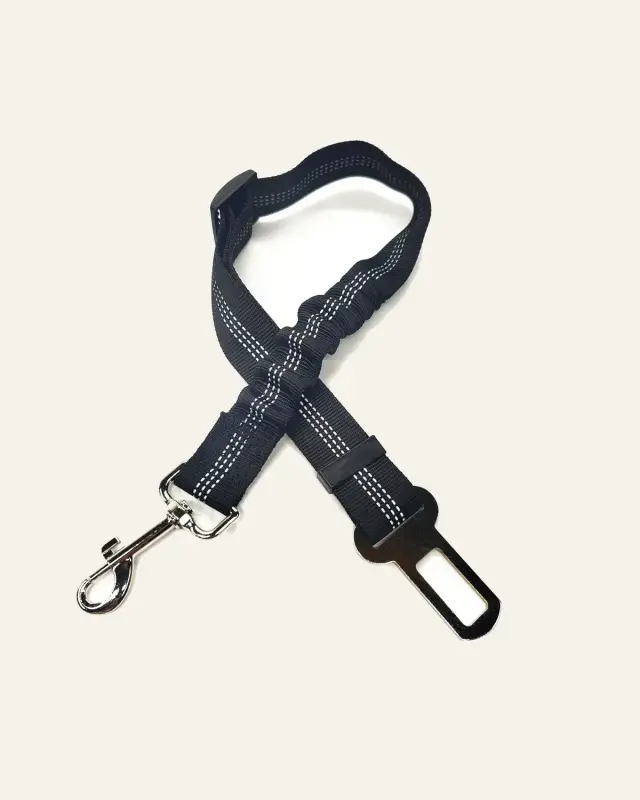 In our shopCar Seat Belt TetherClicks into a standard buckle and clips to a harness, with a stretchy section to soften sudden stops.$19.00Shop
How often to stop
- 1Leash on before the door opens.
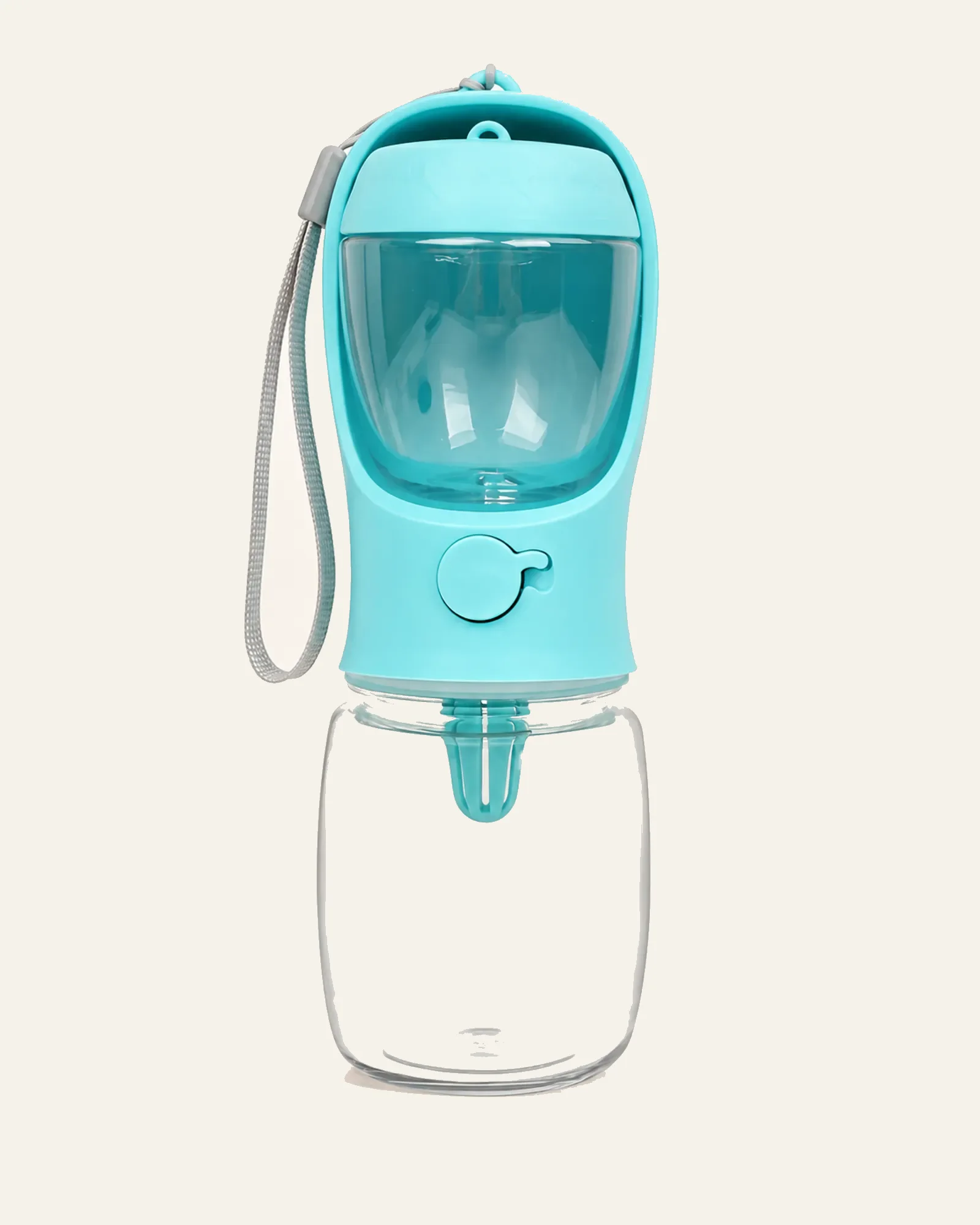
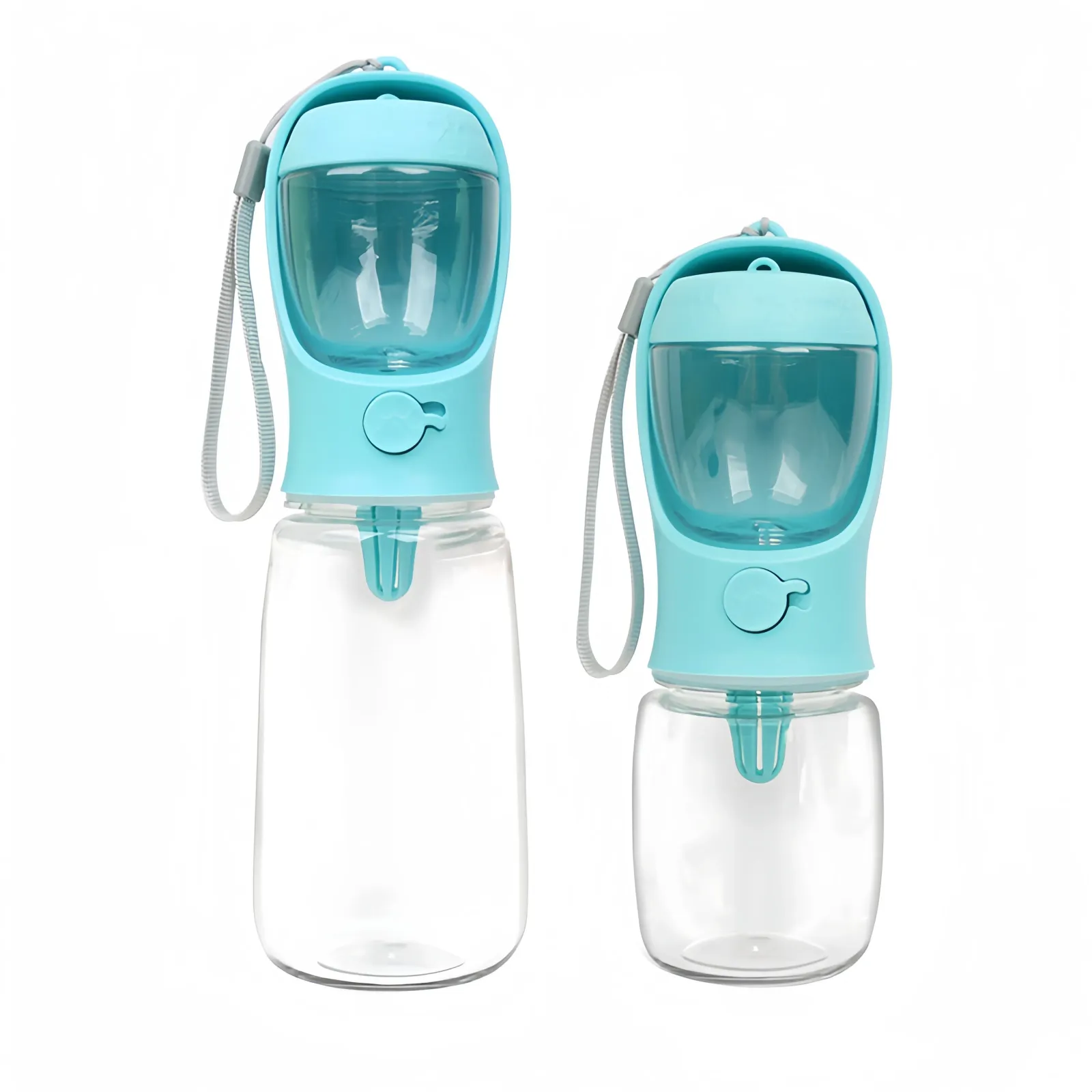
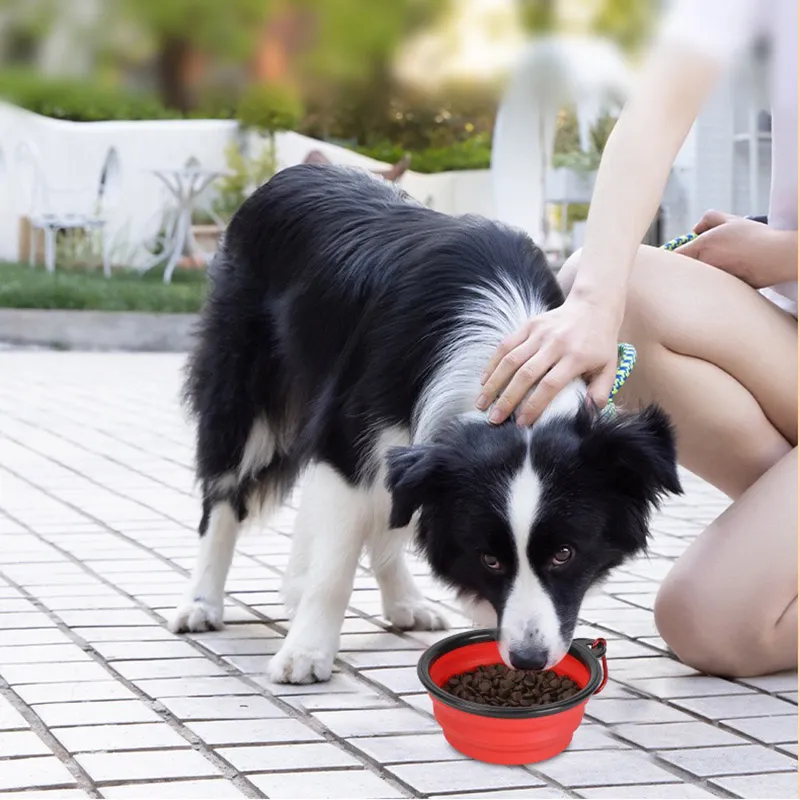
- 2Water in a bowl or a walk bottle.
- 3A short walk and a bathroom break.
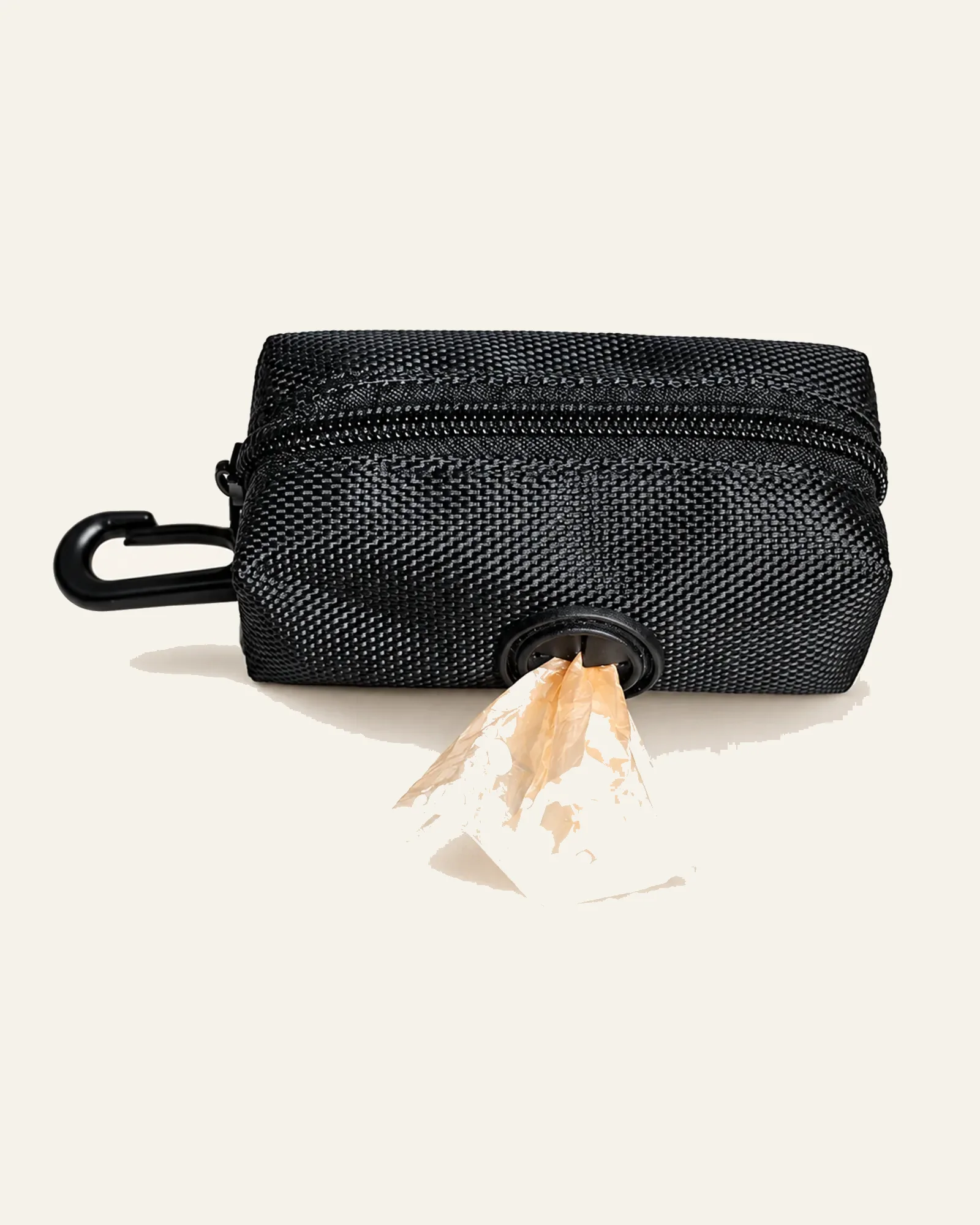
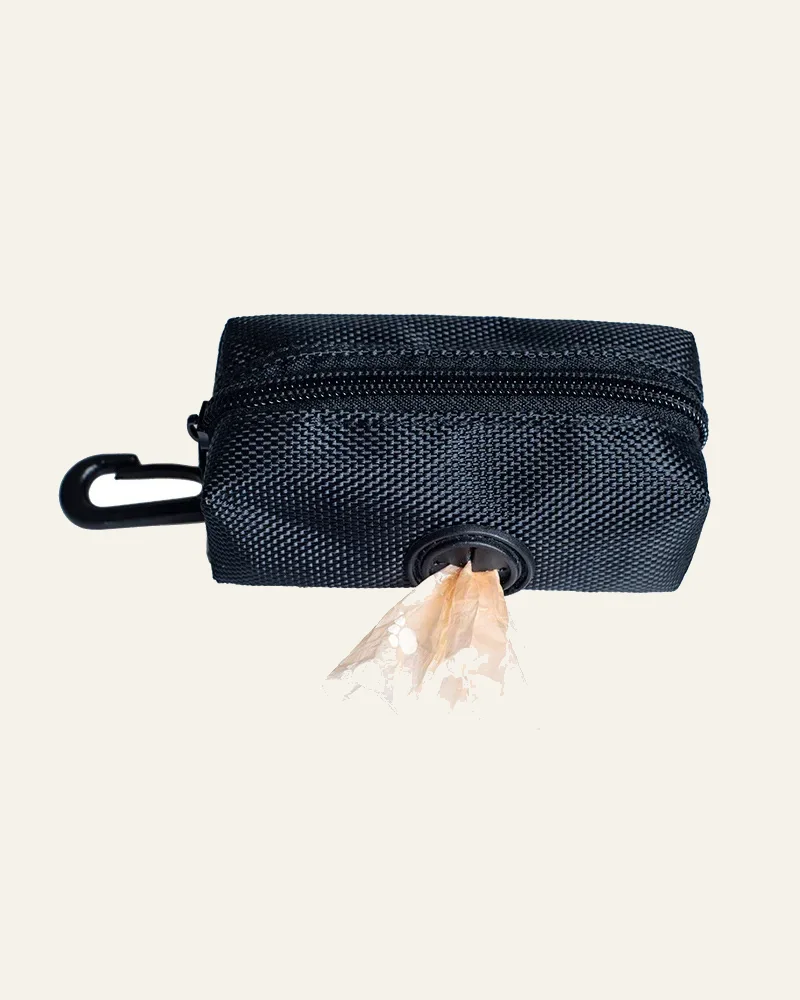
- 4Pick up after your dog. Rest stops depend on people doing it.
Carsickness and nervous travellers
- Feed a light meal a few hours before the drive, not right before.
- Crack a window slightly for fresh air.
- Practise with short, fun drives that end somewhere good, like a park.
- If your dog vomits every trip, ask your vet. There are safe medications for motion sickness.
Packing list
- Harness, and a tether or crate
- Leash and a spare, plus ID tag with your mobile number
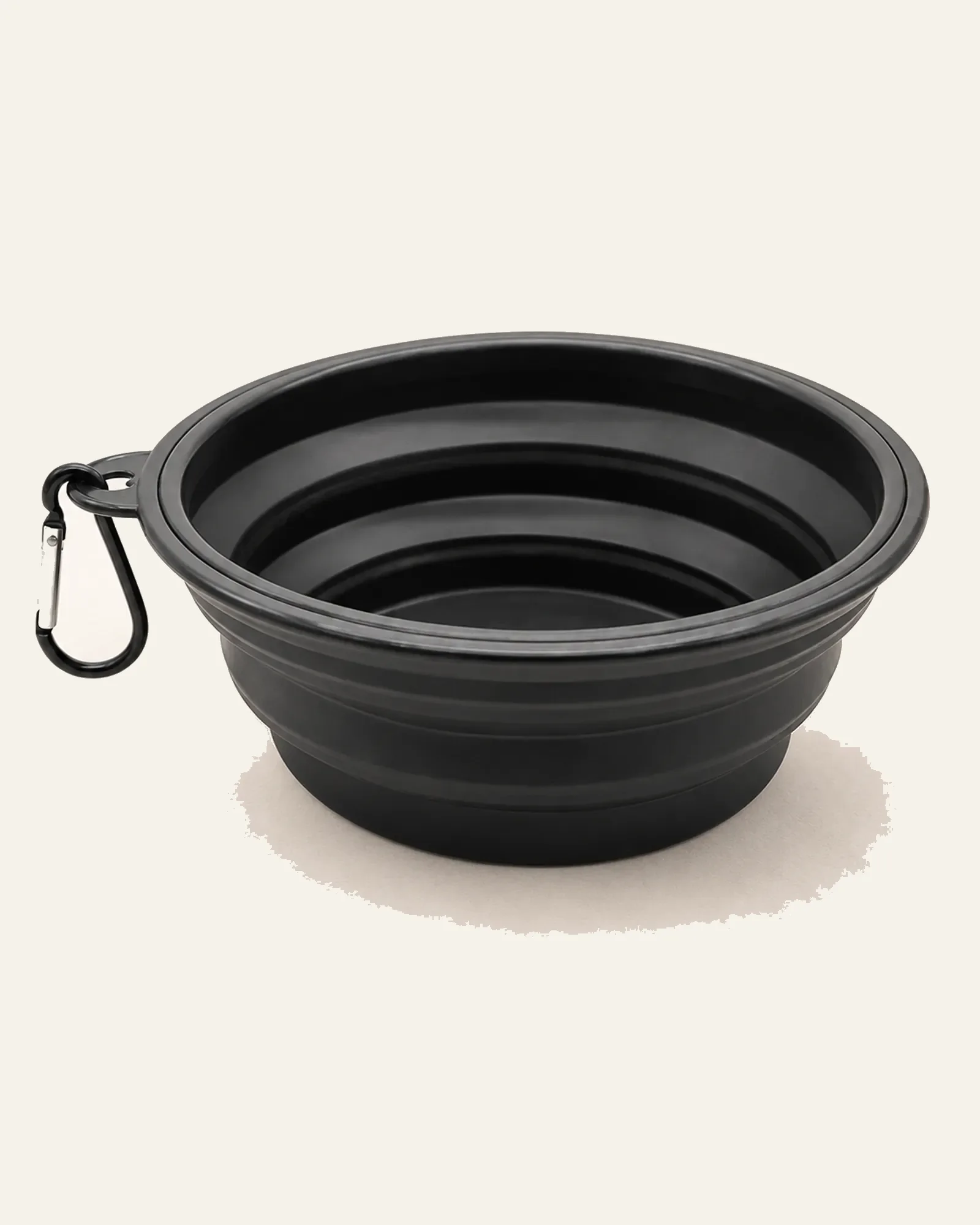
- Water: bottle and folding bowl
- Food, treats and a lick mat for the hotel room
- Poop bags (more than you think)
- Towel for muddy paws and wet coats
- Vaccination records, especially if you're boarding or crossing a border
- Any medications, plus your vet's number
Questions people ask
Is it illegal to have a dog loose in the car in Canada?
Are dog seat belts safe in a crash?
Can my dog ride in the front seat?
Sources we checked
- ICBC: Riding in cars with pets
- Ontario SPCA: The dangers of pets riding in cars
- Center for Pet Safety: 2013 harness crash test study results
- SaskSPCA: Vehicle safety for pets
Written by Northern Wag in Calgary and checked against the sources above. This is general information, not veterinary advice: if you're worried about your dog, call your vet.
Keep reading
All guides
Travel & outdoors4 min read
Bringing your dog to Banff, Jasper and other national parks: the rules and a day-hike kit
The 3-metre leash rule, why it matters with bears and elk, trail etiquette, and a day-hike kit for your dog.
Travel & outdoors4 min read
Hiking and camping with your dog: a Canadian summer trail guide and packing list
How far your dog can hike, what to pack, what to do about wildlife, and the checks to do when you get home.
Health & safety4 min read
How much water does a dog need? A table by weight, plus walks and winter
Daily water needs by weight in kilograms, how much to bring on walks and hikes, and why winter dehydration is real.