Summer
Hot pavement and dog paws: the 7-second test and how to prevent burns
Asphalt can be 20 °C hotter than the air. Here's the 7-second test, the signs of burned pads, and how to keep walks going.

AI-generated illustration. Product photos on our product pages are real photos of what ships.
The short answer
- Sunny asphalt and dark rubber surfaces can be far hotter than the air, hot enough to burn pads on a warm day.
- Press the back of your hand on the ground for seven seconds. Too hot for you means too hot for paws.
- Walk early or late, stick to grass and shade, and use boots when you can't avoid hot ground.
- Limping, licking a paw, or darker, blistered or peeling pads can mean a burn. Cool the paw and call your vet.
On this page (4 sections)
The 7-second test
Signs of burned pads
- Limping or refusing to walk
- Licking or chewing a paw
- Pads that look darker, red, blistered, peeling or have loose flaps of skin
Keep walking all summer
- 1Move the big walk to early morning or after sunset, when surfaces have cooled.
- 2Choose the route: grass verges, parks, forest trails and shaded streets.
- 3Carry small dogs across the hot parking lot.
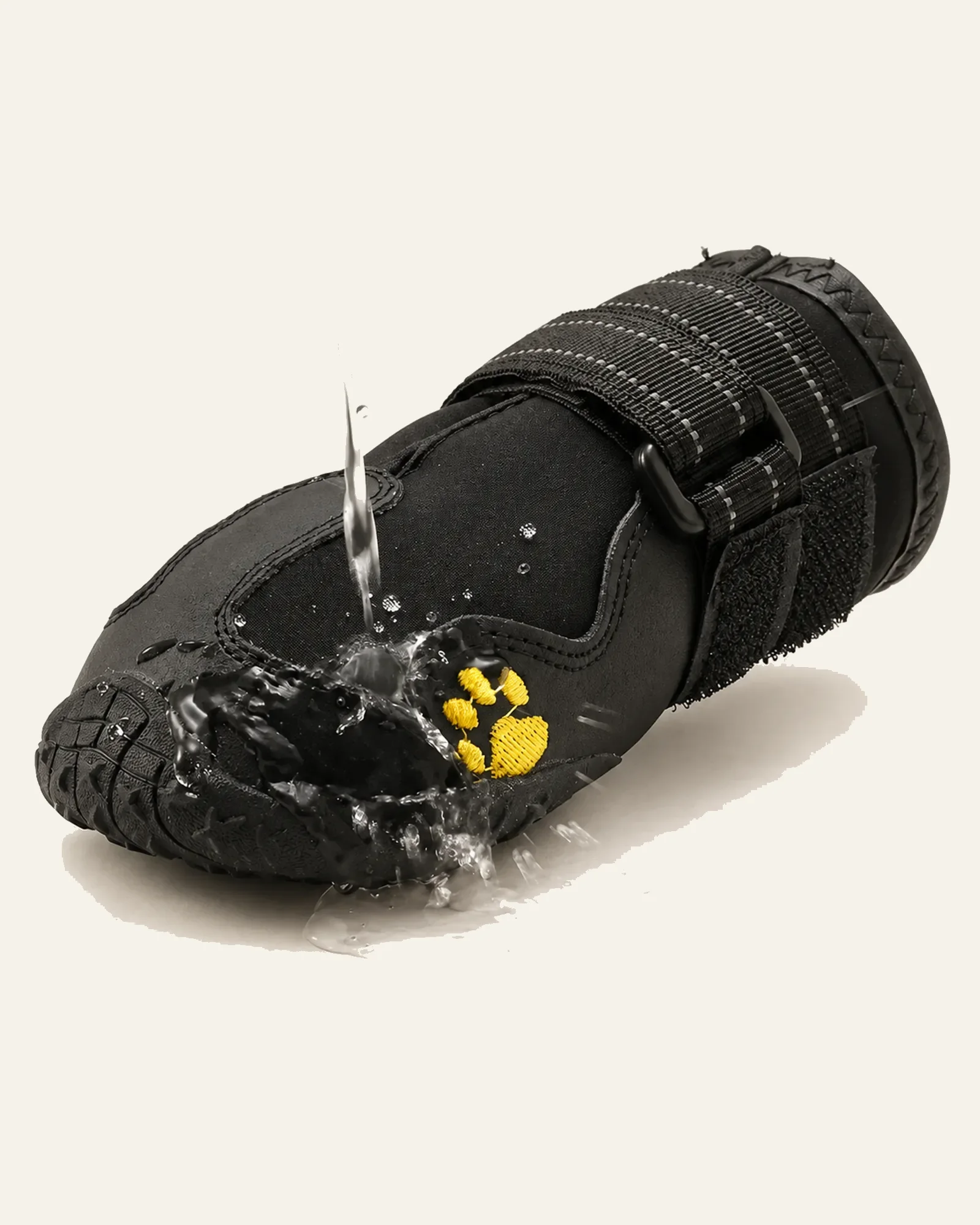
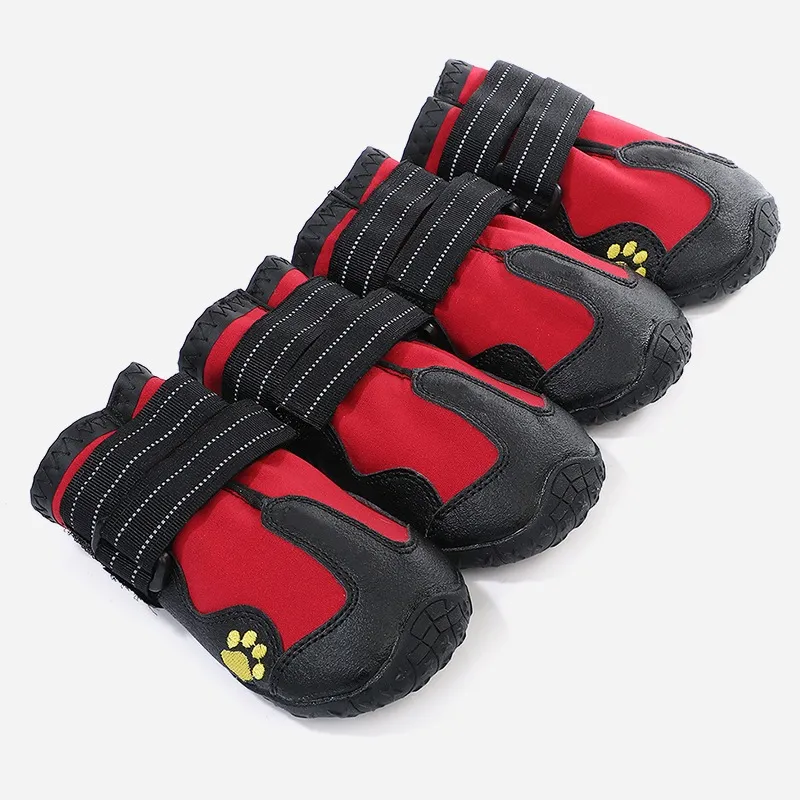
- 4Use boots when you can't avoid pavement. The same boots that handle salt and slush protect against heat.
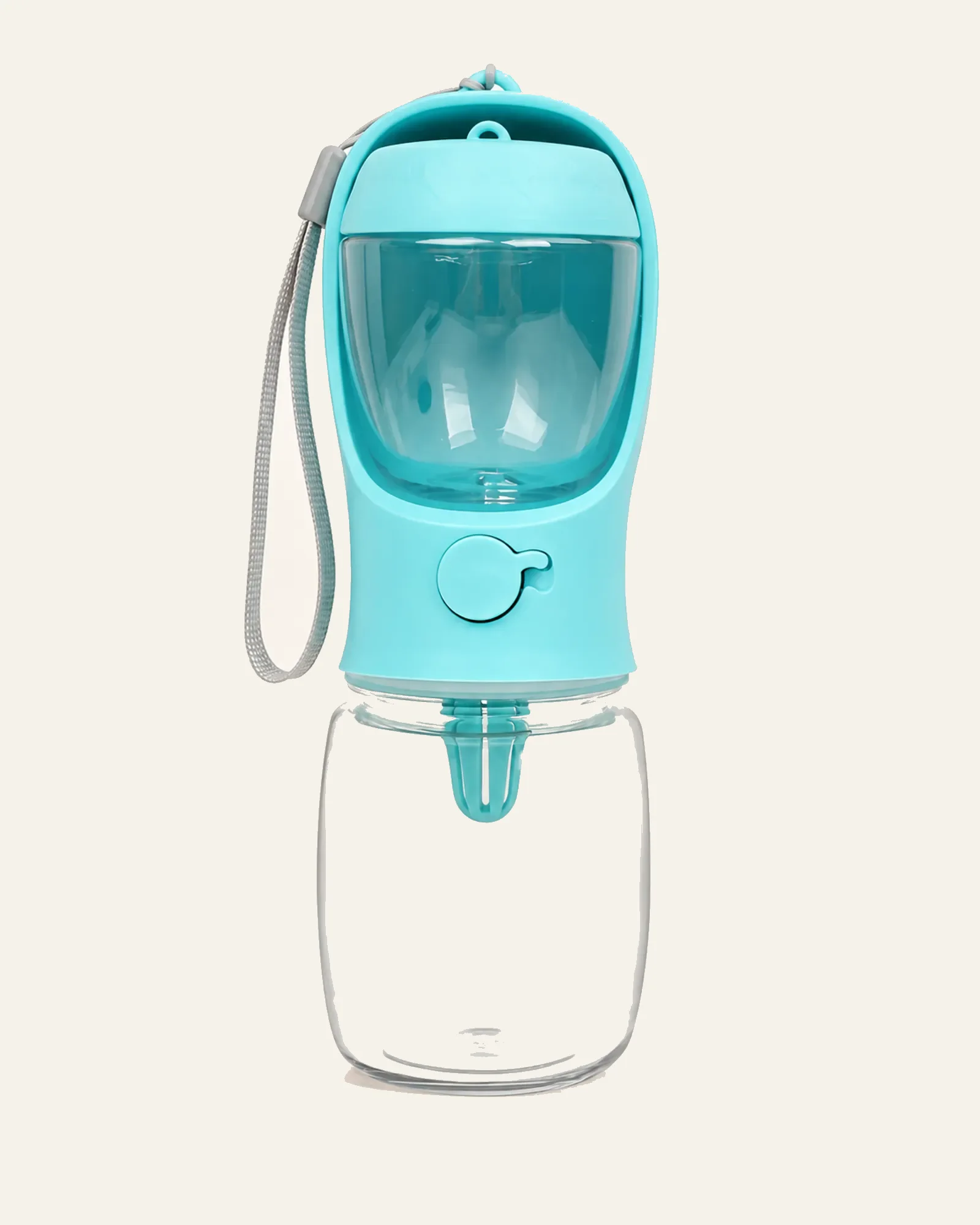
- 5Keep it short on hot days, and bring water.
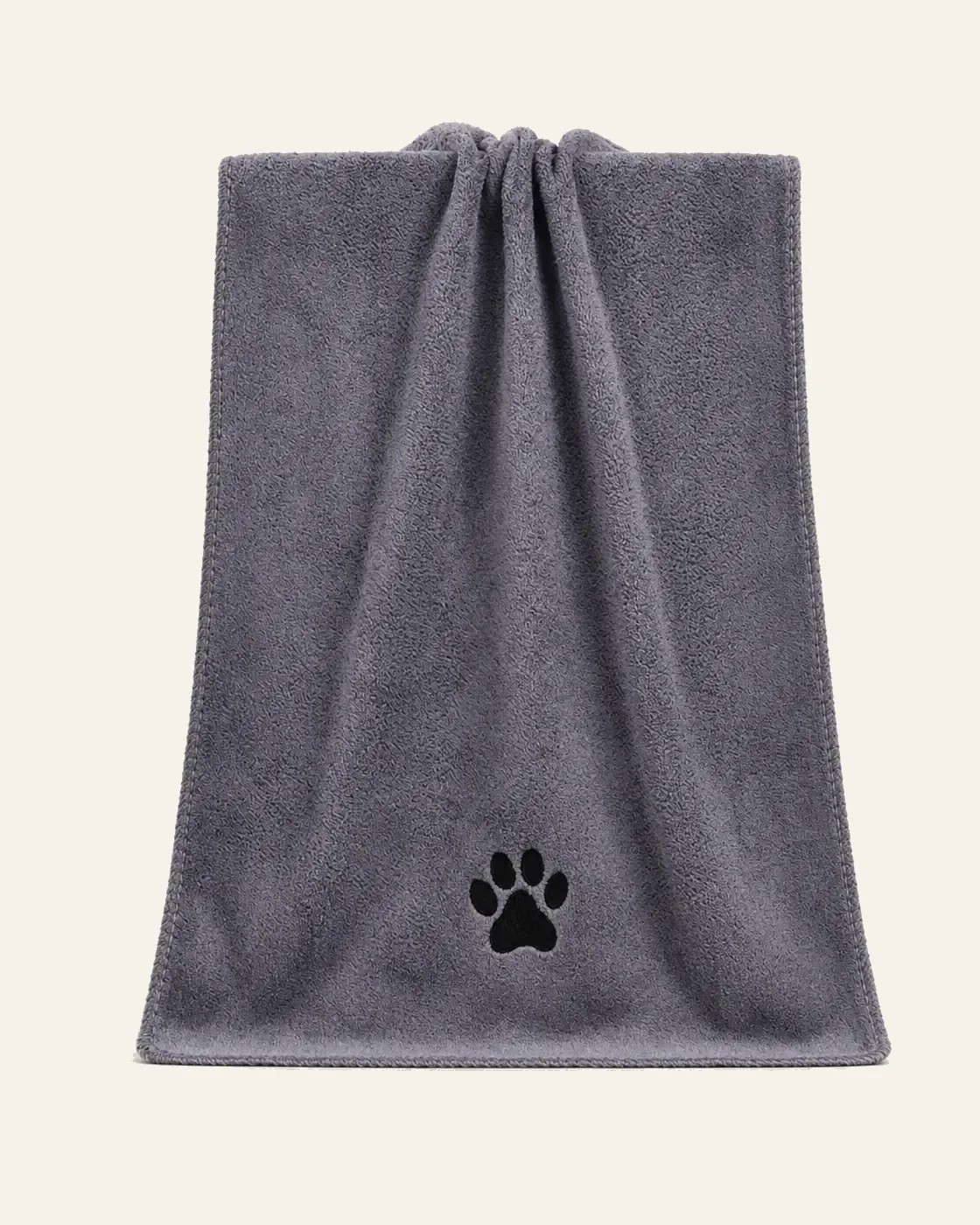
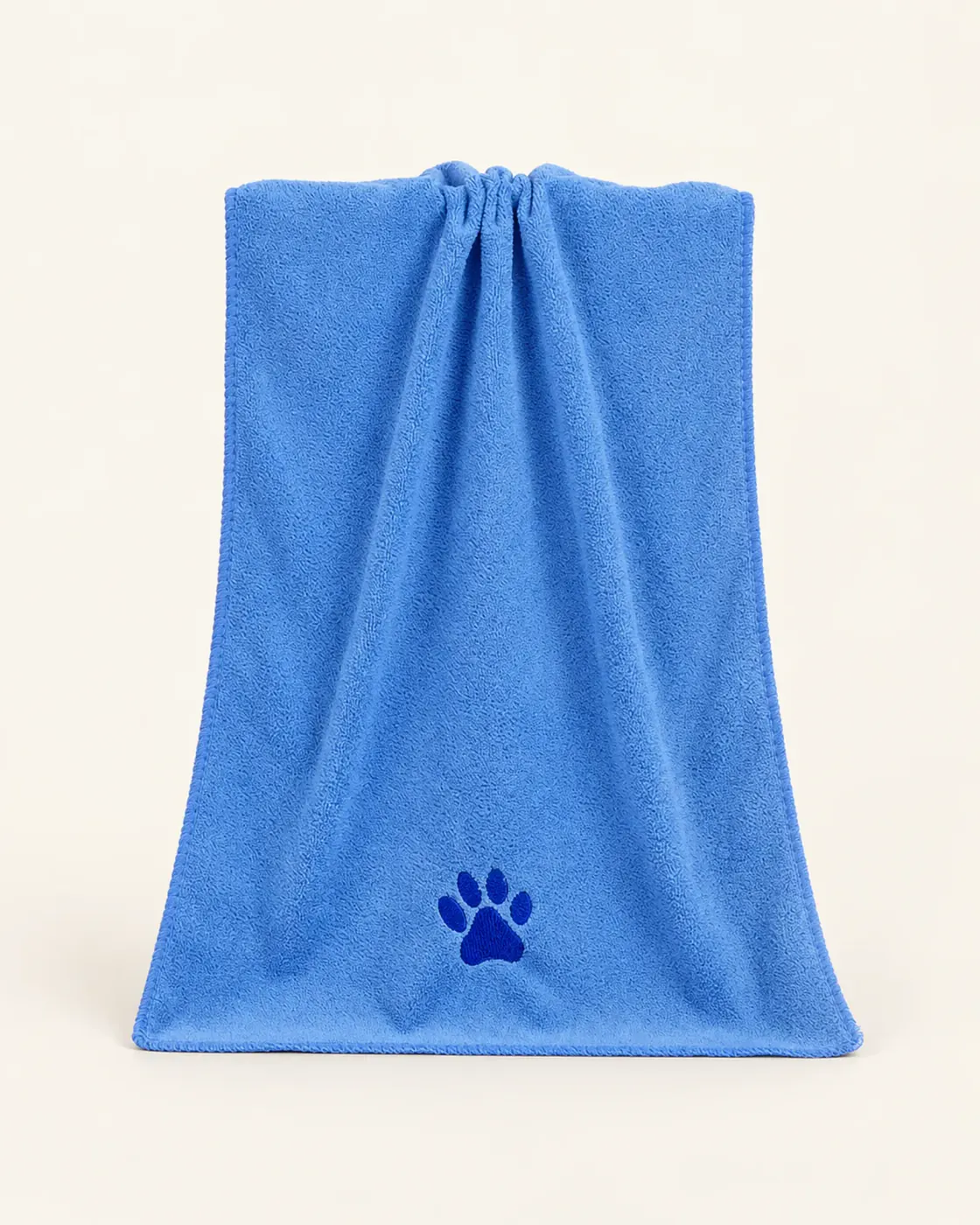
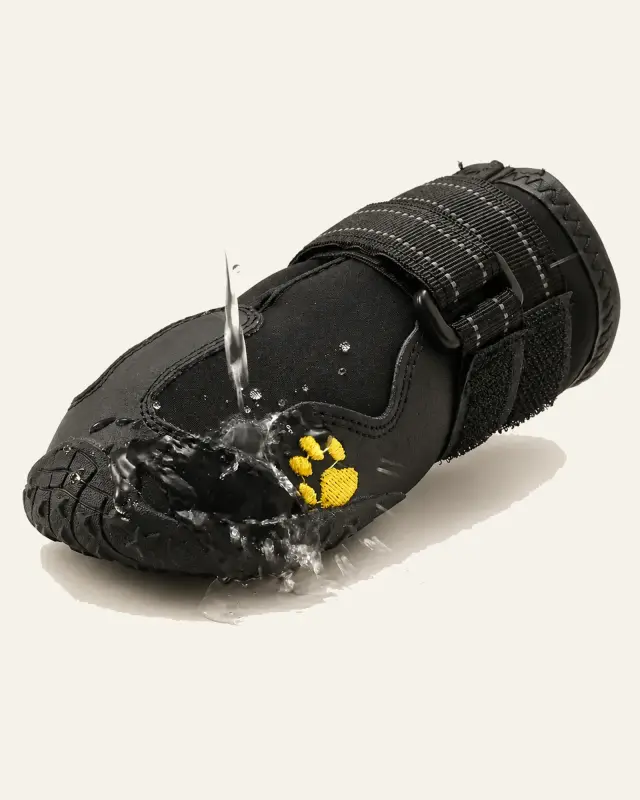 In our shopSlush-Proof Dog BootsGrippy soles and a secure strap. Winter slush or summer asphalt, they keep pads off the surface.$64.00Shop
 In our shop2-in-1 Walk BottleWater for your dog on hot walks, with a built-in trough.From $39.00Shop
Remember the rest of the dog

Questions people ask
At what temperature is pavement too hot for dogs?
Do dog boots work in summer?
Are sand and artificial turf safe?
Sources we checked
- Cornell Riney Canine Health Center: Heatstroke, a medical emergency
- Royal Veterinary College: Heatstroke in dogs and cats
Written by Northern Wag in Calgary and checked against the sources above. This is general information, not veterinary advice: if you're worried about your dog, call your vet.
Keep reading
All guides
Summer4 min read
Heatstroke in dogs: the signs, what to do right now, and how to prevent it
Spot it early, cool first, then drive to the vet. Plus which dogs are most at risk and how to plan hot-day walks.
Summer3 min read
Lakes, cottages and blue-green algae: water safety for dogs in Canada
Blue-green algae can be deadly to dogs, and you can't tell a toxic bloom by looking. How to spot one and what to do.
Winter5 min read
How cold is too cold to walk your dog? A Celsius guide for Canadian winters
A feels-like chart in Celsius for every size of dog, the signs it's time to turn around, and what actually buys you more time outside.