Walks & training
How to stop your dog pulling on the leash (without yanking)
The stop-and-go method, rewarding the right spot, what gear helps (and what doesn't), and a two-week plan.
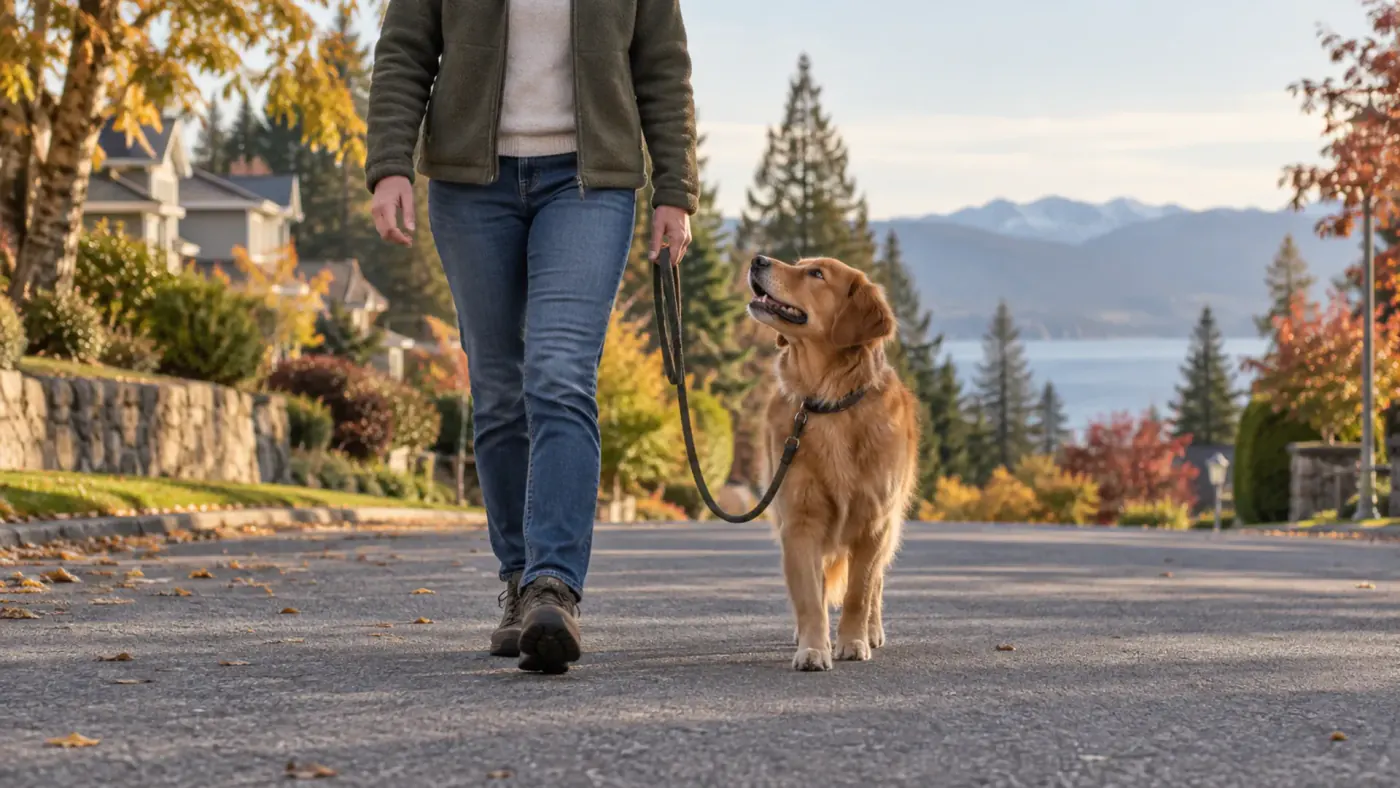
AI-generated illustration. Product photos on our product pages are real photos of what ships.
The short answer
- Dogs pull because pulling works: it gets them where they want to go.
- Stop the moment the leash goes tight; move again the moment it loosens.
- Reward often when your dog is next to you, especially in the first week.
- Gear helps comfort and control; consistency is what changes the behaviour.
On this page (6 sections)
The stop-and-go method
- 1Leash goes tight: you stop. Plant your feet, hands close to your body. Don't pull back, don't say anything.
- 2Wait for slack. Your dog will eventually look back, step back, or sit. The leash loosens.
- 3The moment it loosens, move on. Moving forward is the reward. Add a "yes!" and a treat for bonus points.
- 4Repeat. Every. Single. Time. The first walks will be slow. That's the training.
Pay for the right position
- Pick a side and keep treats in the hand on that side.
- When your dog is next to your leg with a loose leash, mark it ("yes!") and treat at your leg, not in front of you.
- In week one, reward every few steps. Gradually space the rewards out.
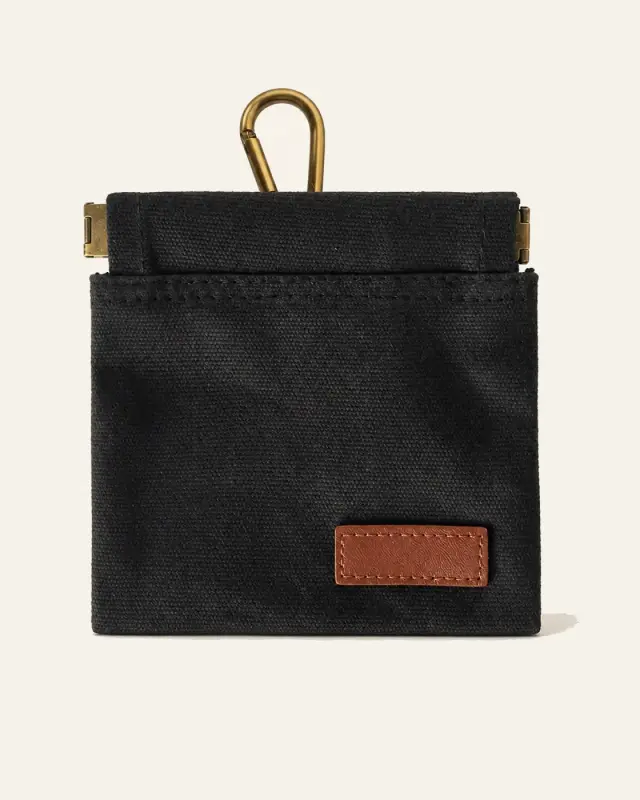 In our shopTrail Treat PouchOpens with one hand and clips to a belt loop, so rewards arrive in the half-second that counts.$24.00Shop
Change direction
The gear question
| Gear | Helps with | Doesn't |
|---|---|---|
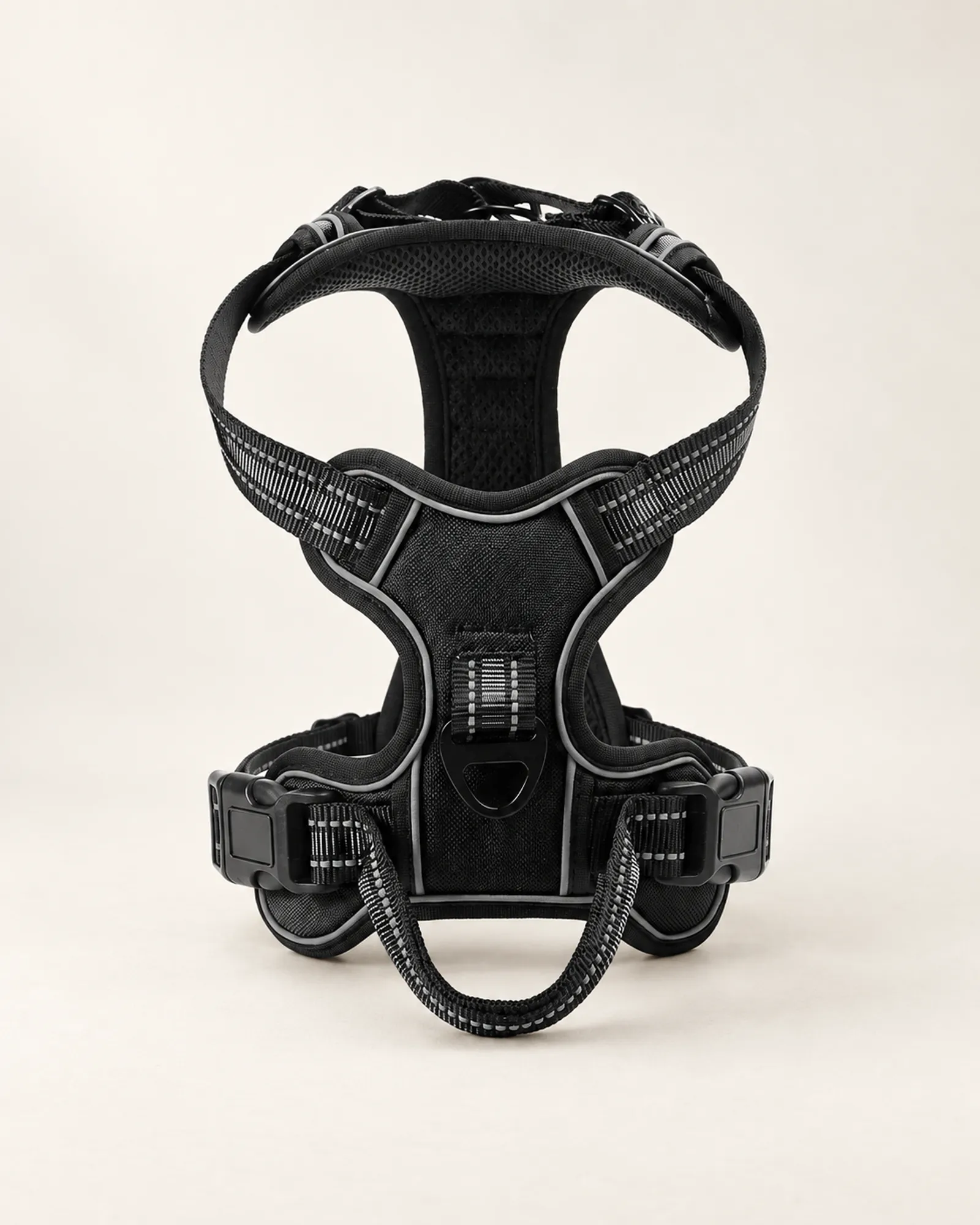
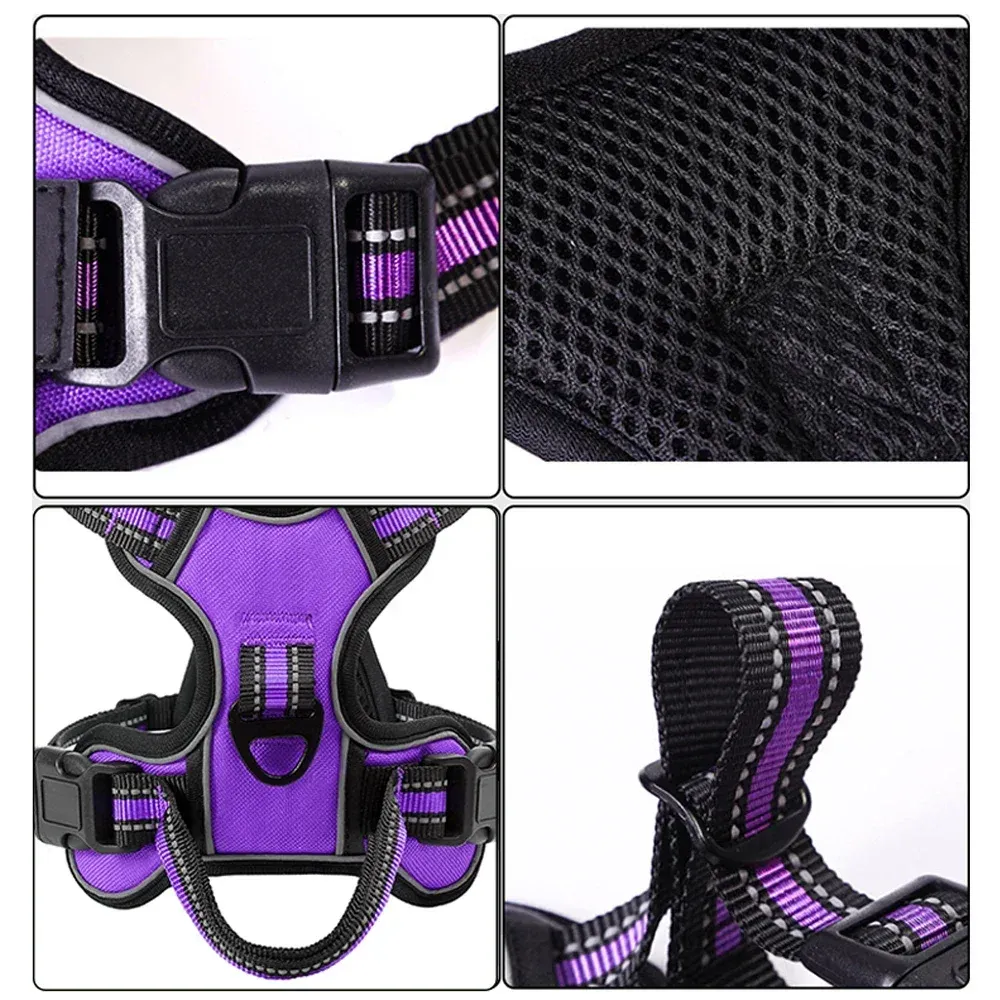
| Padded back-clip harness | Comfort, protects the neck, handle for control | Stop pulling on its own |
| Front-clip harness | Makes pulling less effective while you train | Replace training |
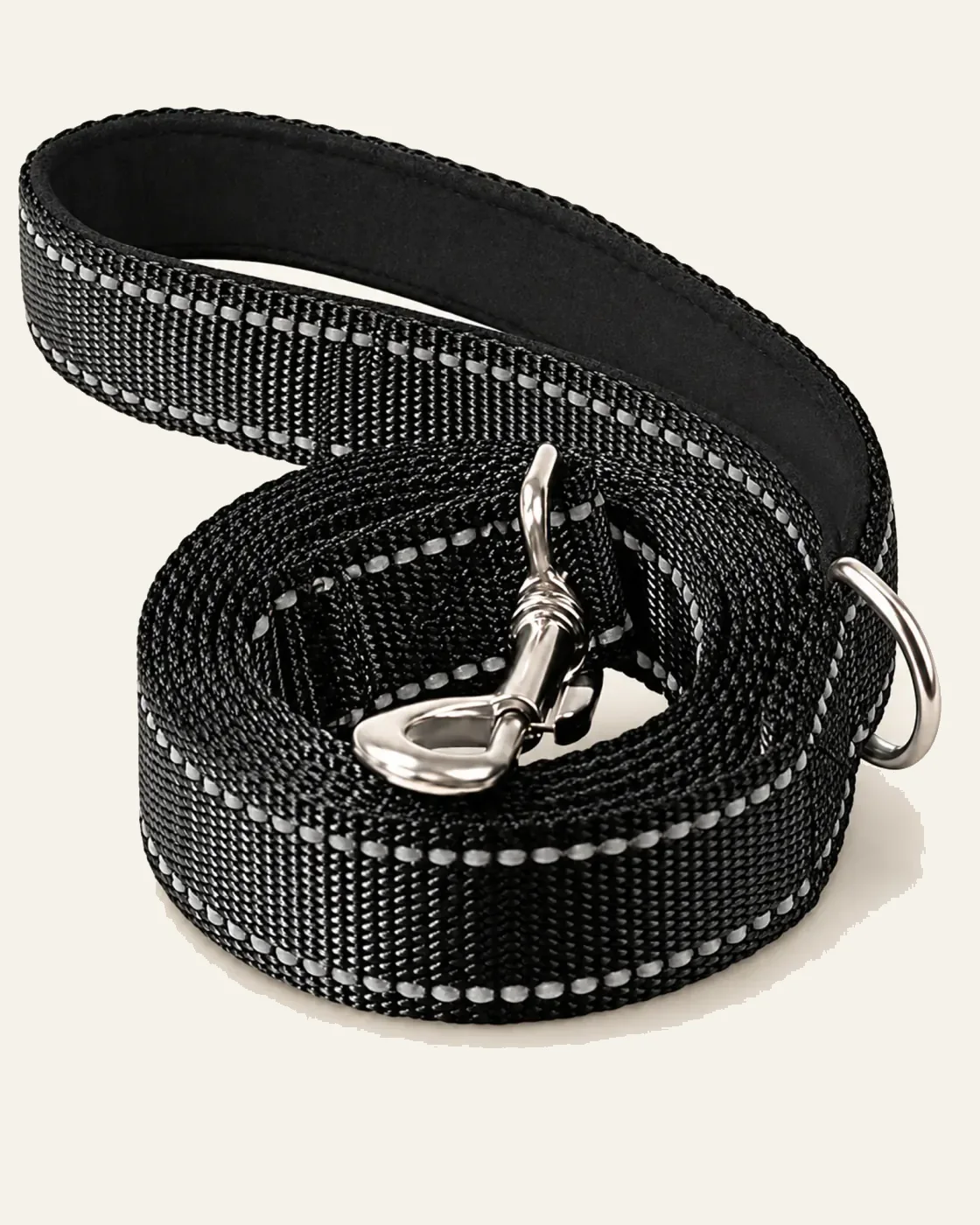
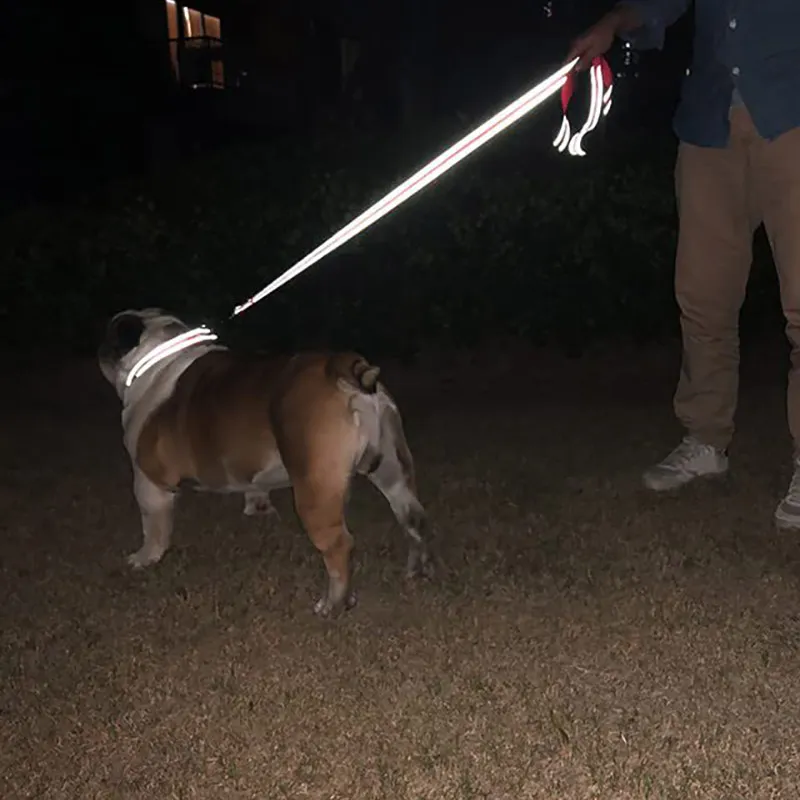
| Fixed 1.5 to 2 m leash | Consistent feedback, easy to hold short | |
| Retractable leash | Loose-leash training (it rewards pulling) |
A two-week plan
| Days | Focus |
|---|---|
| 1 to 3 | Indoors and driveway. Stop-and-go, reward at your leg every few steps |
| 4 to 7 | Quiet street. Five to ten minutes of focused practice, then a relaxed sniff walk |
| 8 to 10 | Add mild distractions. Use direction changes |
| 11 to 14 | Normal routes. Reward less often, but keep rewarding |
When it's still hard
Questions people ask
How long does loose-leash training take?
Do no-pull harnesses work?
Should I use a retractable leash?
Sources we checked
- Atlanta Humane Society: Preventing leash pulling
- Best Friends Animal Society: No-pull harnesses
- Frontiers in Veterinary Science (2021): Pulling force on collars vs harnesses
Written by Northern Wag in Calgary and checked against the sources above. This is general information, not veterinary advice: if you're worried about your dog, call your vet.
Keep reading
All guides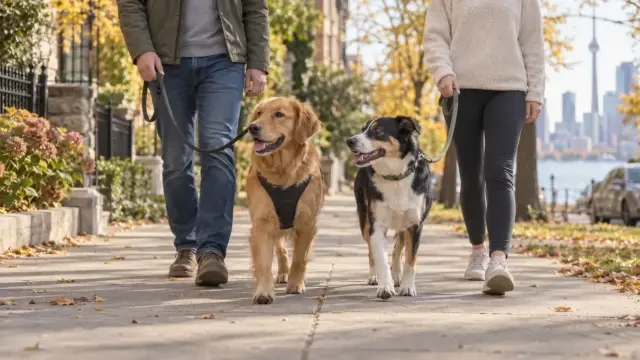
Walks & training3 min read
Harness or collar? What the research says
What studies found about neck pressure and pulling, which dogs should always use a harness, and why a collar still has a job.
Walks & training4 min read
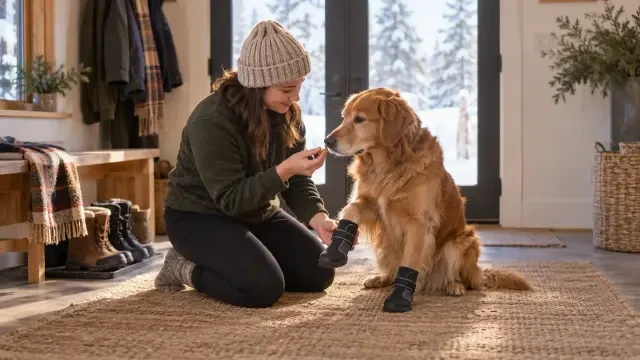
How to get your dog to wear boots: a 7-day plan
A day-by-day, treat-based plan from first sniff to a full salted-sidewalk walk, and fixes for the usual problems.
Travel & outdoors4 min read
Hiking and camping with your dog: a Canadian summer trail guide and packing list
How far your dog can hike, what to pack, what to do about wildlife, and the checks to do when you get home.