Walks & training
Harness or collar? What the research says
What studies found about neck pressure and pulling, which dogs should always use a harness, and why a collar still has a job.
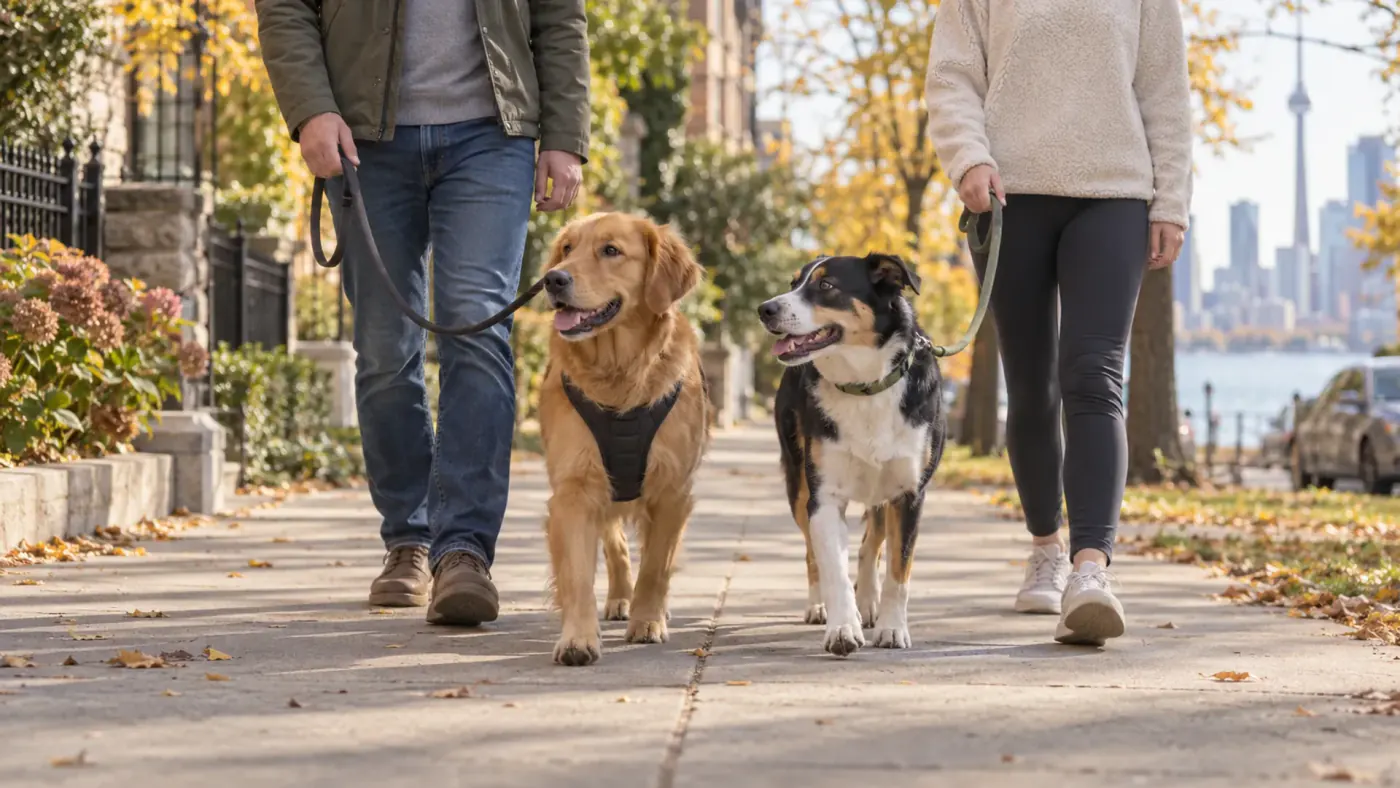
AI-generated illustration. Product photos on our product pages are real photos of what ships.
The short answer
- A collar concentrates pressure on the neck; a harness spreads it across the chest.
- Small dogs, flat-faced breeds and dogs with tracheal or neck problems should walk on a harness.
- A back-clip harness doesn't stop pulling by itself. Training does.
- Most dogs should still wear a collar or tag for ID, even if they walk on a harness.
On this page (6 sections)
What a collar does to the neck
- Tracheal irritation, and worsening of tracheal collapse, which is common in small breeds such as Yorkshire terriers, Pomeranians and chihuahuas.
- Raised pressure inside the eye. A study measuring intraocular pressure found it rose when dogs pulled against a collar, which matters for dogs with glaucoma or thin corneas.
- Neck strain from repeated jolts, especially with sudden lunges.
What a harness changes
Who should always use a harness
| Dog | Why |
|---|---|
| Toy and small breeds | Delicate windpipes, and higher risk of tracheal collapse |
| Flat-faced breeds (pugs, French bulldogs) | Already work harder to breathe |
| Dogs with neck, spine or eye conditions | Keeps pressure off the neck and head |
| Strong pullers and lungers | Spreads force away from the throat |
| Dogs who slip collars | A well-fitted harness is harder to back out of |
What to look for in a harness
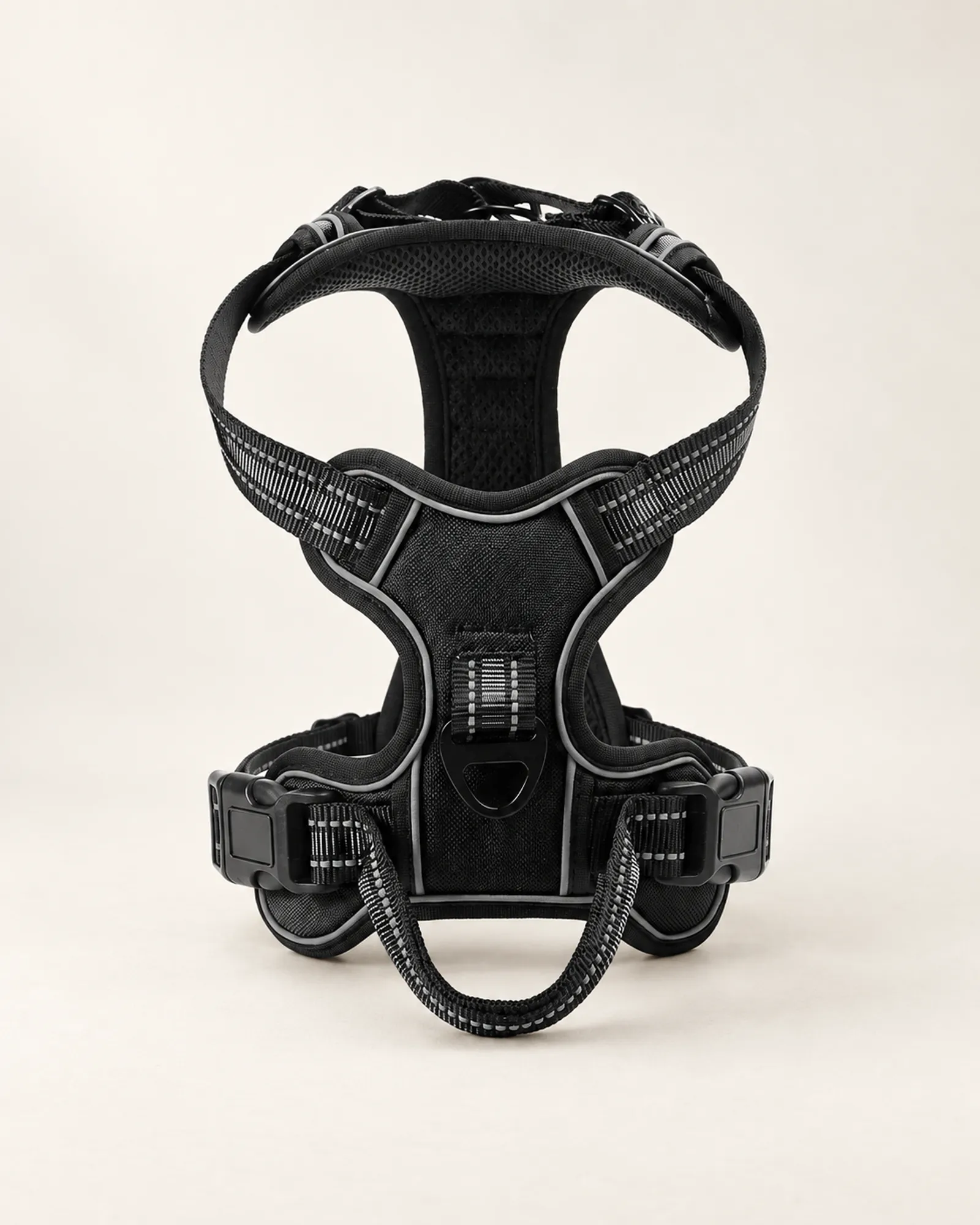
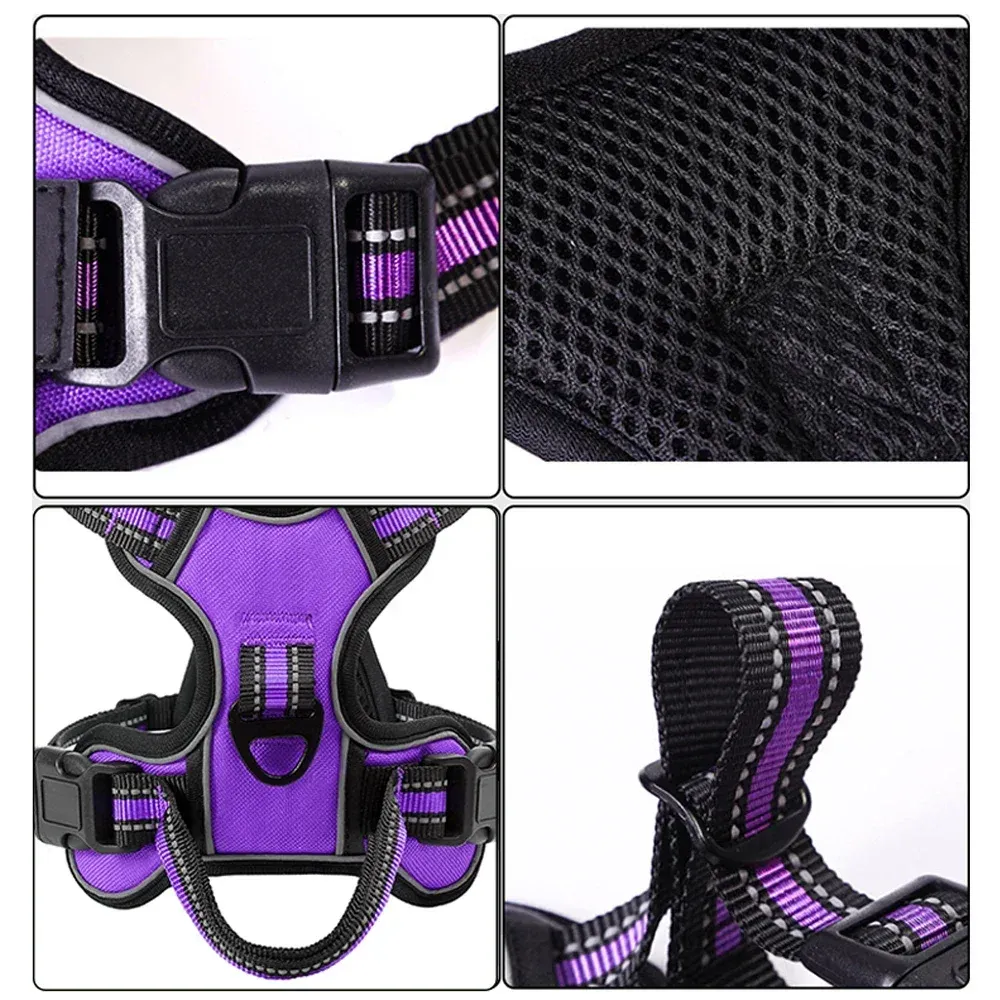
- Padding on the chest plate so pressure doesn't dig in
- Adjustable neck and chest straps for a snug fit
- A top handle for helping over snowbanks and in and out of cars
- Reflective stitching for dark evenings
- Quick-release buckles so it goes on in seconds
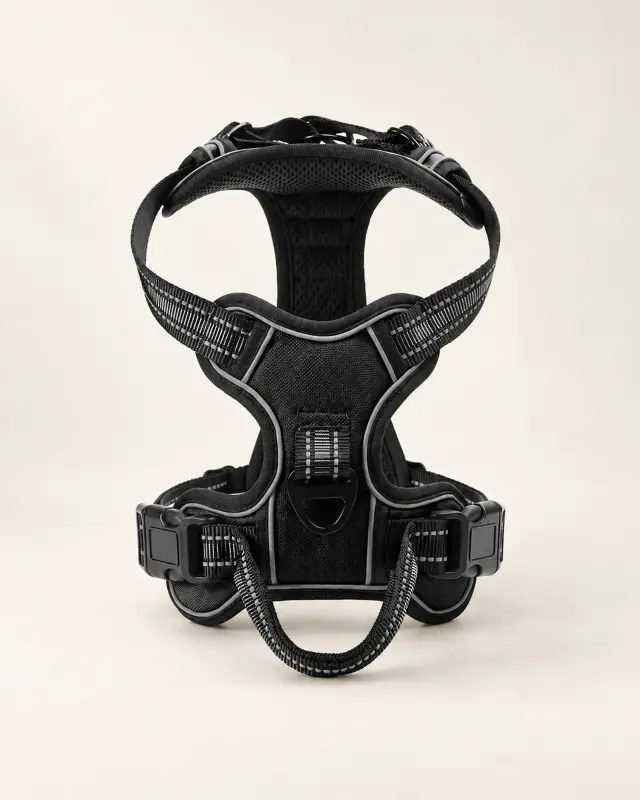 In our shopTrailhead Padded HarnessPadded chest plate, reflective stitching, top grab handle and two quick-release buckles.$39.00Shop
Why your dog still needs a collar
Fit check


Questions people ask
Is a harness better than a collar?
Do harnesses make dogs pull more?
Can my dog wear a harness all day?
Sources we checked
- Frontiers in Veterinary Science (2021): Dog pulling on the leash, neck collar vs chest harness
- Effect of a collar and harness on intraocular pressure (Veterinary Medicine and Science)
Written by Northern Wag in Calgary and checked against the sources above. This is general information, not veterinary advice: if you're worried about your dog, call your vet.
Keep reading
All guides
Walks & training4 min read
How to stop your dog pulling on the leash (without yanking)
The stop-and-go method, rewarding the right spot, what gear helps (and what doesn't), and a two-week plan.

Travel & outdoors4 min read
Bringing your dog to Banff, Jasper and other national parks: the rules and a day-hike kit
The 3-metre leash rule, why it matters with bears and elk, trail etiquette, and a day-hike kit for your dog.
Health & safety3 min read
Walking your dog in the dark: how to be seen from a block away
From November most walks happen in the dark. How reflective gear and lights work, and a simple setup that makes you both visible.