Winter
Your puppy's first winter: a checklist for Canadian owners
House training in the snow, how long puppies can be out in the cold, gear for growing dogs, and indoor ways to tire them out.
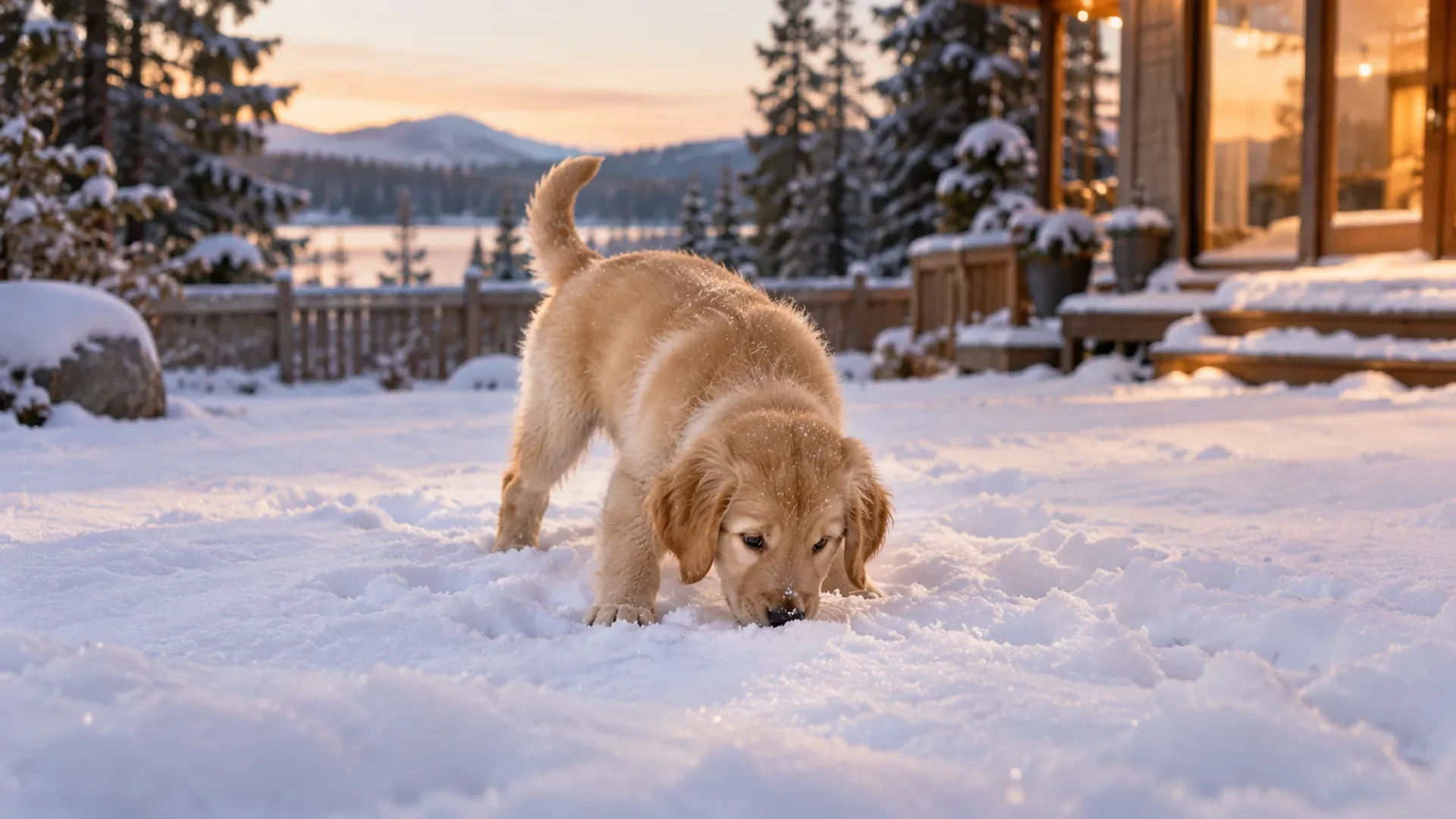
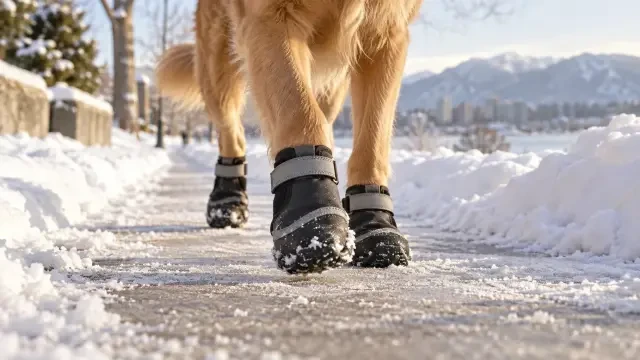
AI-generated illustration. Product photos on our product pages are real photos of what ships.
The short answer
- Puppies under six months get cold faster: keep outings short and watch closely.
- Clear a potty patch near the door and go out often, right after meals and naps.
- Buy adjustable gear: puppies can change size every few weeks.
- Keep salt, antifreeze and ice melt out of reach: puppies taste everything.
On this page (7 sections)
Cold tolerance: puppies feel it more
- Keep outings short on cold days, and build up.
- Watch for shivering, paw-lifting and trying to go back in.
- Dry them off when you come in, especially the belly.
House training in the snow
- 1Shovel a potty patch close to the door. Puppies won't wade into deep snow.
- 2Same spot, same times: after waking, after meals, after play, and before bed.
- 3Leash on, so trips stay short and focused rather than turning into snow play.
- 4Reward right there, the second they finish.
- 5Keep it quick. A cold puppy is a distracted puppy.
The first-winter checklist
- Adjustable harness for walks, and a collar with ID
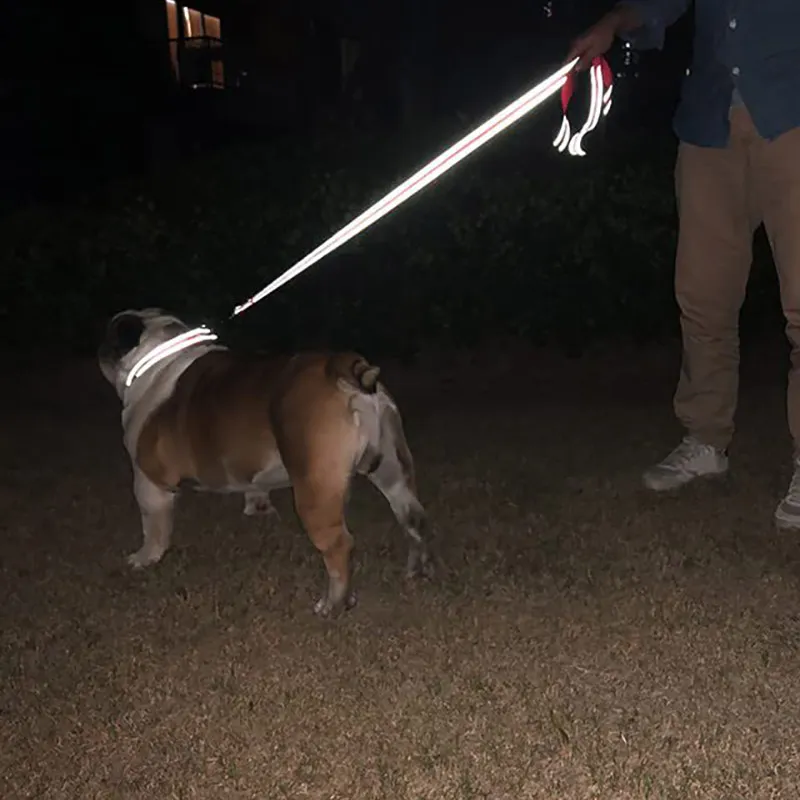
- A leash (1.5 to 2 m; skip the retractable while training)
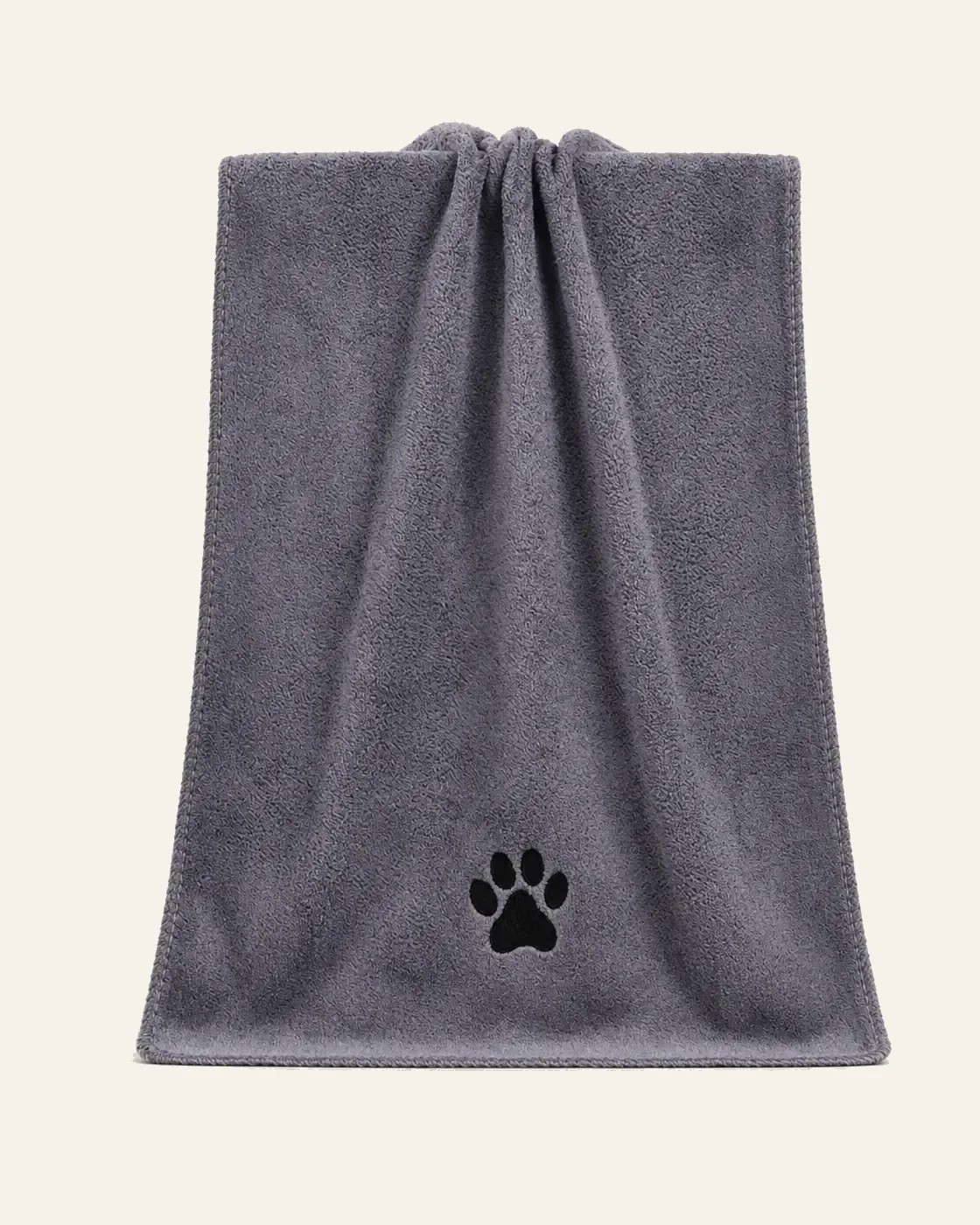
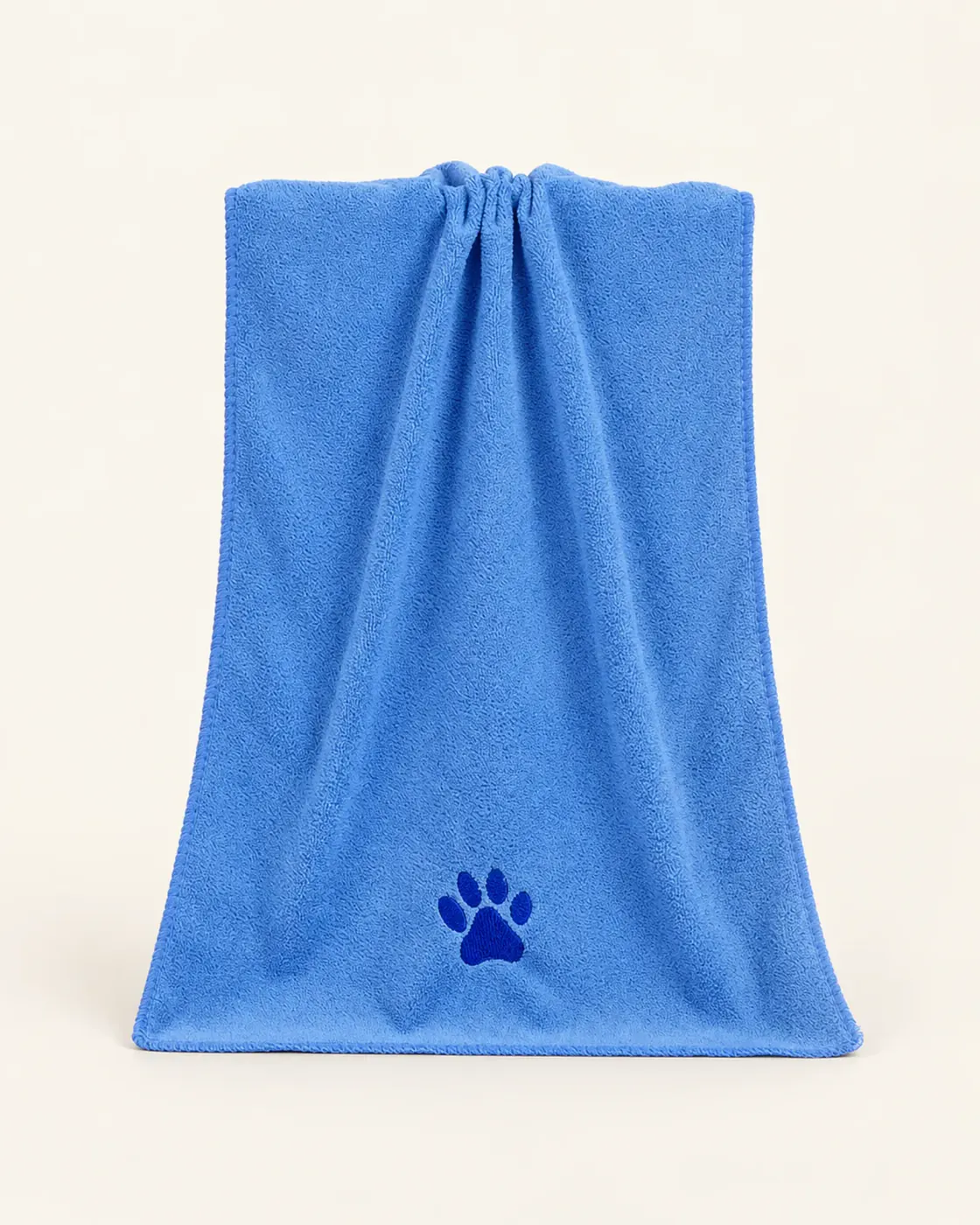
- Towel at the door for snow and slush
- Coat for small, short-coated or lean puppies
- Boots if you walk salted sidewalks, with early practice
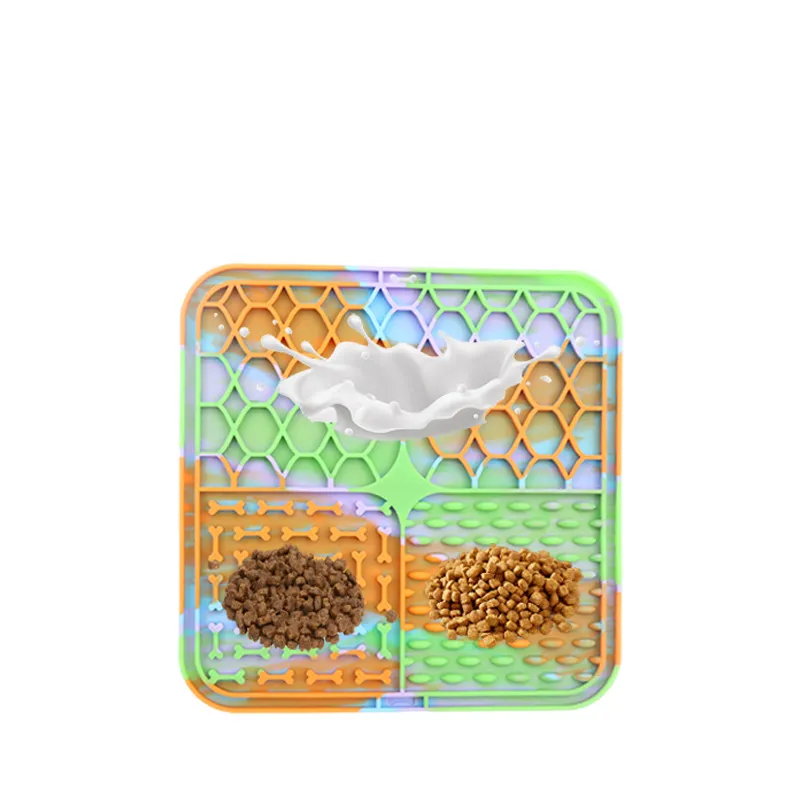
- Chew toys for teething, and a lick mat for calm time
- Pet-safe ice melt, sand or kitty litter for your own steps
- Vet check for vaccines and parasite prevention before busy dog areas
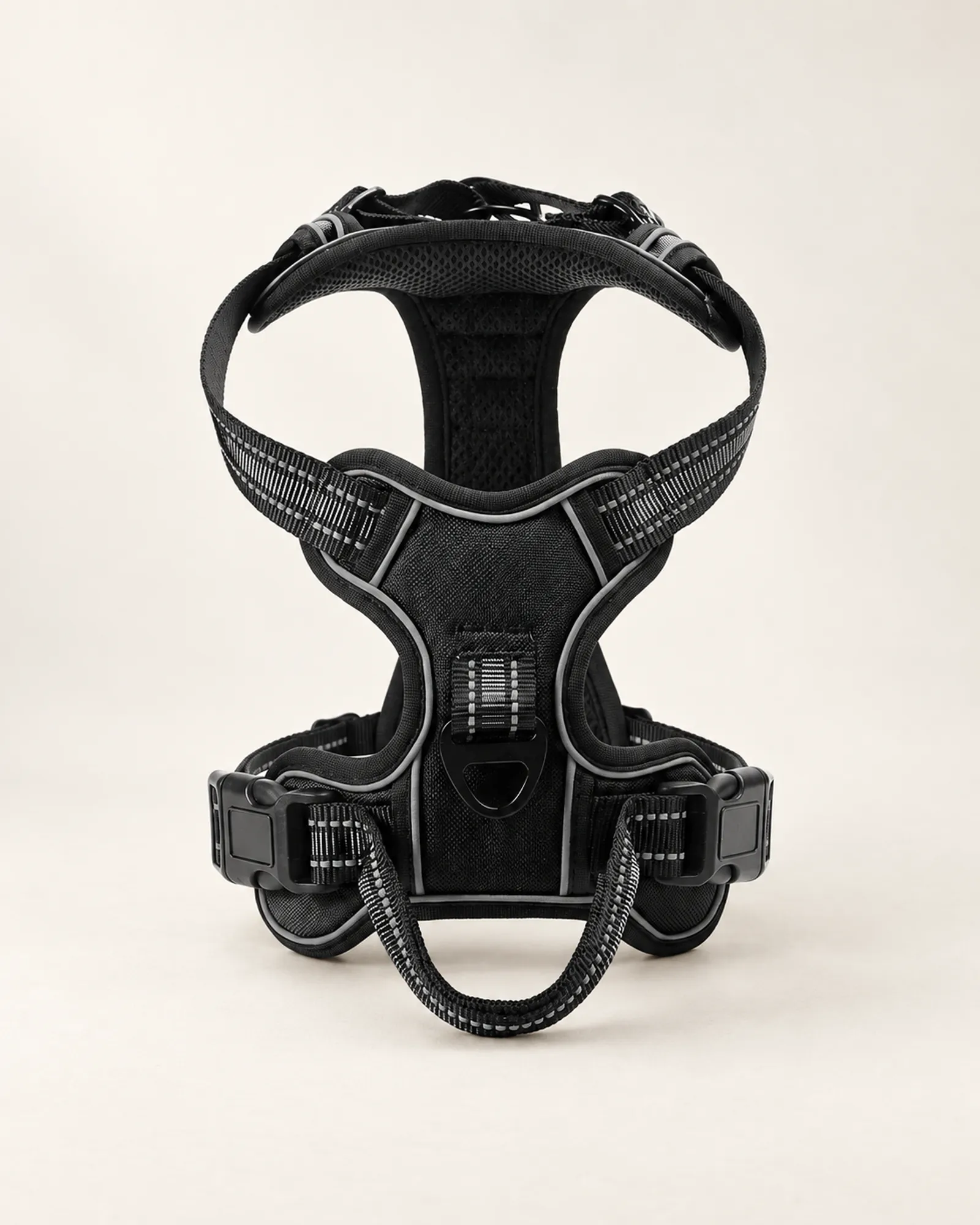
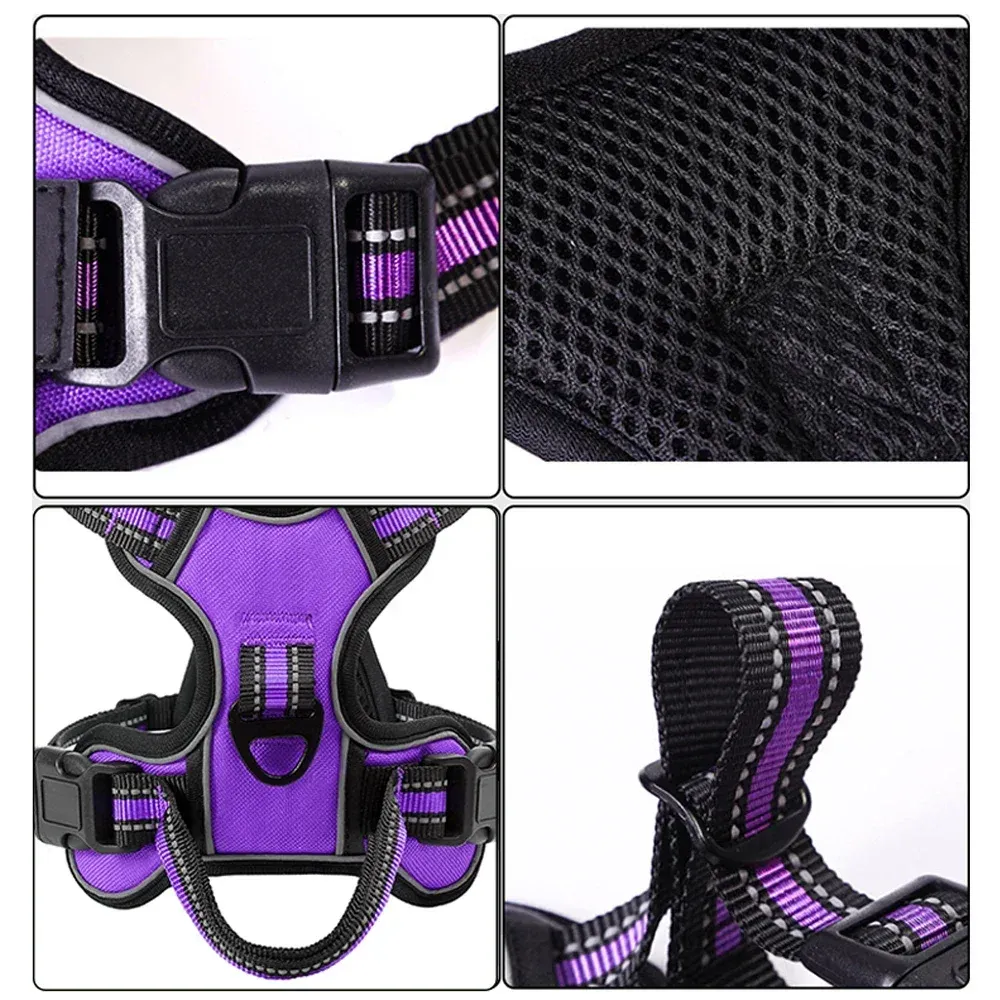
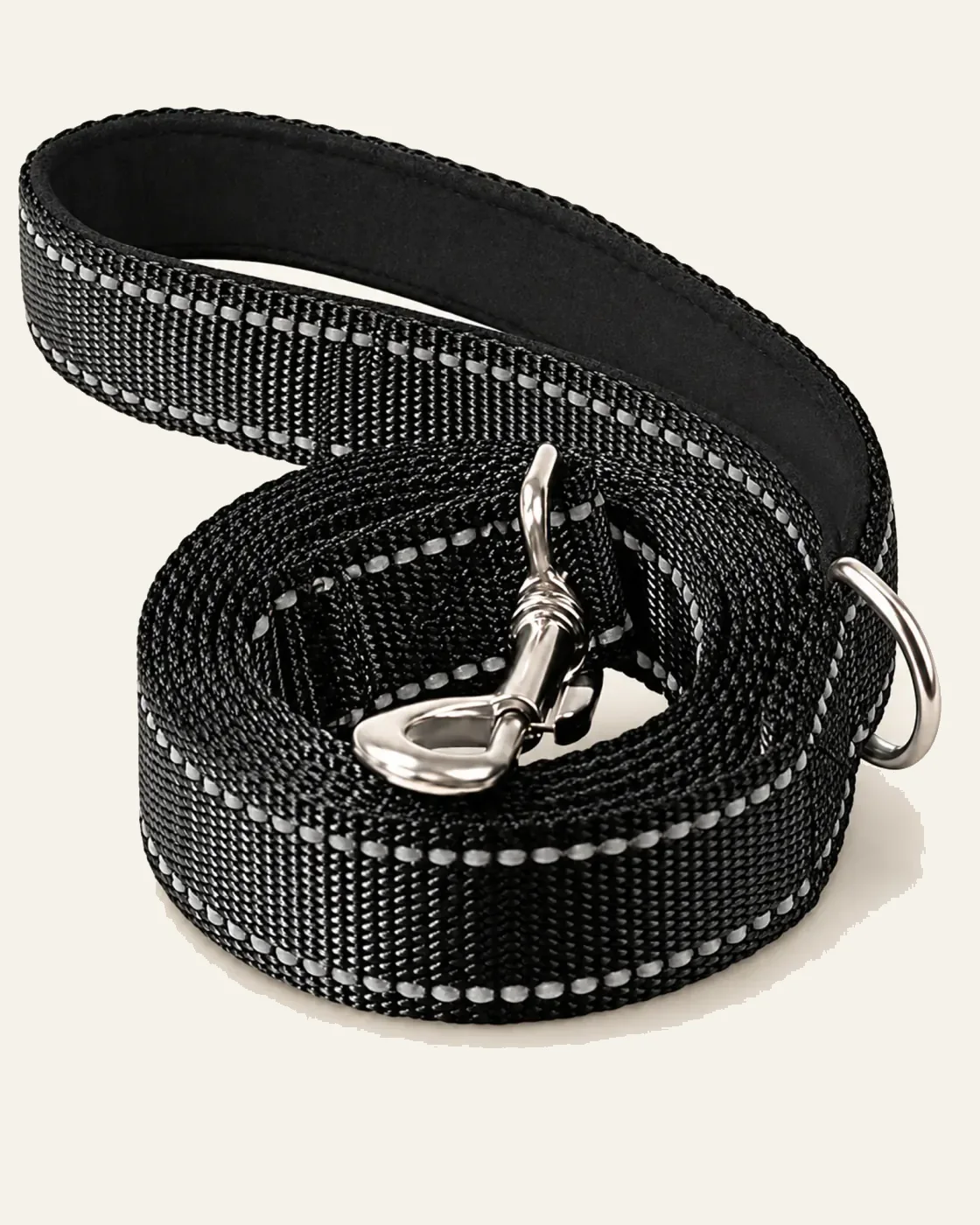
Buying gear for a growing dog
Hazards puppies find first
Burning energy indoors
- Scatter-feed their kibble on a rug
- Five-minute training sessions (sit, down, touch, wait)
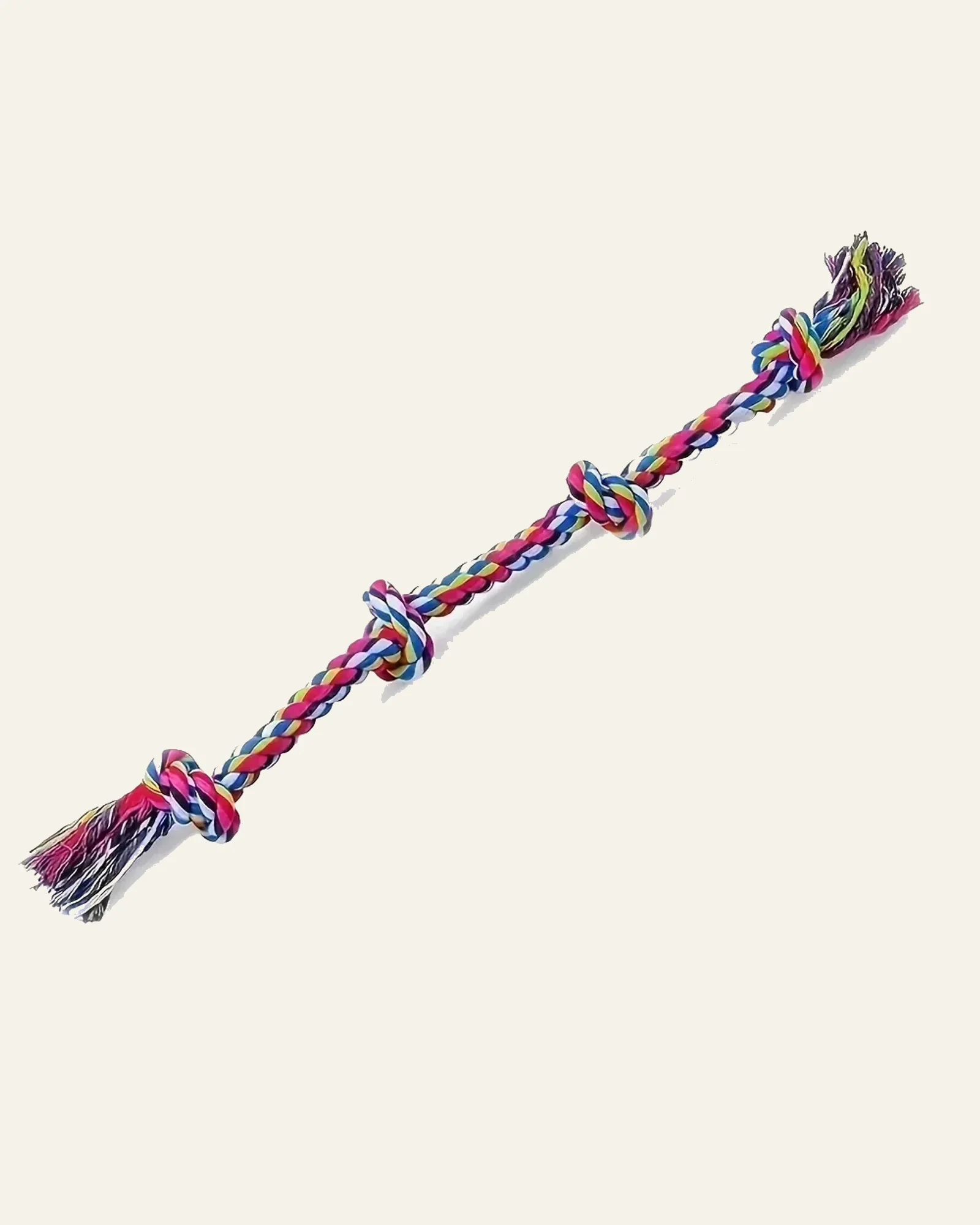
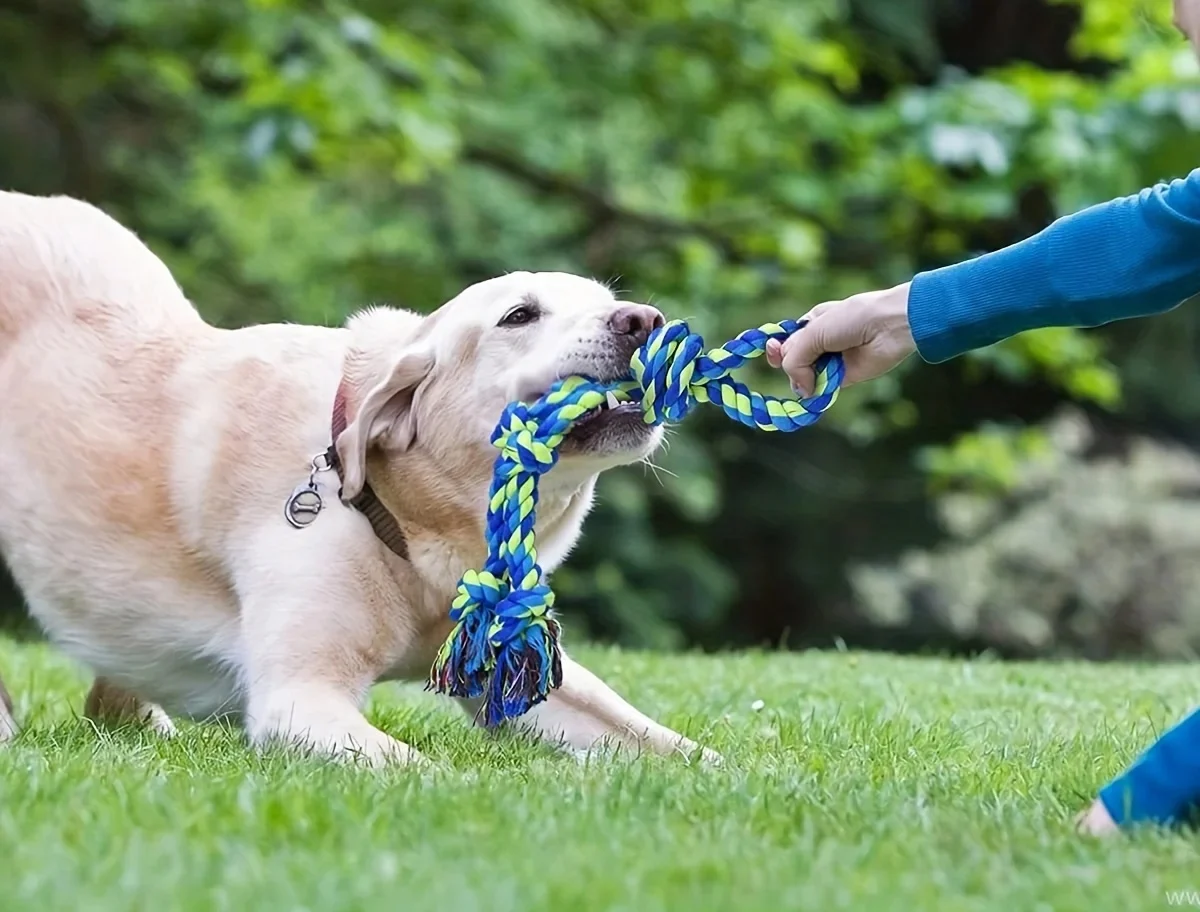
- Tug with rules
- A frozen lick mat for settling down

Enjoy it
Questions people ask
How long can a puppy be outside in the cold?
How do I house train a puppy in winter?
Should I buy my puppy boots and a coat?
Sources we checked
- Tufts Animal Care and Condition scale (age adjustment for cold)
- AKC: Teaching your dog to wear winter clothes
Written by Northern Wag in Calgary and checked against the sources above. This is general information, not veterinary advice: if you're worried about your dog, call your vet.
Keep reading
All guides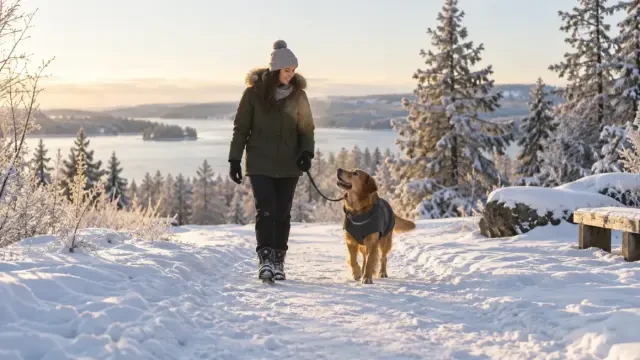
Winter5 min read
How cold is too cold to walk your dog? A Celsius guide for Canadian winters
A feels-like chart in Celsius for every size of dog, the signs it's time to turn around, and what actually buys you more time outside.
Winter4 min read
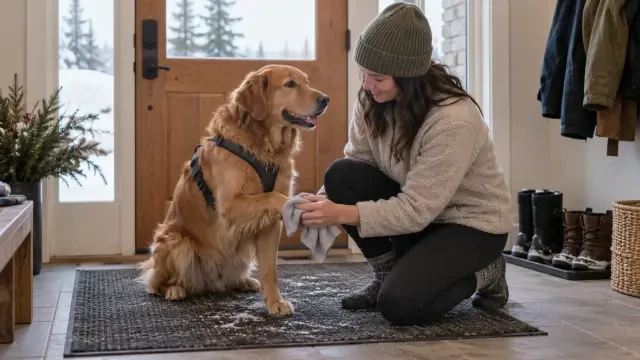
Road salt and your dog's paws: what it does and how to protect them
Why de-icing salt burns paw pads, why the licking matters as much as the walking, and a two-minute routine that fixes most of it.
Winter3 min read
Do dogs need boots in winter? An honest answer
Not every dog needs them. Here's exactly when boots help, when they don't, and what makes a pair stay on.