Grooming
How to dry a wet dog fast (and get rid of the wet-dog smell)
The doorway routine for rainy, snowy and muddy walks, what really causes wet-dog smell, and when a hair dryer is OK.
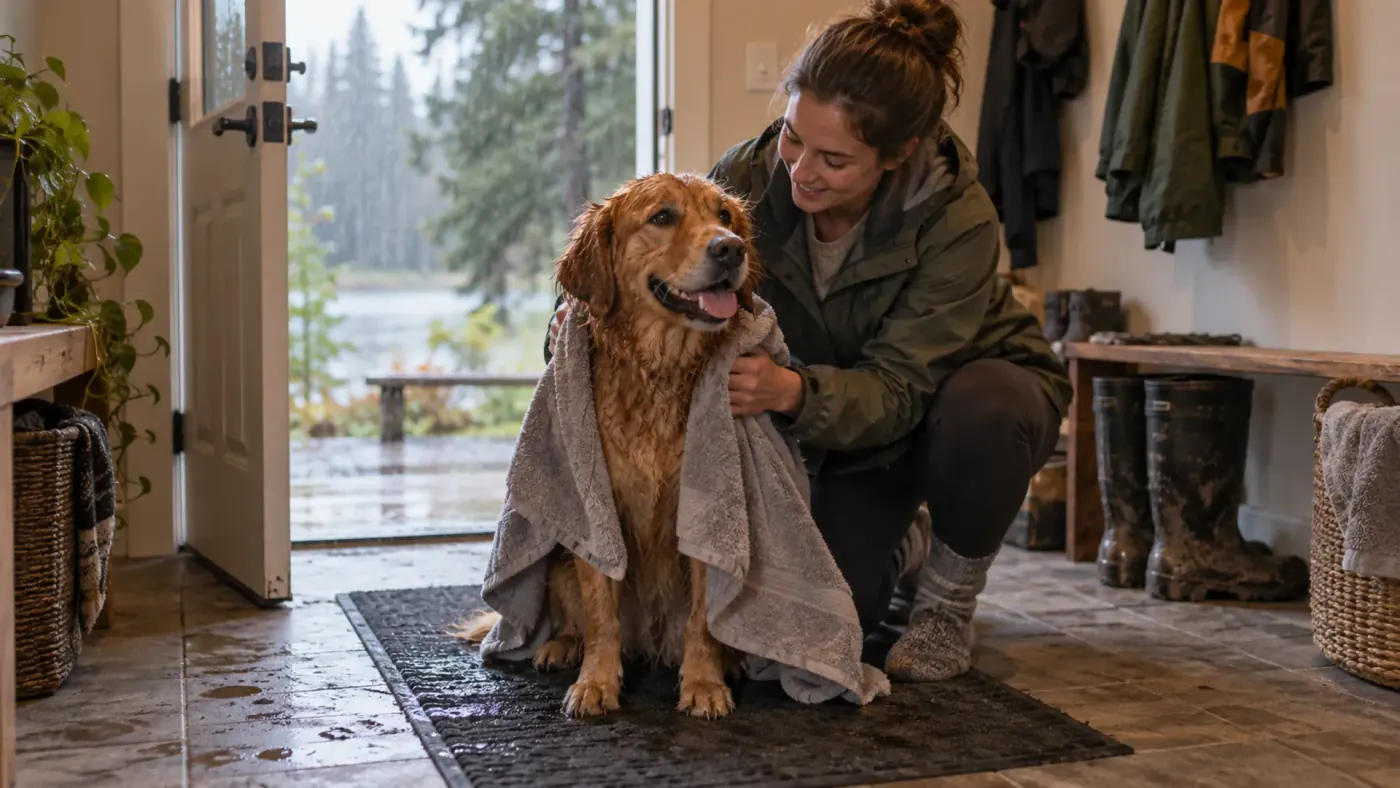
AI-generated illustration. Product photos on our product pages are real photos of what ships.
The short answer
- Wet-dog smell comes from compounds released by the yeast and bacteria that live on your dog's skin; water helps them evaporate.
- Blot and squeeze, don't rub, then dry the belly, legs and between the toes.
- A microfibre towel absorbs far more than a cotton bath towel.
- A hair dryer on low and warm, held well away, is fine for most dogs. Never hot.
On this page (5 sections)
Where the smell comes from
The doorway routine
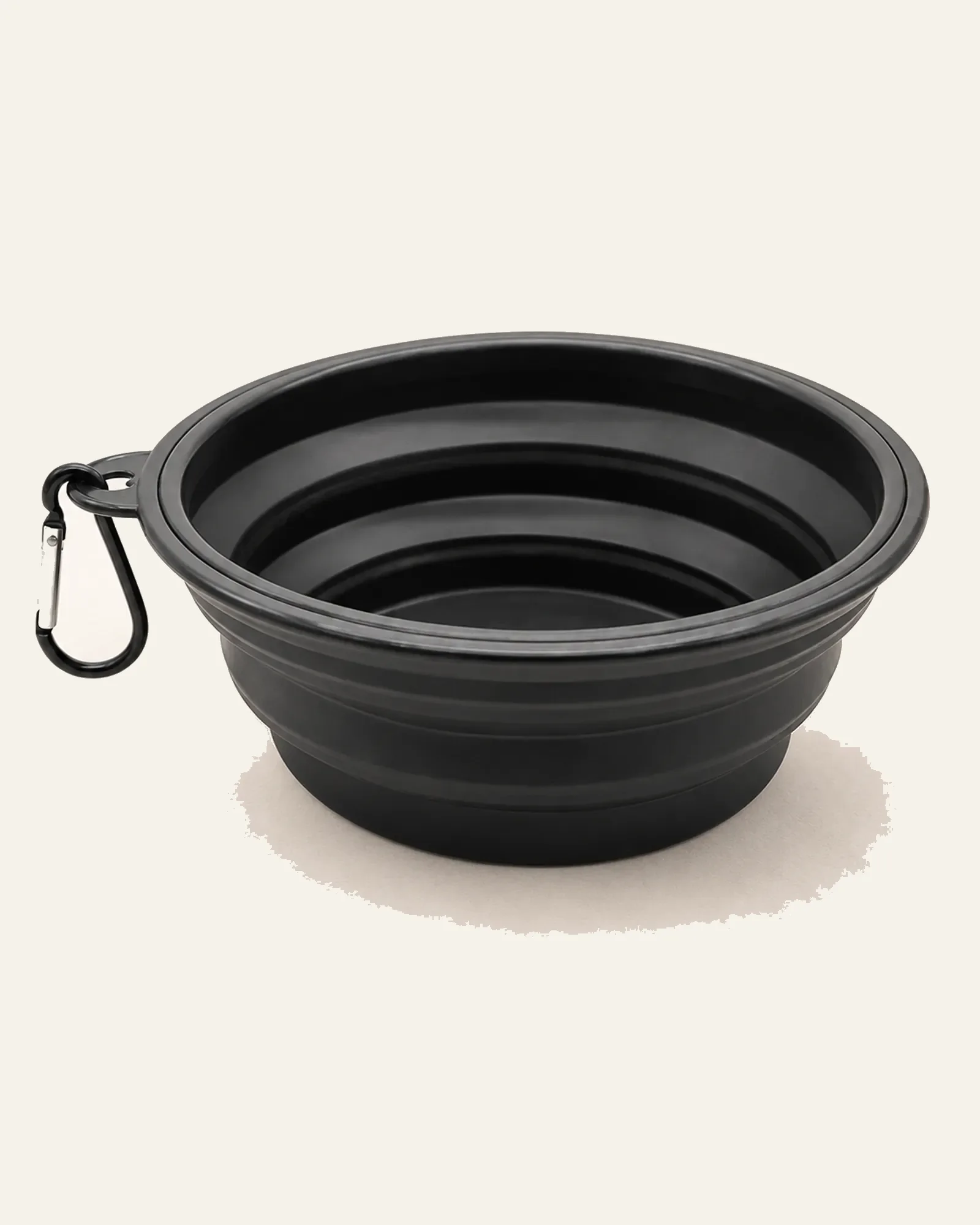
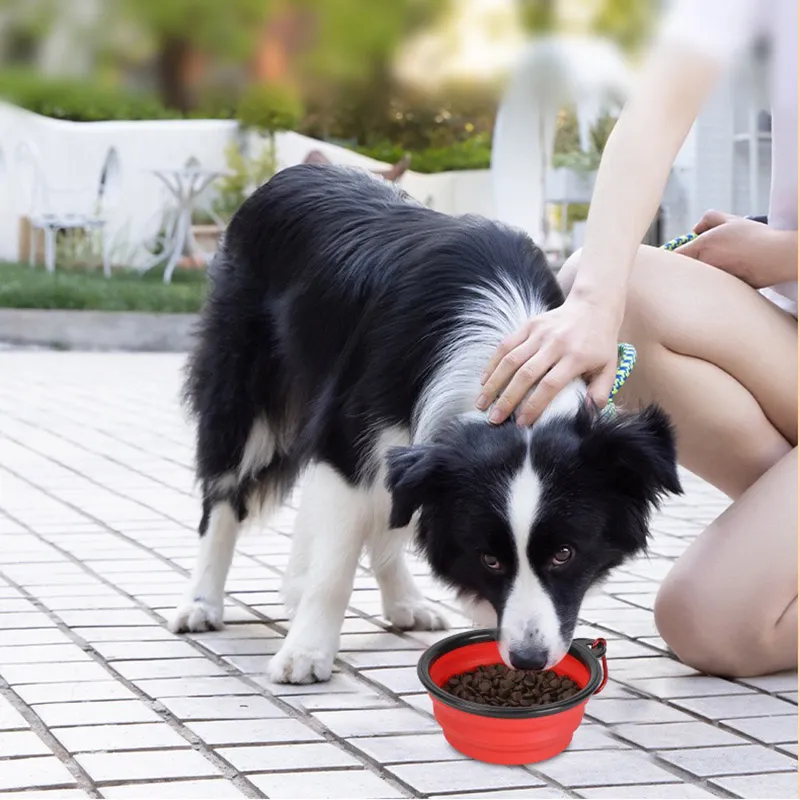
- 1Stop at the door. Keep a towel and a bowl of water right there, not upstairs.
- 2Paws first. Dip muddy or salty paws in lukewarm water, or wipe them. Spread the toes.
- 3Blot and squeeze. Press the towel into the coat and squeeze sections of fur, rather than rubbing, which tangles long coats.
- 4Belly, legs and armpits. These stay wet longest and get coldest.
- 5Between the toes. Damp fur between the pads leads to irritation and smell.
- 6Second towel if your dog is big or very wet.
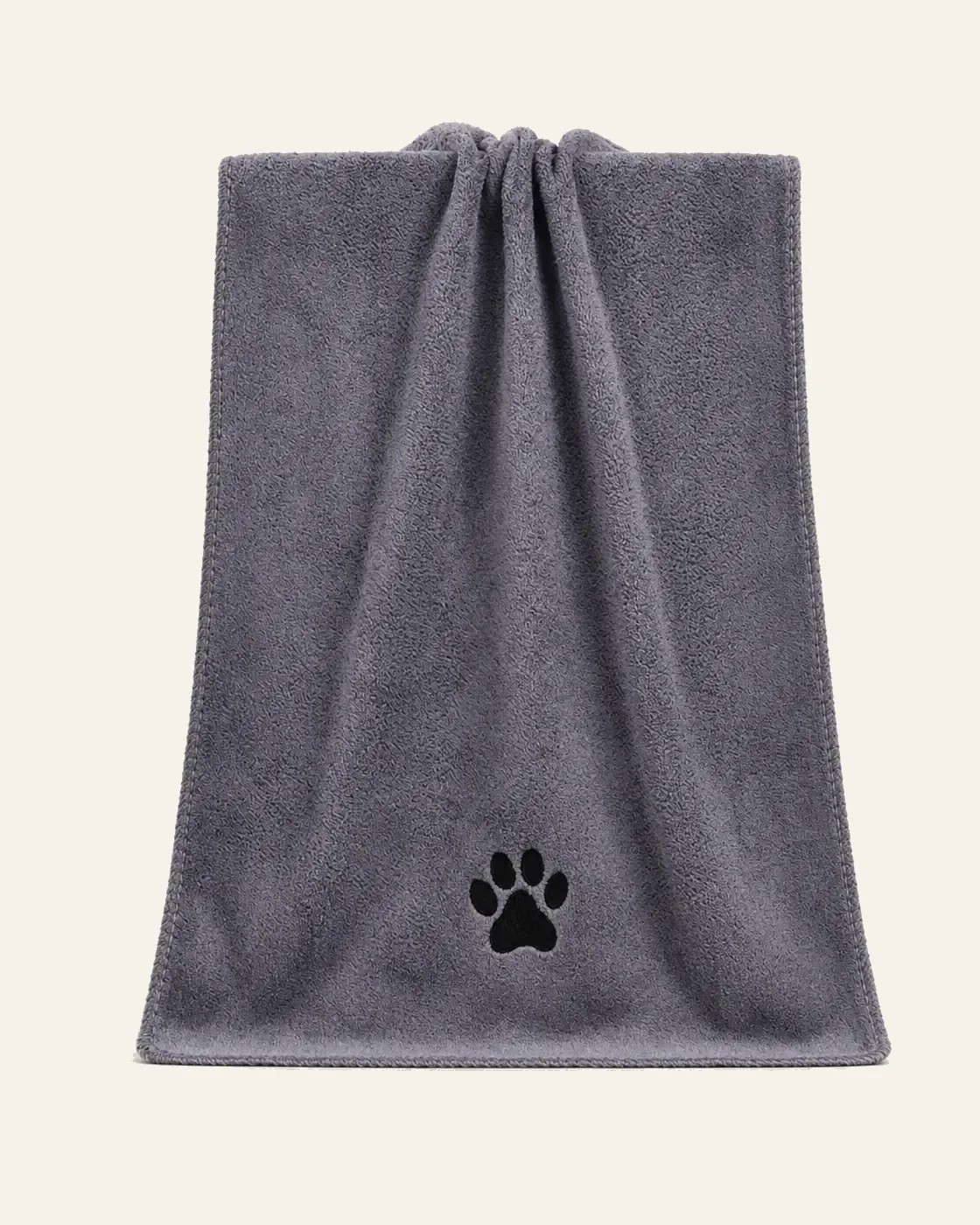
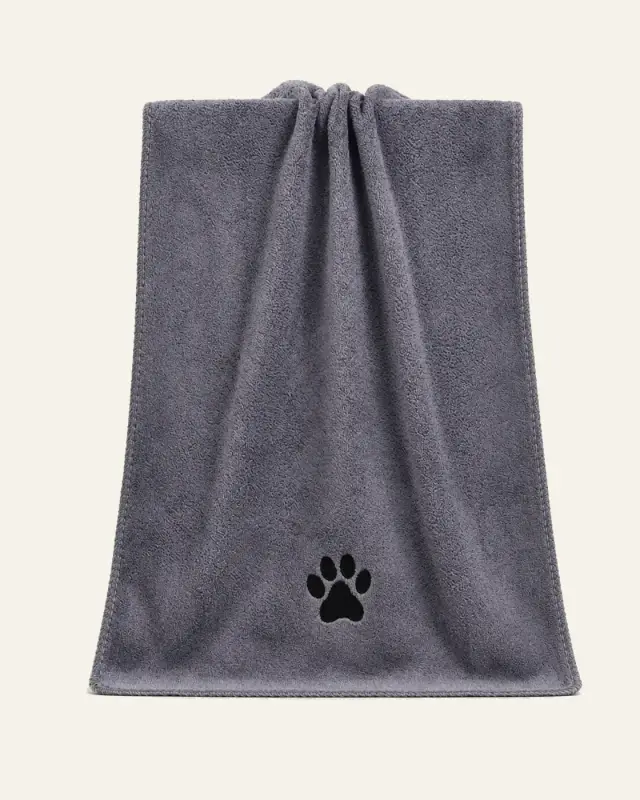 In our shopQuick-Dry Dog TowelThick microfibre that soaks up water fast. 35 × 75 cm, or 50 × 100 cm for big dogs.$26.00Shop
Hair dryer: yes, carefully
- Low heat, warm not hot, held at least a forearm's length away.
- Keep it moving, and check the skin temperature with your hand.
- Introduce it slowly: switch it on across the room, treat, and move closer over a few sessions.
- Never use high heat or leave a dog in a closed space with a dryer.
Keep the smell away between walks
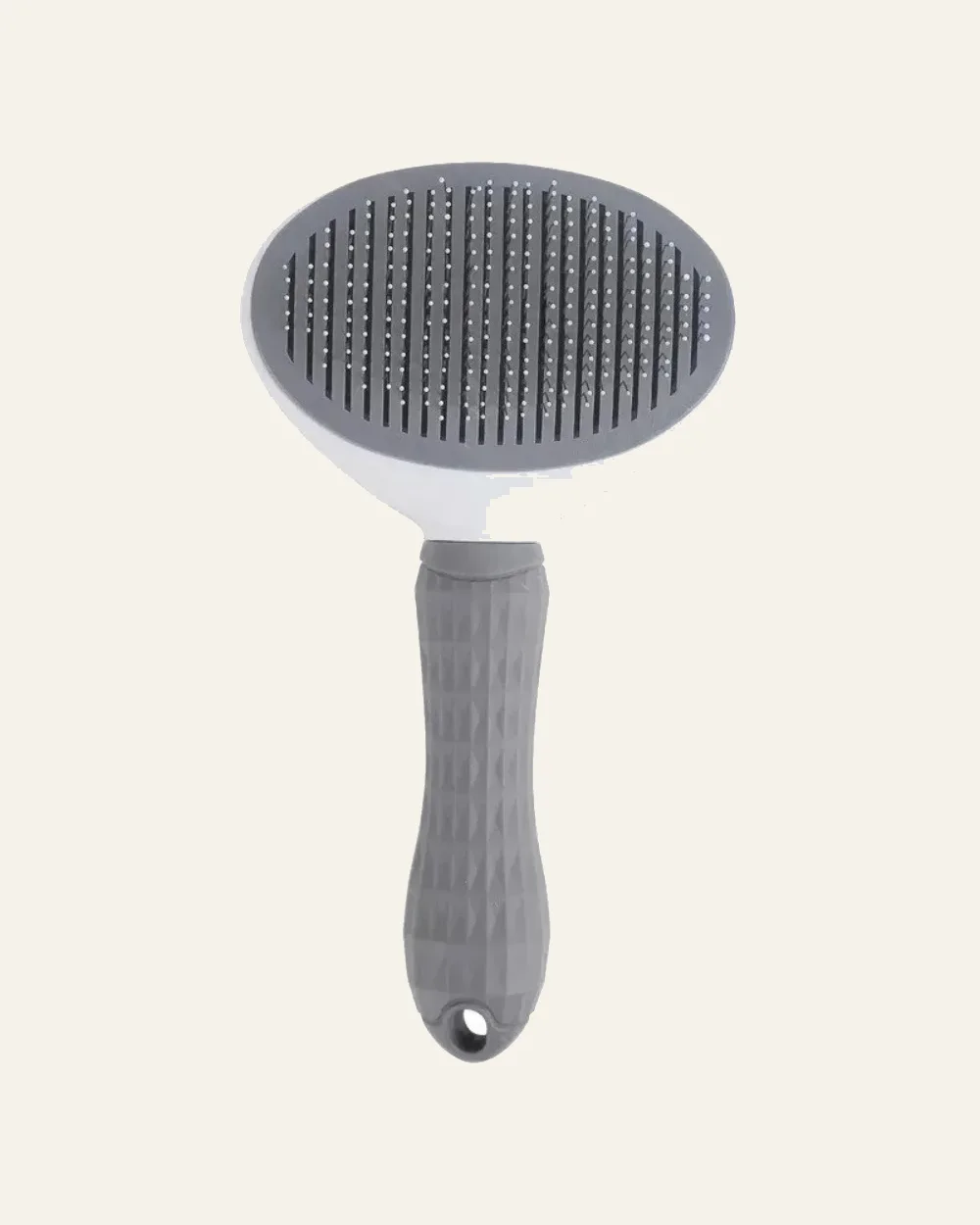
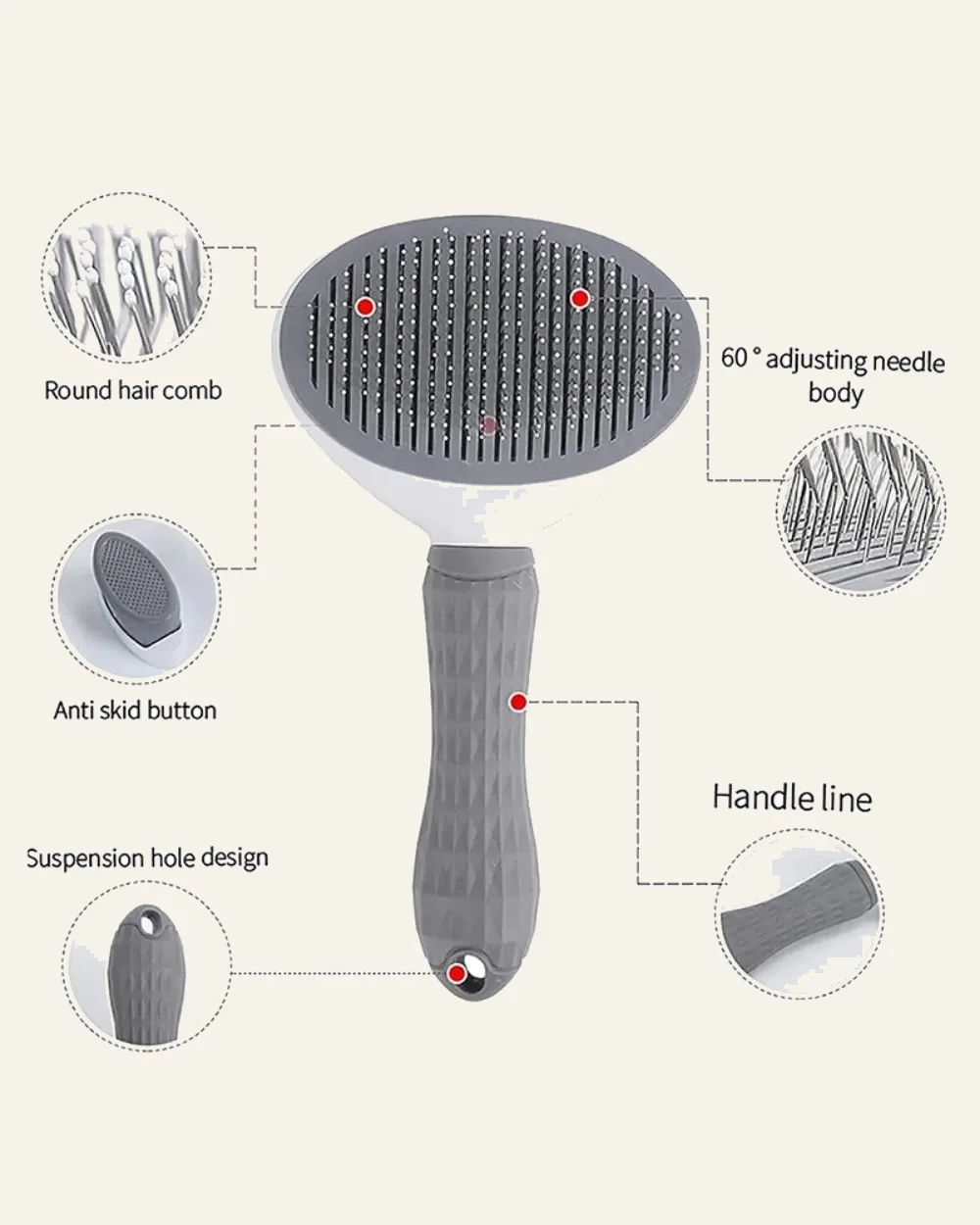
- Brush regularly. A well-brushed coat dries faster and traps less dirt. See our shedding and brushing guide.
- Wash bedding weekly. Beds soak up damp and smell.
- Bathe only as often as needed. Over-bathing dries out skin; most dogs are fine with a bath every month or two.
- Wash the towel often too.
Keep it for winter too
Questions people ask
Why do dogs smell when they're wet?
Can I use a hair dryer on my dog?
Why does my dog still smell after drying?
Sources we checked
Written by Northern Wag in Calgary and checked against the sources above. This is general information, not veterinary advice: if you're worried about your dog, call your vet.
Keep reading
All guides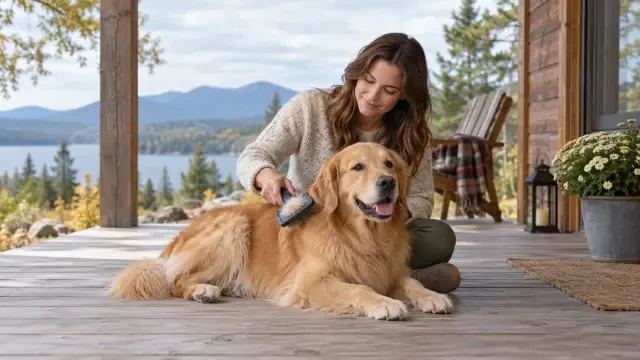
Grooming3 min read
How to reduce dog shedding: a brushing routine that actually works
Why dogs shed, why not to shave a double coat, and the brushing routine that catches loose fur before it hits your couch.
Winter4 min read
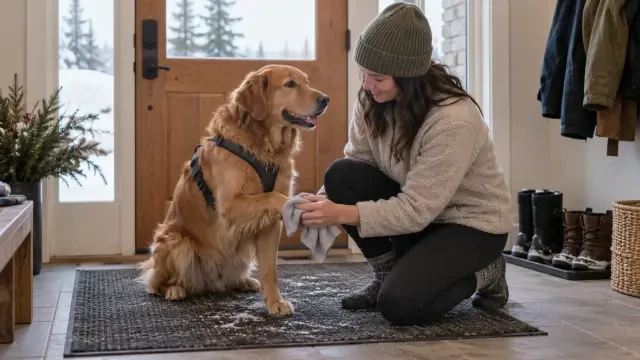
Road salt and your dog's paws: what it does and how to protect them
Why de-icing salt burns paw pads, why the licking matters as much as the walking, and a two-minute routine that fixes most of it.
Summer4 min read
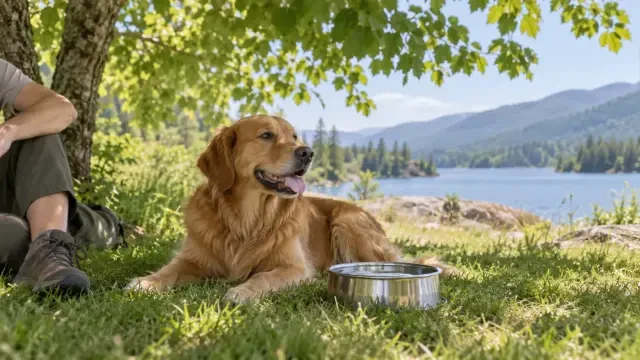
Heatstroke in dogs: the signs, what to do right now, and how to prevent it
Spot it early, cool first, then drive to the vet. Plus which dogs are most at risk and how to plan hot-day walks.