Grooming
How to reduce dog shedding: a brushing routine that actually works
Why dogs shed, why not to shave a double coat, and the brushing routine that catches loose fur before it hits your couch.
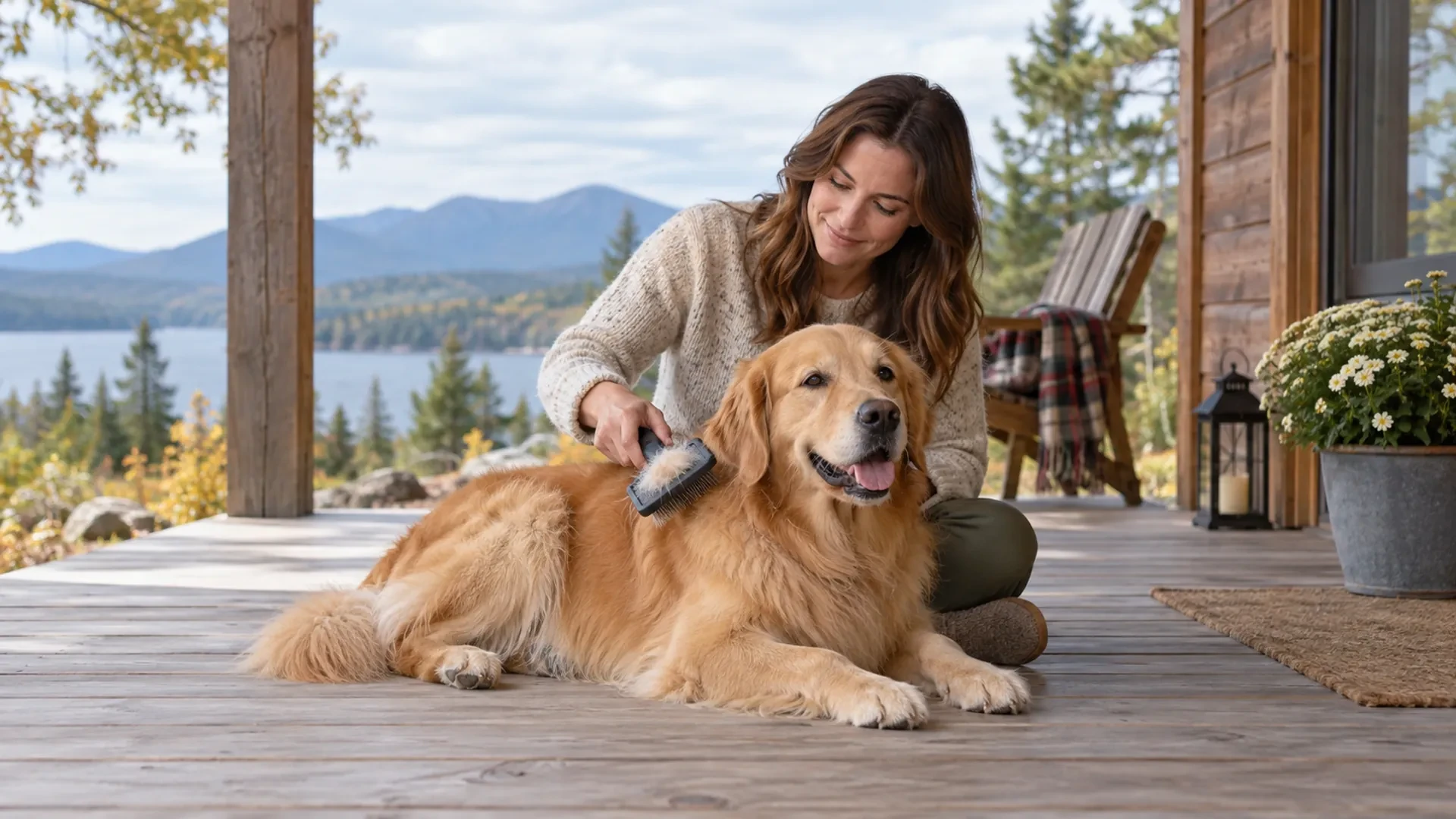
AI-generated illustration. Product photos on our product pages are real photos of what ships.
The short answer
- Shedding is normal. The goal is to remove loose fur with a brush before it lands on your floor.
- Brush 2 to 3 times a week, daily during heavy shedding seasons (spring and fall).
- Don't shave a double-coated dog: it disrupts temperature control and doesn't stop shedding.
- Diet, skin health and parasites affect shedding: sudden changes are worth a vet visit.
On this page (6 sections)
Why dogs shed
Don't shave a double coat
The brushing routine
- 1Brush 2 to 3 times a week, daily during spring and fall coat blows.
- 2Work in sections, from head to tail, in the direction the hair grows.
- 3Go down to the skin on double coats, gently. The loose undercoat lives near the skin.
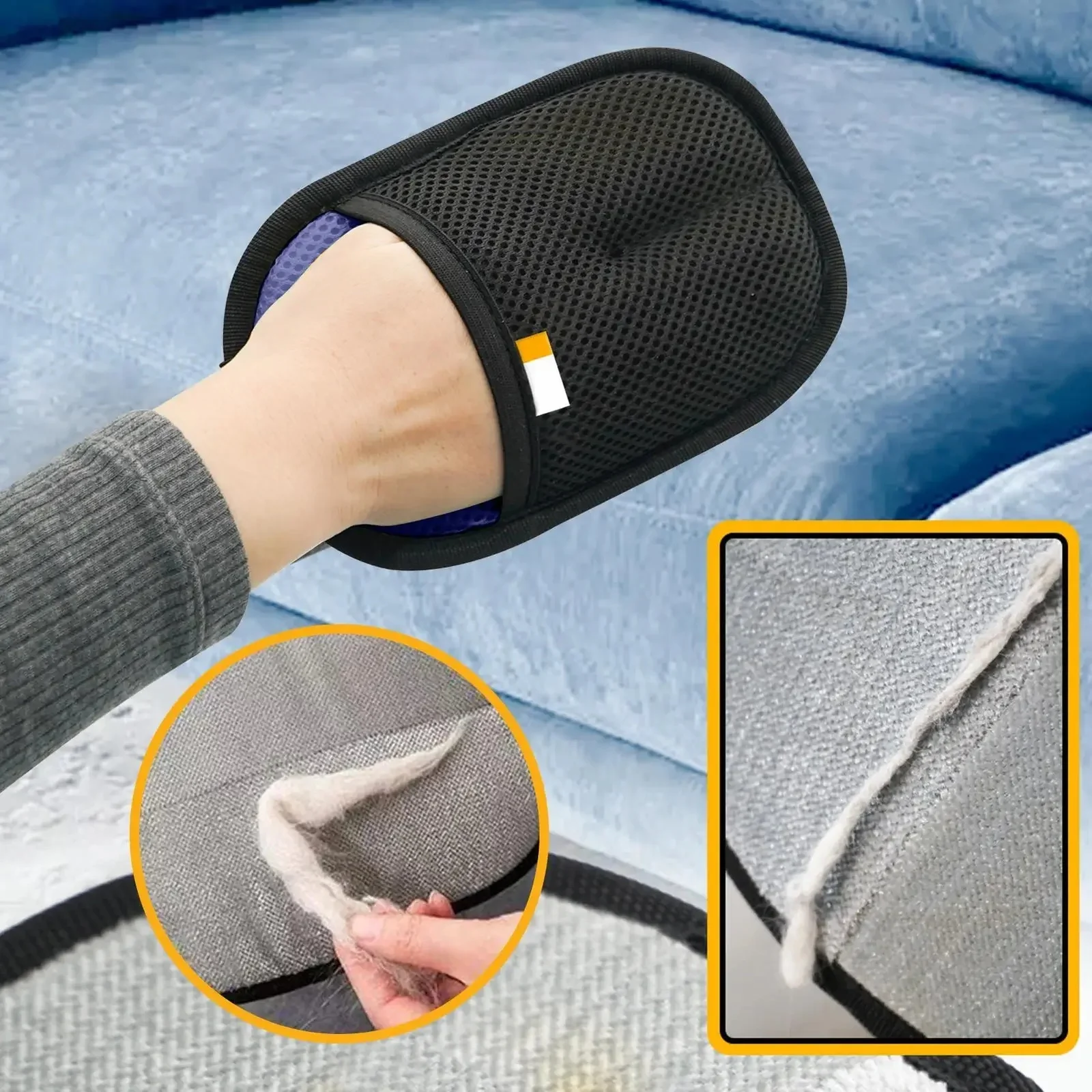
- 4Finish with a glove or quick pass to lift the last loose hairs.
- 5Short sessions win. Five calm minutes beats a 40-minute wrestling match.
Which tool for which coat
| Coat | Main tool | Also useful |
|---|---|---|
| Double coat (husky, shepherd, golden) | Slicker brush, plus an undercoat rake in shedding season | Grooming glove for finishing |
| Long, silky coat | Slicker brush and a comb for tangles | |
| Curly or wavy (doodles, poodles) | Slicker brush, then a comb to the skin to catch mats | Regular professional grooming |
| Short, smooth coat (lab, boxer) | Grooming glove or rubber brush | Slicker brush during heavy sheds |
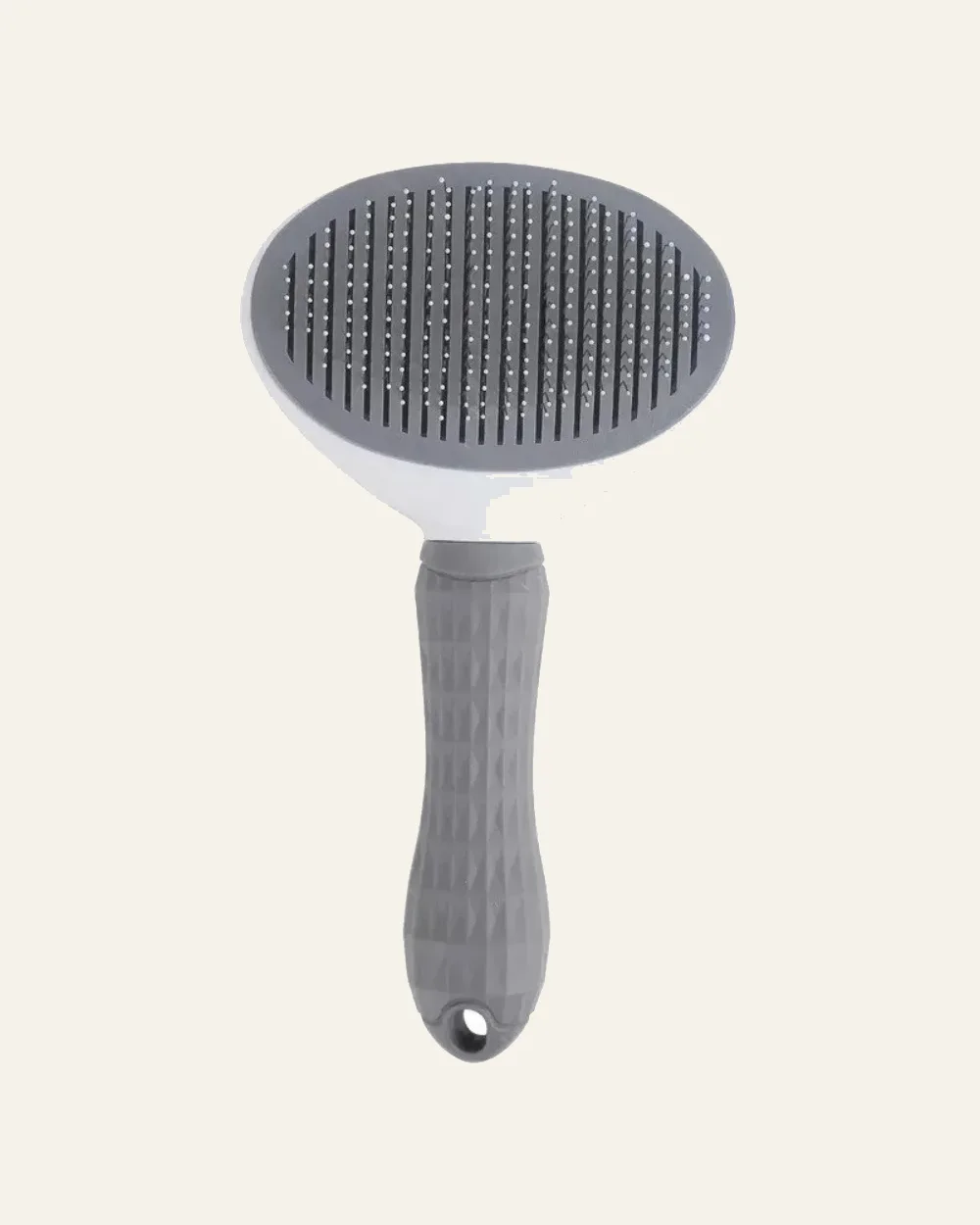
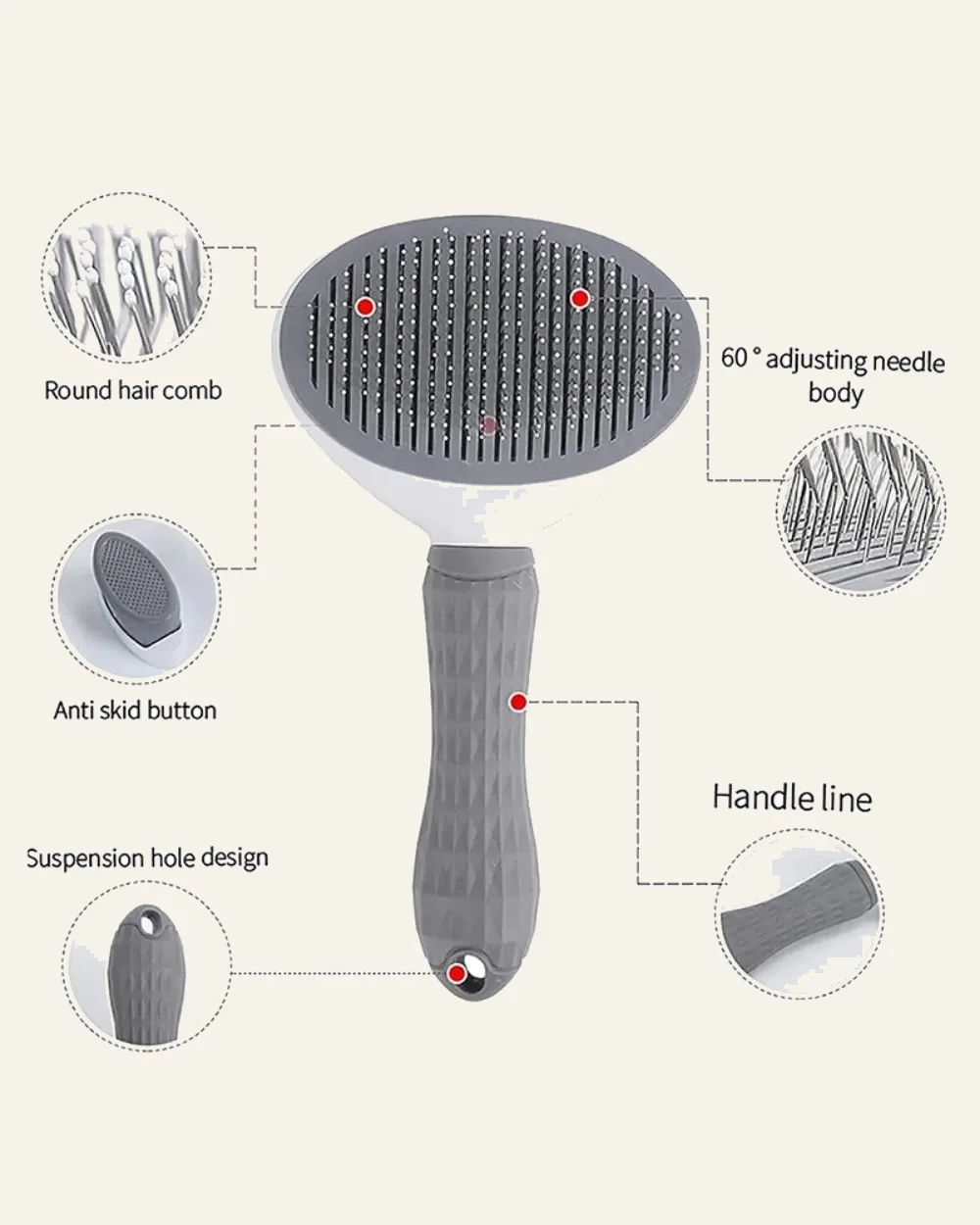
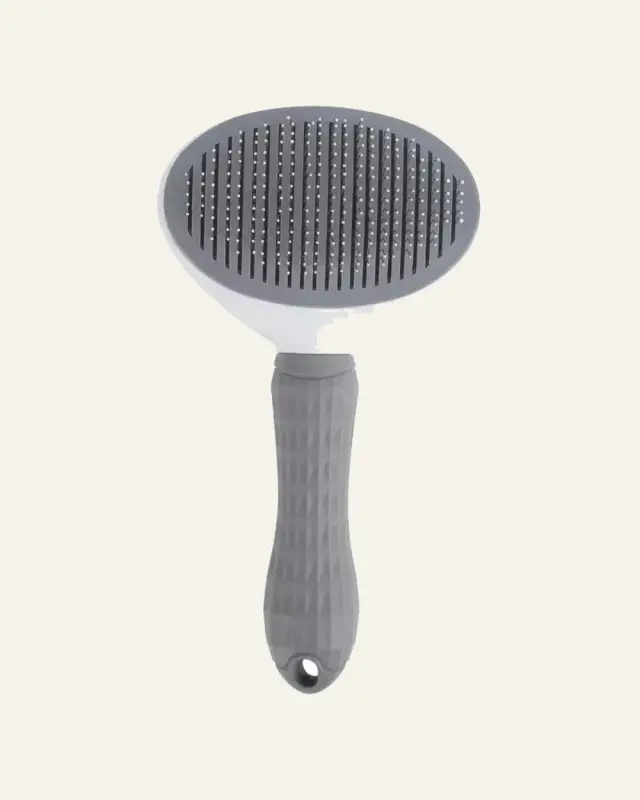 In our shopSelf-Cleaning Slicker BrushFine stainless pins lift loose undercoat; push the button and the fur drops off in one piece.$44.00Shop
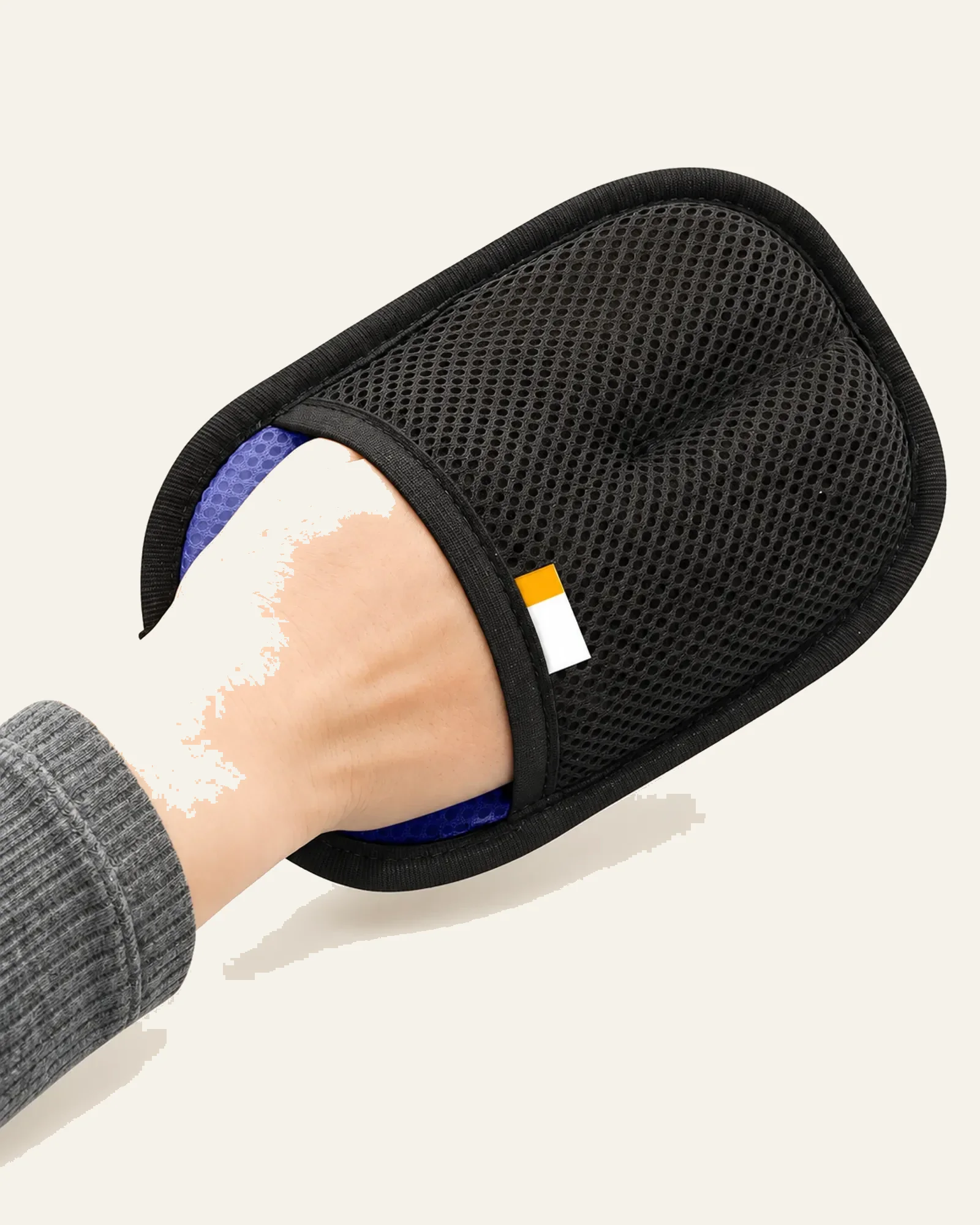
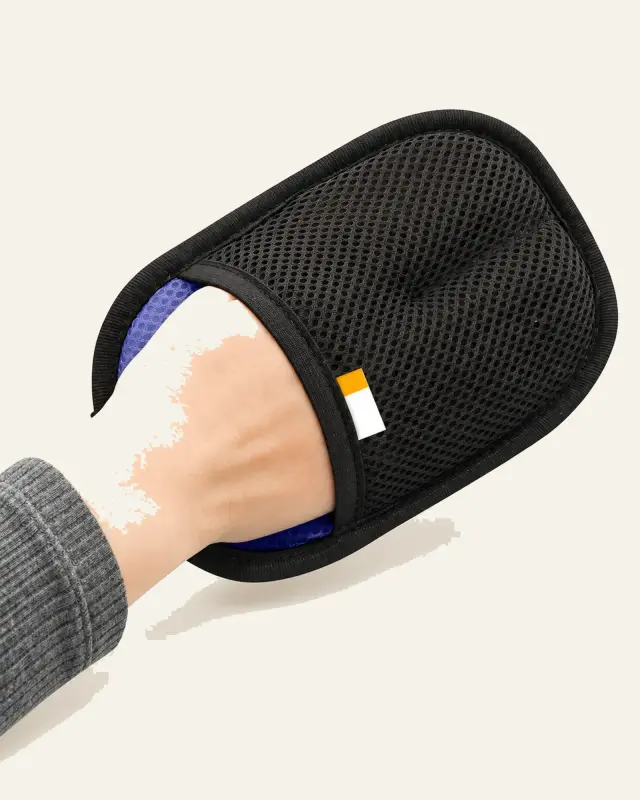 In our shopFur-Lift Grooming GloveGrooms while you pet, and lifts hair off furniture too.$26.00Shop
Things that affect shedding
- Diet. A complete, balanced food supports a healthy coat. Ask your vet before adding supplements.
- Skin health. Allergies and dry winter air can make skin itchy and flaky.
- Parasites. Fleas and mites cause hair loss and scratching.
- Stress and hormones can change shedding patterns.
A winter bonus
Questions people ask
Does shaving a dog stop shedding?
How often should I brush my dog?
When is shedding a health problem?
Sources we checked
Written by Northern Wag in Calgary and checked against the sources above. This is general information, not veterinary advice: if you're worried about your dog, call your vet.
Keep reading
All guides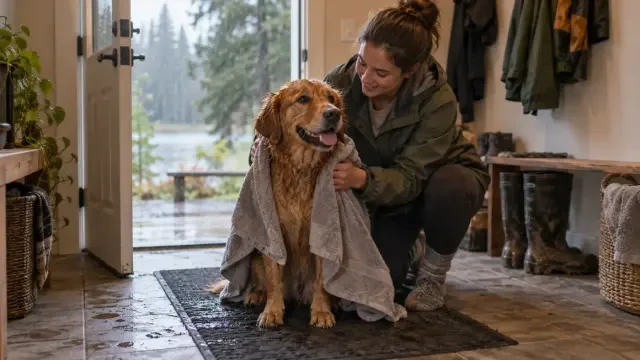
Grooming3 min read
How to dry a wet dog fast (and get rid of the wet-dog smell)
The doorway routine for rainy, snowy and muddy walks, what really causes wet-dog smell, and when a hair dryer is OK.
Home & enrichment3 min read
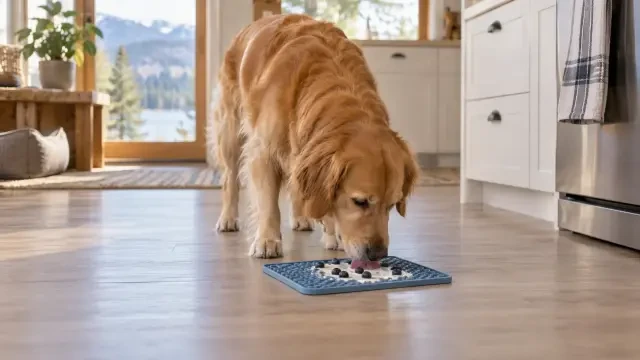
Lick mat ideas: 10 dog-safe fillings, freezing tips and what to avoid
Ten safe fillings, how to freeze them for longer sessions, using a lick mat for nail trims and baths, and what never to use.
Health & safety3 min read
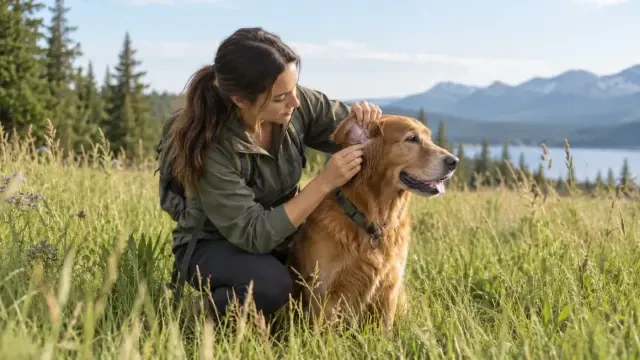
Ticks and Lyme disease in dogs in Canada: checks, removal and prevention
Ticks aren't just a summer problem. How to do a two-minute tick check, remove one safely, and what to ask your vet.