Health & safety
Do slow feeder bowls work? Gulping, bloat and what the research says
What studies say about eating speed and bloat, whether slow feeders really slow dogs down, and which dogs benefit most.
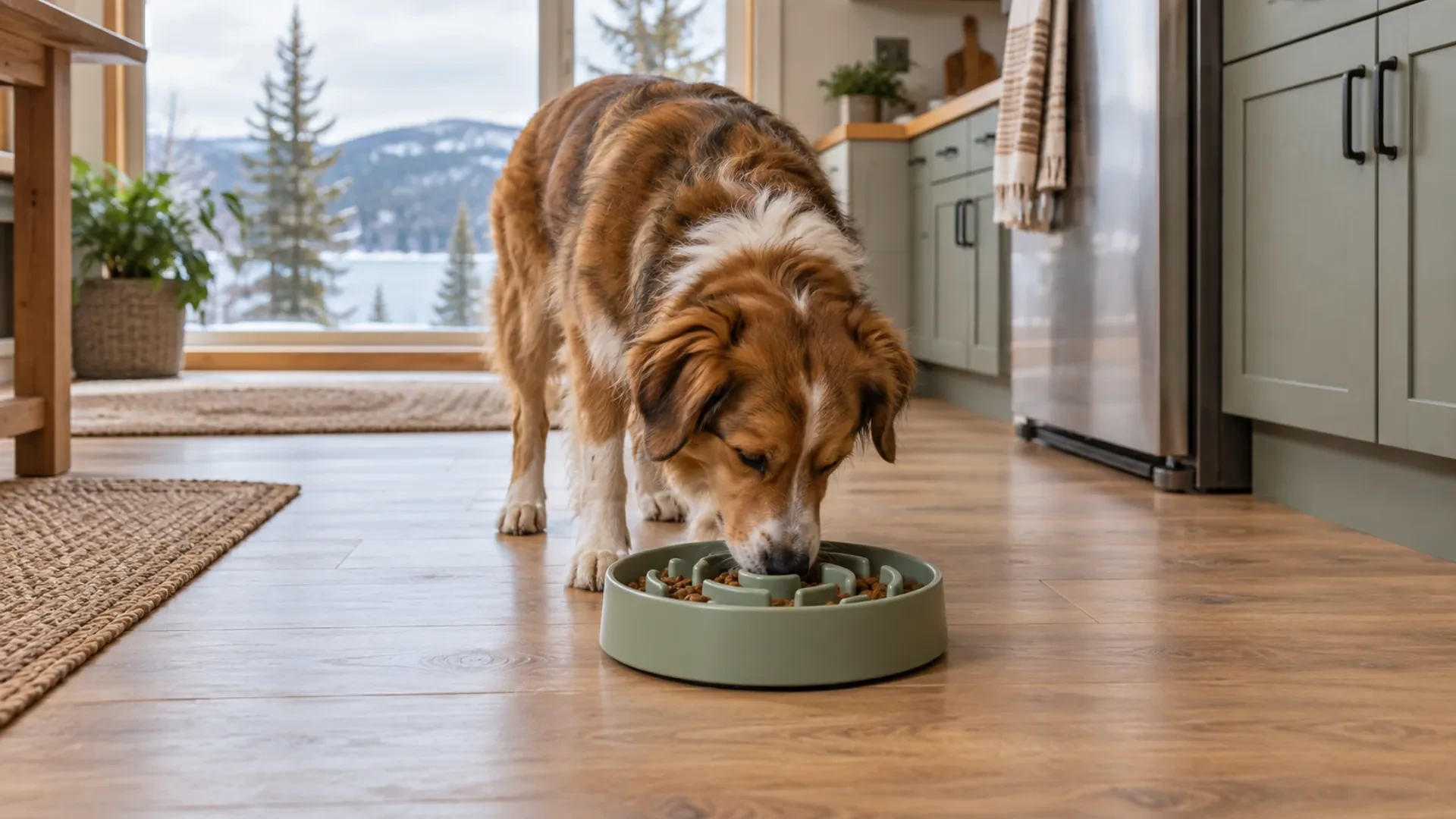
AI-generated illustration. Product photos on our product pages are real photos of what ships.
The short answer
- Studies link fast eating with a higher risk of bloat (GDV), a life-threatening emergency.
- Slow feeder bowls do slow most dogs down, though dogs get quicker with practice.
- No bowl can prevent bloat. Deep-chested breeds should know the warning signs.
- Slow feeders also turn mealtime into a short puzzle, which is good enrichment.
On this page (5 sections)
Why fast eating matters
- Faster eating speed
- Increasing age
- A close relative (parent or sibling) with a history of GDV
- Raised feeding bowls
- Deep, narrow chests (Great Danes, standard poodles, Weimaraners, setters, German shepherds and others)
Do slow feeders actually work?
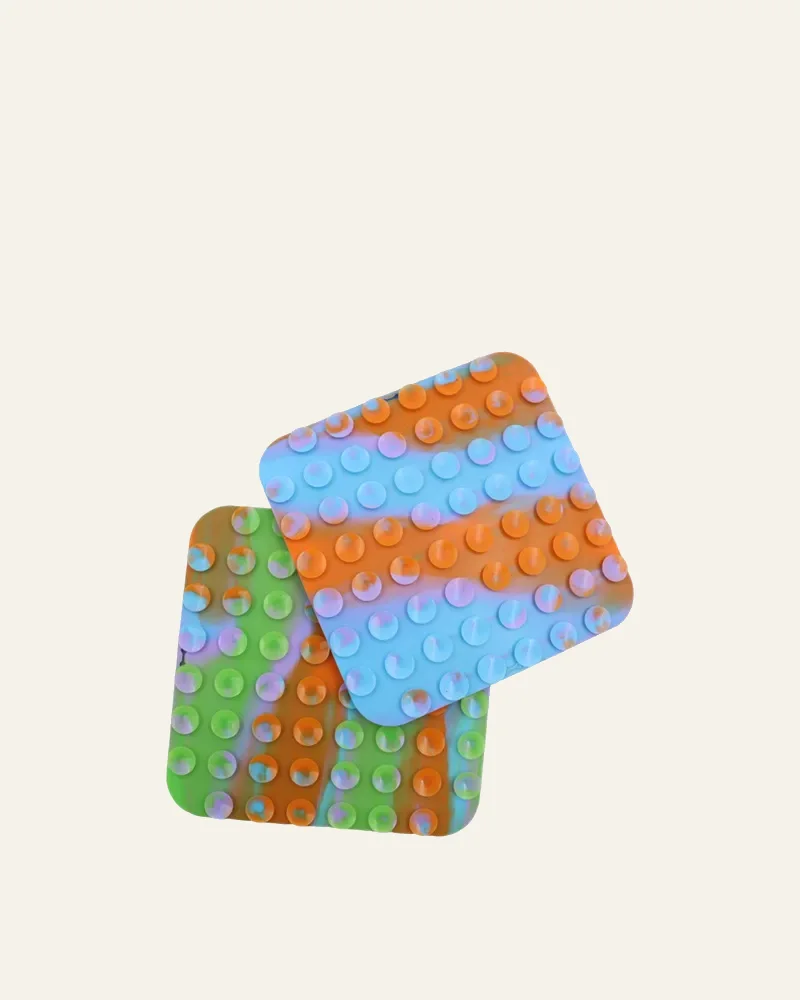
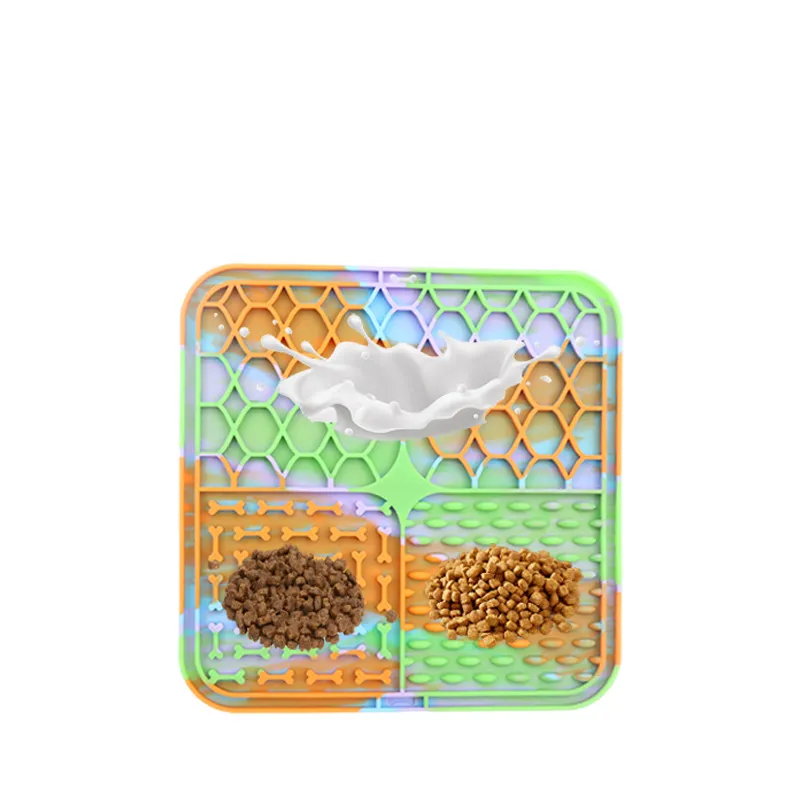
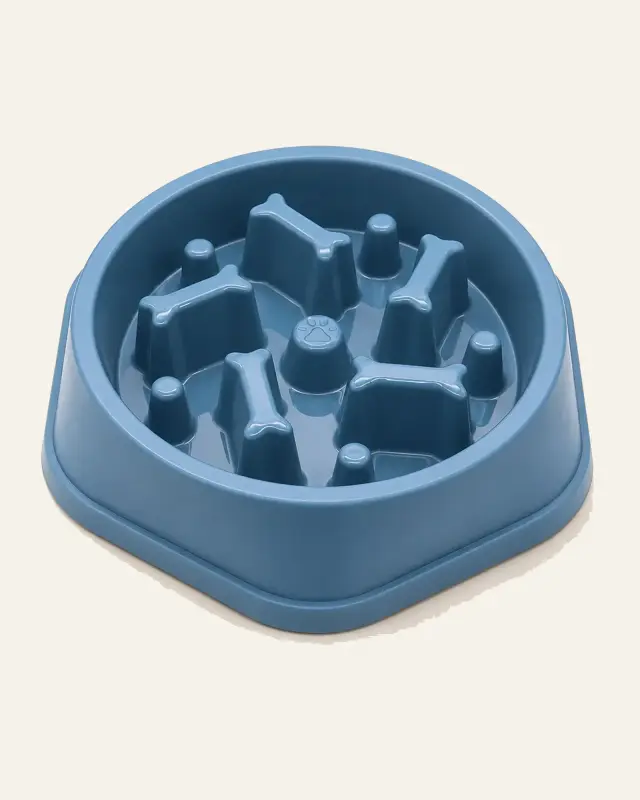 In our shopSlow Feeder BowlRaised ridges slow fast eaters, with a non-slip base. Two sizes: 19.5 cm and 22.5 cm across.$26.00Shop
Other benefits
- Less vomiting and choking in dogs that gulp.
- Mealtime becomes a puzzle, a small daily dose of enrichment.
- Better portion satisfaction for dogs on a diet, because the meal lasts longer.
Choosing the right slow feeder
| Look for | Why |
|---|---|
| Ridge spacing that suits the kibble size | Too tight frustrates; too loose doesn't slow them down |
| Non-slip base | Stops the bowl sliding across the floor |
| Easy to clean | Food gets stuck in ridges; dishwasher-friendly is ideal |
| Right size for the portion | The meal should sit in the ridges, not heaped over them |
| Floor level | Raised bowls have been linked with higher GDV risk |
Introducing it
- 1Start with a meal your dog loves, and a few treats sitting on top.
- 2Stay nearby and praise early success.
- 3If your dog gets frustrated, try a smaller portion or bigger kibble at first.
- 4Wash after every meal.
Questions people ask
Do slow feeders prevent bloat?
What are the signs of bloat in dogs?
Are raised bowls better?
Sources we checked
- Veterinary Evidence: How effective are go-slow feeding bowls?
- Chewy Education: Slow feeder dog bowls (vet-reviewed)
Written by Northern Wag in Calgary and checked against the sources above. This is general information, not veterinary advice: if you're worried about your dog, call your vet.
Keep reading
All guides
Health & safety3 min read
Walking your dog in the dark: how to be seen from a block away
From November most walks happen in the dark. How reflective gear and lights work, and a simple setup that makes you both visible.

Health & safety3 min read
Frostbite and hypothermia in dogs: the signs and what to do
How to recognise frostbite and each stage of hypothermia, safe first steps while you call the vet, and what not to do.

Home & enrichment3 min read
12 indoor games for dogs on cold days (that actually tire them out)
When walks are short, these sniffing, licking, chewing and training games burn energy indoors. Most need nothing but treats.